






Japan Faces Mass Oyster Deaths as Warmer Seas Raise Alarms
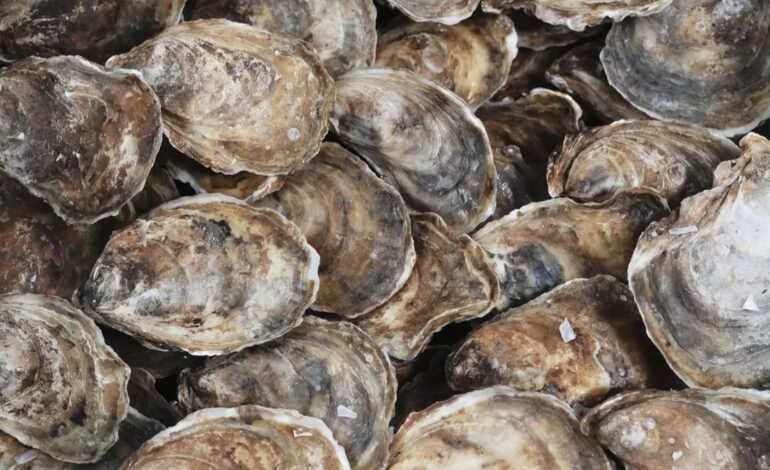

TOKYO — Japan’s crucial oyster industry is confronting a devastating loss as mass die-offs hit farms in the country’s most productive coastal region, with experts pointing to unusually warm sea temperatures as a likely cause.
In parts of the Seto Inland Sea in western Japan—which supplies more than three-quarters of the nation’s farmed oysters—up to 90 percent of cultivated oysters have perished. The mortality rate in the central-eastern area of Hiroshima Prefecture alone reached between 60 and 90 percent, far above the typical 30–50 percent.
“I’ve never experienced this in my whole career,” said Tatsuya Morio, an oyster farmer with over two decades of experience. Even oysters bred to tolerate warmer conditions have been affected, he added.
Data from Hiroshima shows that average coastal water temperatures from July to October this year were 1.5 to 1.9°C higher than the 1991–2020 average. According to local official Shoichi Yokouchi, prolonged higher temperatures weaken oysters, making them more vulnerable to viruses and bacterial infections.
Shinichiro Toi, an official specializing in marine product research, noted that limited rainfall in July also increased salt concentration in the water, further stressing the oysters.
The crisis has left surviving oysters undersized and hard to sell. “They are about half the size of the average,” said Daiki Takeuchi, a 33-year-old oyster farmer in Hyogo Prefecture. “It’s difficult to sell them, to be honest.”
While oyster farms along the Sanriku coast in northern Japan—accounting for about 17 percent of national production—remain unaffected for now, the widespread losses in the west underscore a growing threat to marine livelihoods amid accelerating ocean warming.
Global sea surface temperatures have reached record highs in recent years, a trend climate scientists link directly to human-induced climate change. Japan’s oyster industry, which exports to markets including Hong Kong, Taiwan, Singapore, Vietnam, and Thailand, now faces urgent questions about adaptation and long-term sustainability.
Also Read:
May Saw a Two-Year High for Saudi Arabia’s Non-Oil Exports of $7.70 Billion, According to GASTAT.