


Why Israel Responded with Strikes After Hezbollah’s Rocket Attack

JERUSALEM/BEIRUT — For nearly two years, the border between Israel and Lebanon has held an uneasy quiet. A US-brokered ceasefire in 2024 ended the deadliest round of fighting between Israel and Hezbollah in decades, leaving the Iranian-backed group significantly weakened but still standing. Both sides traded accusations of violations, but the rockets stayed silent.
That changed Monday.
When Hezbollah launched its first barrage of missiles and drones into Israeli territory, it broke more than the quiet. It signaled that the conflict spiraling across the Middle East has now officially opened a second front.
The Attack
The Israeli military reported multiple projectiles crossing from Lebanese territory. Air defenses intercepted at least one launch. Others landed in open areas. No injuries were reported. No significant damage was done.
But the message was not about damage. It was about intent.
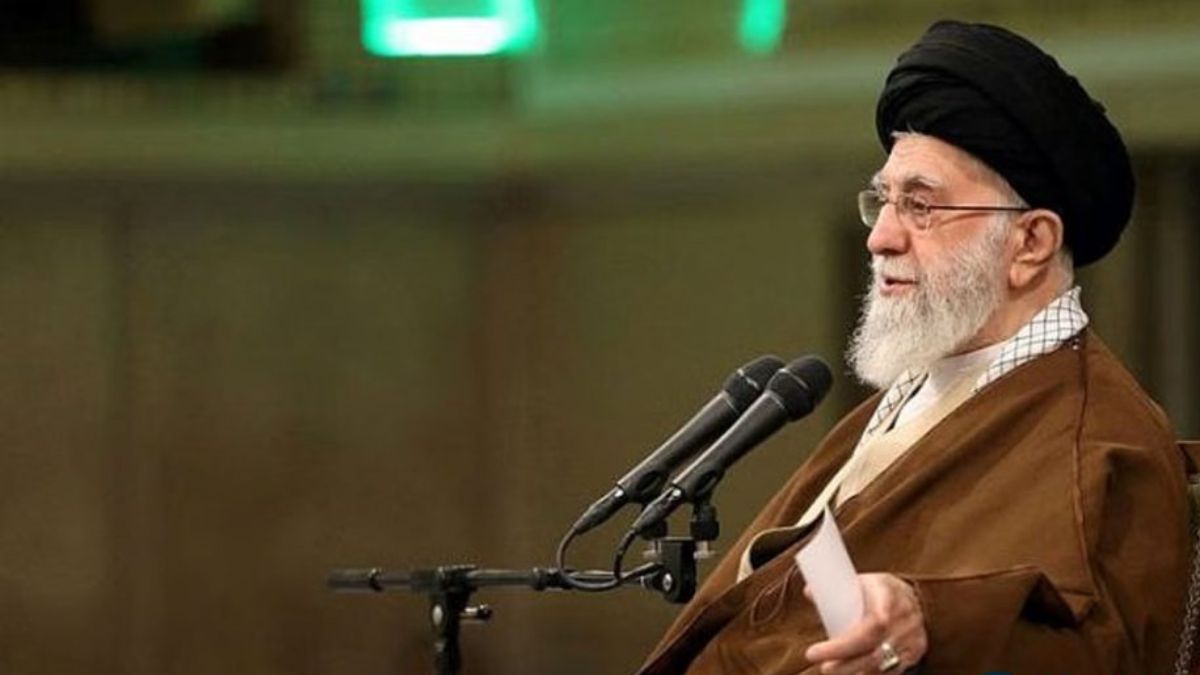
Hezbollah’s statement made that clear. The group claimed responsibility for “a barrage of missiles and a swarm of drones” launched “in retaliation for the pure blood of… Ayatollah Imam Sayyid Ali Al-Husseini Khamenei… and in defense of Lebanon and its people, and in response to the repeated Israeli attacks.”
The reference to the slain Iranian Supreme Leader is significant. Until Monday, Hezbollah had expressed only “solidarity” with Tehran following the strikes that killed Khamenei and dozens of senior Iranian figures. Now, that solidarity has turned into action.
Why Now?
The decision to open fire appears driven by several factors.
First, the group faces pressure to respond. As Iran’s most powerful proxy, Hezbollah cannot stand idle while the Islamic Republic’s leadership is decimated. Its credibility within the “axis of resistance” depends on showing that attacks on Tehran will be met with consequences beyond its borders.
Second, the group cited “repeated Israeli attacks” as justification. Since the 2024 ceasefire, both sides have accused each other of violations. Israel has continued airstrikes against Hezbollah targets in Syria and occasionally in Lebanon. For Hezbollah, the accumulation of these strikes created a rationale for response.
Third, timing matters. With US and Israeli forces focused on Iran, Hezbollah may see an opportunity to act while attention is divided. The group’s leadership has always emphasized the right to choose “the appropriate time and place” for retaliation. Monday was that time.
Israel’s Response
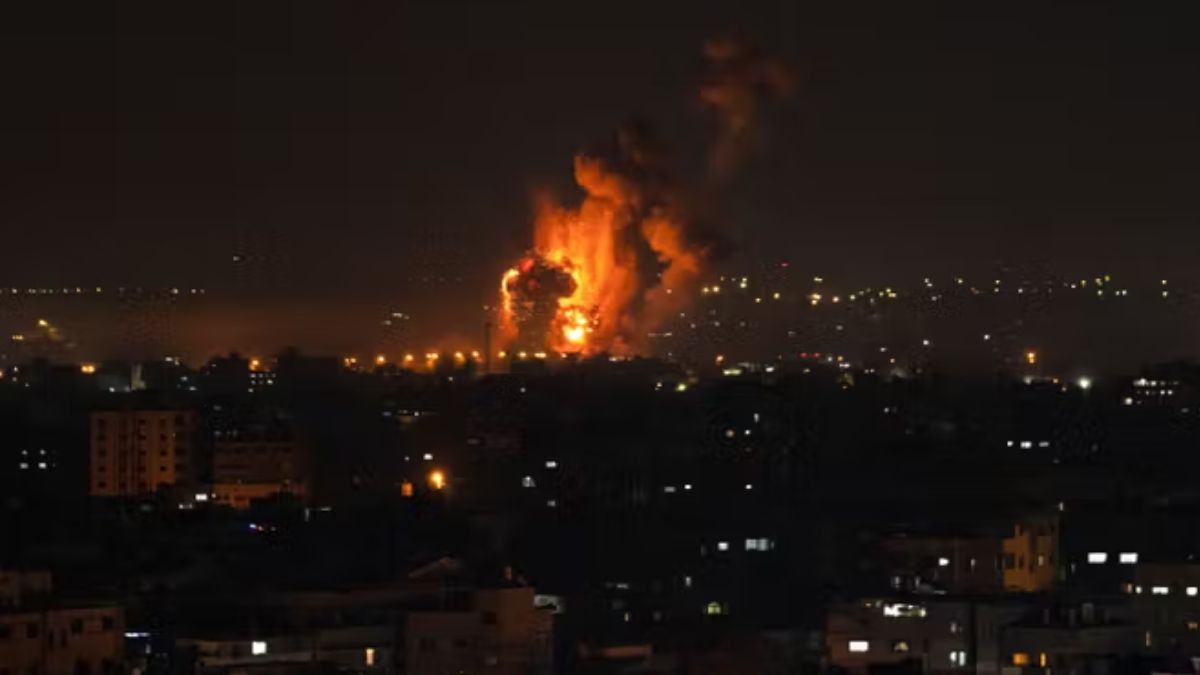
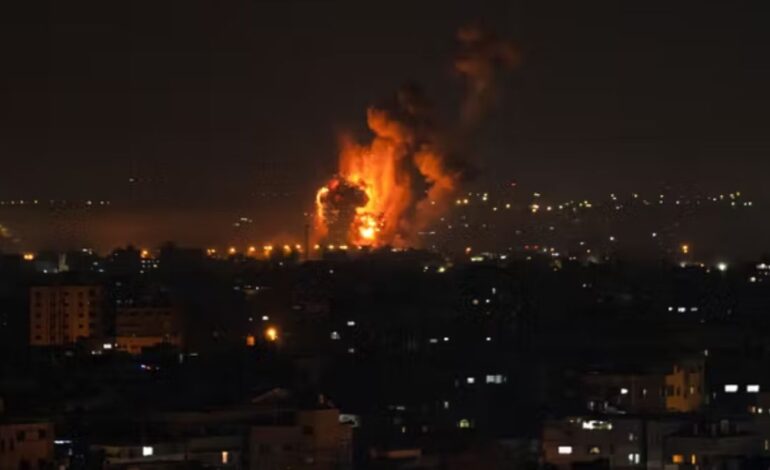
The Israeli military did not hesitate. Waves of airstrikes hit Hezbollah positions across Lebanon, with explosions rocking the southern suburbs of Beirut—the group’s longtime stronghold.
The IDF’s statement was clear: “The IDF will operate against Hezbollah’s decision to join the campaign, and will not enable the organization to constitute a threat to the State of Israel.”
Before the strikes, Israel issued an unusual public warning. Lt. Col. Ella Wawey urged Lebanese residents to evacuate areas near more than 50 villages in southern Lebanon, staying at least one kilometer away from potential targets. The warning suggested an extensive bombing campaign aimed at Hezbollah infrastructure embedded in civilian areas.
Lebanon’s Dilemma
For Lebanon, the escalation is a nightmare.
Prime Minister Nawaf Salam condemned the rocket fire, calling it “an irresponsible and suspicious act that endangers Lebanon’s security and safety and gives Israel pretexts to continue its attacks.”
His statement carefully avoided assigning blame to any specific group, saying only “regardless of who is behind it.” But the message was clear: Lebanon does not want this fight.
The country is still reeling from the 2024 war, which devastated parts of Beirut and the south. Its economy remains in shambles. Its political system is paralyzed. The last thing Lebanon needs is another Israeli bombing campaign.
Yet Hezbollah operates independently of the Lebanese state. It makes its own decisions about war and peace. And those decisions now threaten to drag the entire country back into conflict.
The 2024 Ceasefire Unravels
The US-brokered ceasefire that ended the 2024 war was always fragile. It required Hezbollah to withdraw north of the Litani River and Israel to halt strikes on Lebanese territory. Neither side fully complied. Accusations of violations flew back and forth.
On Saturday, Lebanon’s presidency said the US ambassador had assured them that Israel would not escalate as long as no hostile acts came from Lebanon. That assurance now means nothing.
With rockets fired and airstrikes falling, the ceasefire is effectively dead. The question is whether this remains a limited exchange or expands into a full-scale war.
What Comes Next
Hezbollah’s decision to join the fight fundamentally changes the regional equation. Until Monday, the conflict was between Israel and Iran, with Gulf states caught in the middle. Now, Israel faces a hostile force on its northern border with tens of thousands of rockets and battle-hardened fighters.
The group remains weakened from 2024. Its command structure took losses. Its weapons stockpiles were depleted. But it is far from destroyed, and it retains the capacity to inflict significant damage on Israeli cities.
For Israel, the calculation is equally difficult. Fighting a two-front war—against Iran directly and Hezbollah on its border—stretches military resources and complicates strategic planning. The strikes on Lebanon Monday suggest Israel is determined to hit back hard and fast, hoping to deter further escalation.
For now, the northern front is active. Schools in Beirut opened their doors to families fleeing the southern suburbs and border villages. The sound of explosions filled the air in places that had known nearly two years of relative calm.
Also Read:
Trump’s Cuba Statement Sparks Debate After High-Level Talks in Havana
Blood Red Moon on Tuesday: A Total Lunar Eclipse to Light Up the Night Sky