



Israel’s Death Penalty Law Explained: Mustafa Barghouti’s Strong Reaction
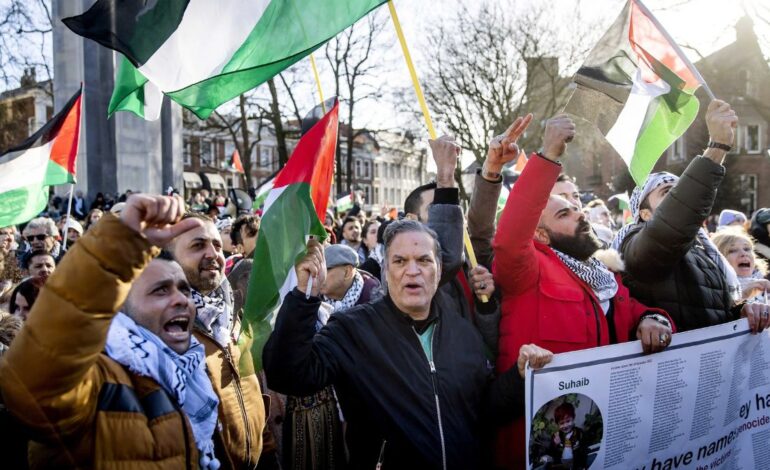

Palestinian National Initiative Secretary-General Mustafa Barghouti has issued a stark warning about Israel’s recently adopted death penalty law for Palestinians, characterizing it as marking a fundamental shift in Israeli policy and society.
A Historic Turn
Barghouti described the law as “a turning point of historic gravity,” arguing it represents far more than a simple legal addition to Israel’s judicial system. “This law is not merely an additional legal instrument in Israel’s arsenal, but the expression of a profound political shift that openly authorizes the elimination of Palestinians,” he told Arab News en français.
The Palestinian political leader went further, claiming that the law reflects “a fascist drift in Israel,” warning that this evolution extends beyond individual politicians or legislation.
Broad Parliamentary Support
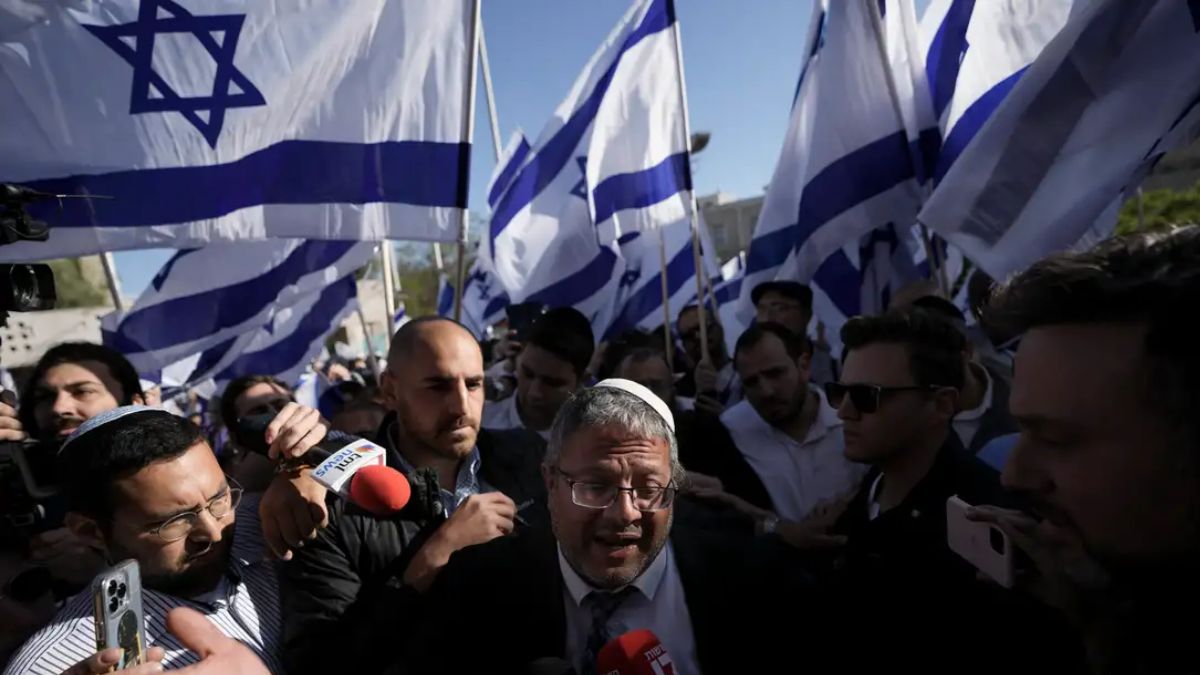
What particularly concerns Barghouti is the extensive backing the law received in the Knesset. Nearly two-thirds of members voted in favor, including opposition figures such as Avigdor Lieberman. This consensus, he argues, reveals a deeper transformation within Israeli society rather than an isolated extremist initiative.
Deepening Apartheid
According to Barghouti, the law establishes a fundamentally discriminatory justice system. While Palestinians accused of killing Israelis could face death sentences, he noted that when Israelis kill Palestinians, “impunity is often the rule.”
He characterized the legislation as “a license to kill Palestinians” and a legitimization of extrajudicial executions already occurring on the ground. He estimates between 1,000 and 2,000 Palestinians in Gaza have already been victims of such executions.
The Impact on Prisoners
Approximately 10,000 Palestinians are currently held in Israeli prisons, including 300 children and 75 women. Many are detained without charge or trial under administrative detention provisions. Since October 7, Barghouti reported that 90 Palestinian prisoners have died in detention, with the total since 1967 reaching 322.
All Palestinian prisoners are now at risk, he warned, as the law could allow authorities to reopen previously tried cases.
The Broader Context
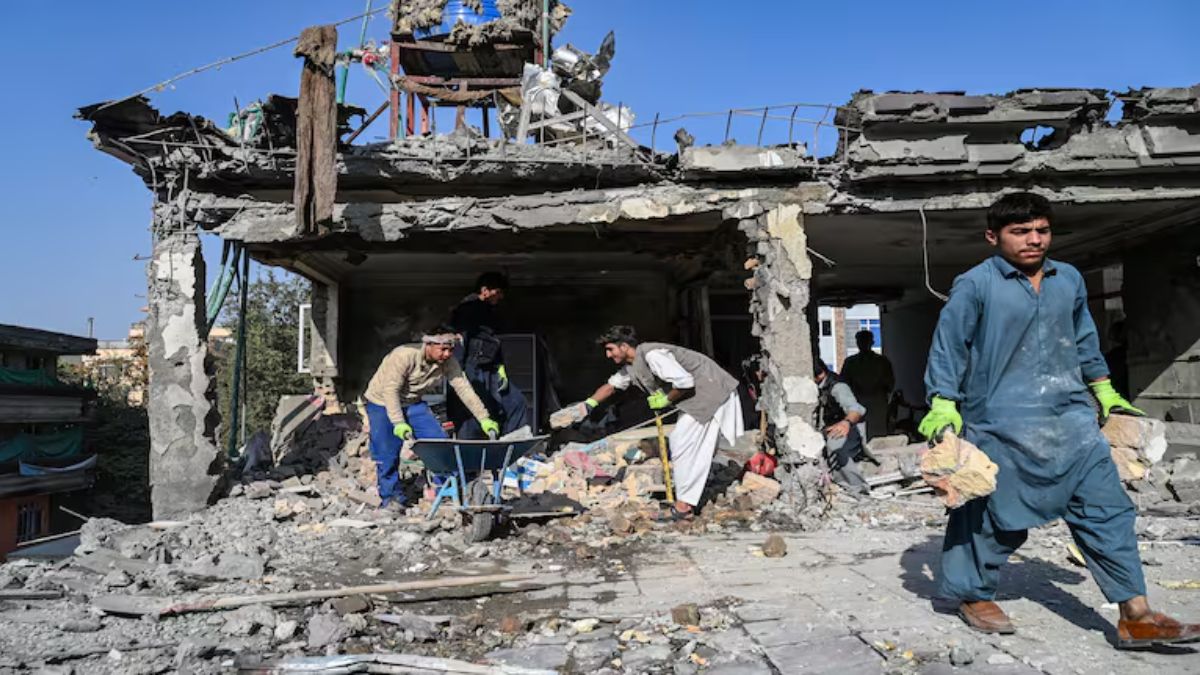
Barghouti emphasized that the death penalty law is one manifestation of escalating pressure on Palestinians. In Gaza, he reported that despite a ceasefire agreement, daily bombardments continue and humanitarian aid deliveries fall far short of agreed levels. In the West Bank, he cited ongoing military raids, settler attacks, and the expulsion of 71 Palestinian communities from their lands.
International Response Needed
Facing what he views as a systemic transformation in Israeli society, Barghouti dismissed hopes for internal change. He called for concrete international action, arguing that statements and condemnations are insufficient.
“Israel will not be deterred by speeches,” he stated, calling instead for international sanctions and a global boycott of Israel as the only meaningful deterrents.
Also Read:
Iran-Israel Tensions Rise After Gulf Ship Attack: Full Breakdown
US-Iran Conflict Escalates as Trump Issues 48-Hour ‘Hell’ Warning