


Mideast Stocks in Focus: How Iran Tensions Are Impacting Gulf Markets


RIYADH – Most Gulf stock markets slipped on March 29, as fears of a broader Iran-linked conflict weighed on investor sentiment following fresh escalations in the region. Yemen’s Houthis launched their first attacks on Israel since the conflict began, and the United States deployed additional forces to the Middle East, adding to uncertainty across financial markets.
The Washington Post reported on Saturday that U.S. officials said the Pentagon was making preparations for a potential multi-week ground operation in Iran, though it remained uncertain whether President Donald Trump would authorize the deployment of ground forces. The report added to jitters among investors already navigating a volatile geopolitical landscape.
Saudi Market Shows Relative Strength
Saudi Arabia’s Tadawul All Share Index demonstrated notable resilience amid the regional turmoil, declining only marginally by 0.13 percent, or 13.93 points, to close at 11,076.40.
The benchmark index saw total trading turnover of SR3.70 billion ($986 million), with 150 listed stocks advancing while 107 declined. The Kingdom’s parallel market, Nomu, edged up 0.14 percent to close at 22,751. The MSCI Tadawul Index declined by 0.46 percent to 1,489.07.
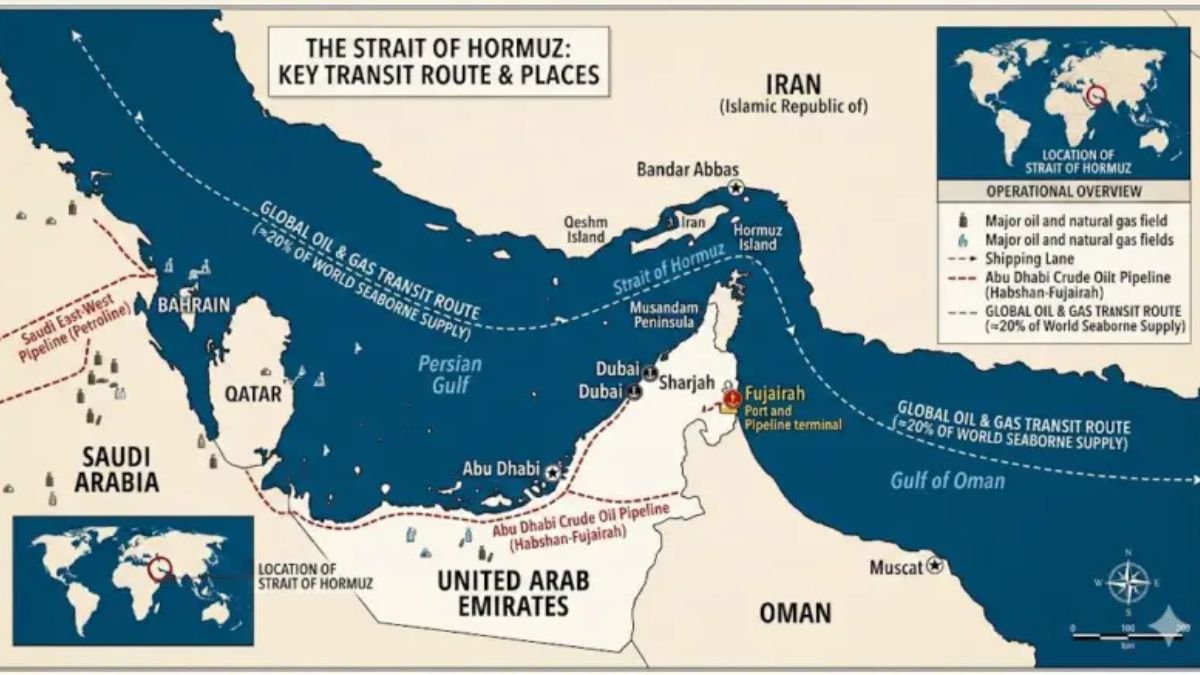
Analysts noted that Saudi Arabia’s relative stability compared to regional peers reflects investor confidence in the Kingdom’s economic fundamentals and its strategic infrastructure, which provides some insulation from the Strait of Hormuz disruptions.
Pipeline Operating at Full Capacity
Saudi Arabia’s East-West pipeline, which bypasses the Strait of Hormuz, is currently pumping oil at full capacity of 7 million barrels per day, Bloomberg News reported on Saturday, citing a person familiar with the matter. The pipeline allows the Kingdom to export crude from terminals on the Red Sea, circumventing the strait that has been effectively shut since hostilities began on February 28.
The ability to reroute exports through this alternative channel has helped stabilize Saudi oil shipments and reassured markets that the Kingdom can maintain its export capacity despite the closure of the Strait of Hormuz.
Corporate Announcements
On the announcements front, Saudi Steel Pipe Co. said it signed a deal valued at SR127 million with Saudi Aramco to supply oil and gas pipes. In a Tadawul statement, the company said the contract, which has a duration of 12 months, will have an impact on its financials in the first half of 2027. SSP added that no related parties are involved in the deal. The company’s share price edged up 2.78 percent to SR42.18.
Arabian Centres Co., known as Cenomi Centers, reported a net profit of SR1.26 billion in 2025, representing a 4.11 percent increase compared to the previous year. In a Tadawul statement, the company attributed the rise in net profit to a decrease in cost of revenue and an increase in operating income, driven by the full and final settlement of an insurance claim, as well as gains from the sale of Al Kharj land and Sahara Plaza. The share price of Cenomi Centers rose 0.87 percent to SR17.45.
Top Performers and Decliners
The best-performing stock on the main market was Saleh Abdulaziz Al Rashed and Sons Co., with its share price increasing by 9.99 percent to SR61.10. Bawan Co. also rose by 7.57 percent to SR50.90, while Anaam International Holding Group saw its stock price climb by 6.35 percent to SR10.89.
On the losing side, Alkhaleej Training and Education Co. declined by 4.52 percent to SR16.69.
Regional Markets Mixed
Across the Gulf, performance varied. The Qatari index declined by 0.98 percent, while the Bahrain bourse and Boursa Kuwait dropped by 0.09 percent and 0.72 percent, respectively. Oman’s Muscat Stock Exchange edged up by 0.77 percent. UAE equities were closed on Sunday due to an official holiday.
Oil Prices Reflect Geopolitical Premium
Brent crude futures rose by $4.56, or 4.2 percent, to $112.57 a barrel on Friday, reflecting skepticism over prospects for a ceasefire in the month-old Iran war. The closure of the Strait of Hormuz continues to place upward pressure on energy prices, with analysts warning that any further escalation could push prices higher.
Outlook
Market observers note that Gulf bourses are likely to remain sensitive to geopolitical developments in the coming weeks. While Saudi Arabia’s ability to bypass the Strait of Hormuz through its East-West pipeline provides some buffer, broader regional instability continues to weigh on investor confidence. The prospect of U.S. ground operations in Iran, should they materialize, would represent a significant escalation with potentially far-reaching implications for regional markets.
For now, the Gulf’s financial centers remain in a holding pattern, watching the diplomatic and military developments closely while corporate fundamentals and oil revenues provide a foundation for relative stability.
Also Read:
7 Powerful Ways to Reignite Passion and Energy in Your Business
Turn Your Cold Emails into High-Quality B2B Sales Conversations