



Iran President Apologizes to Neighboring Countries After Regional Attacks
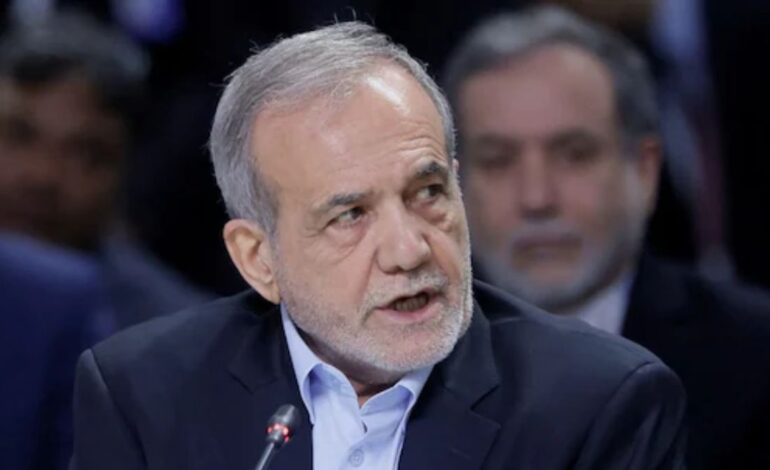

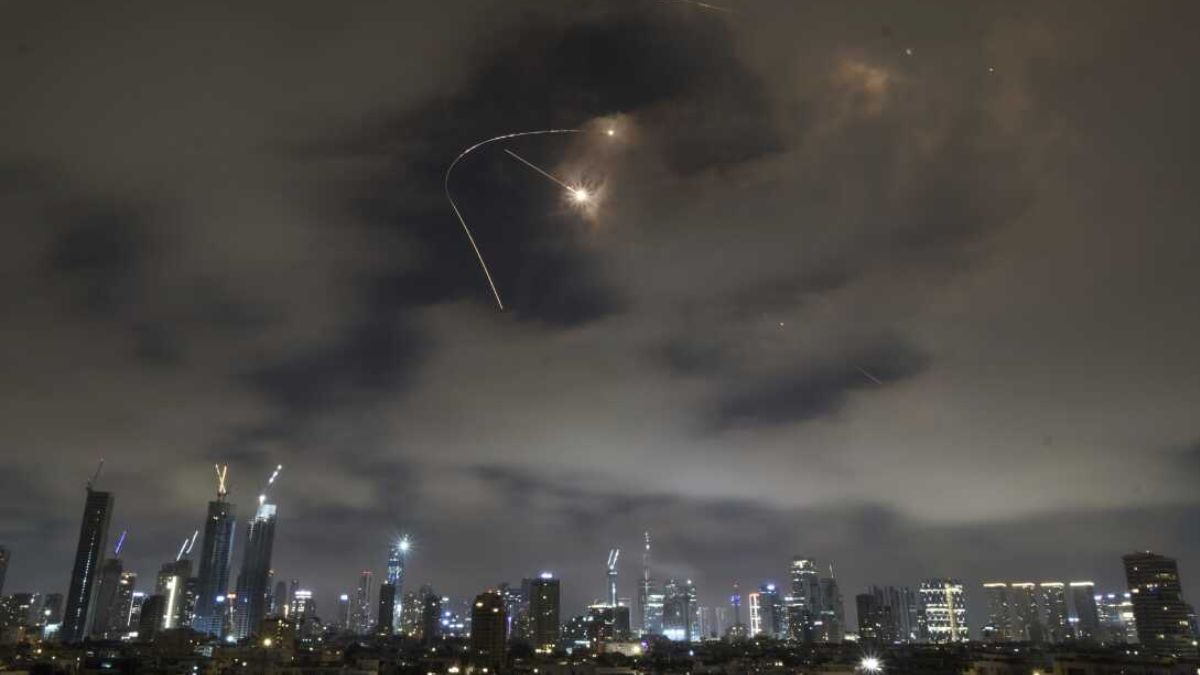
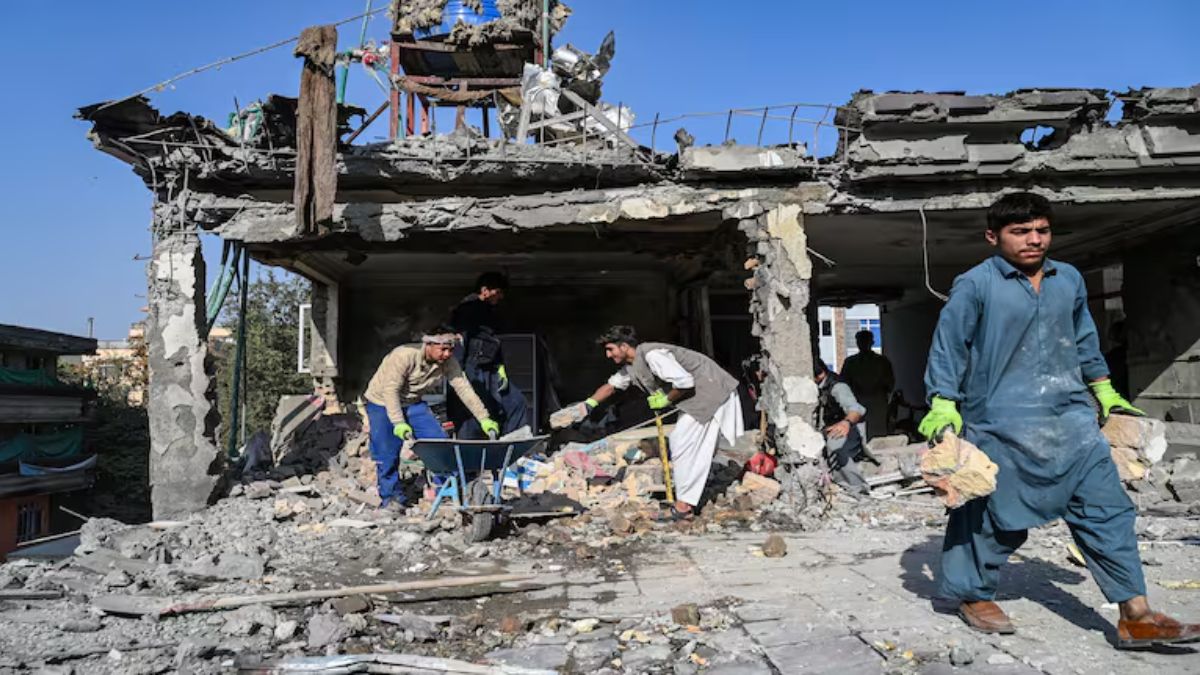
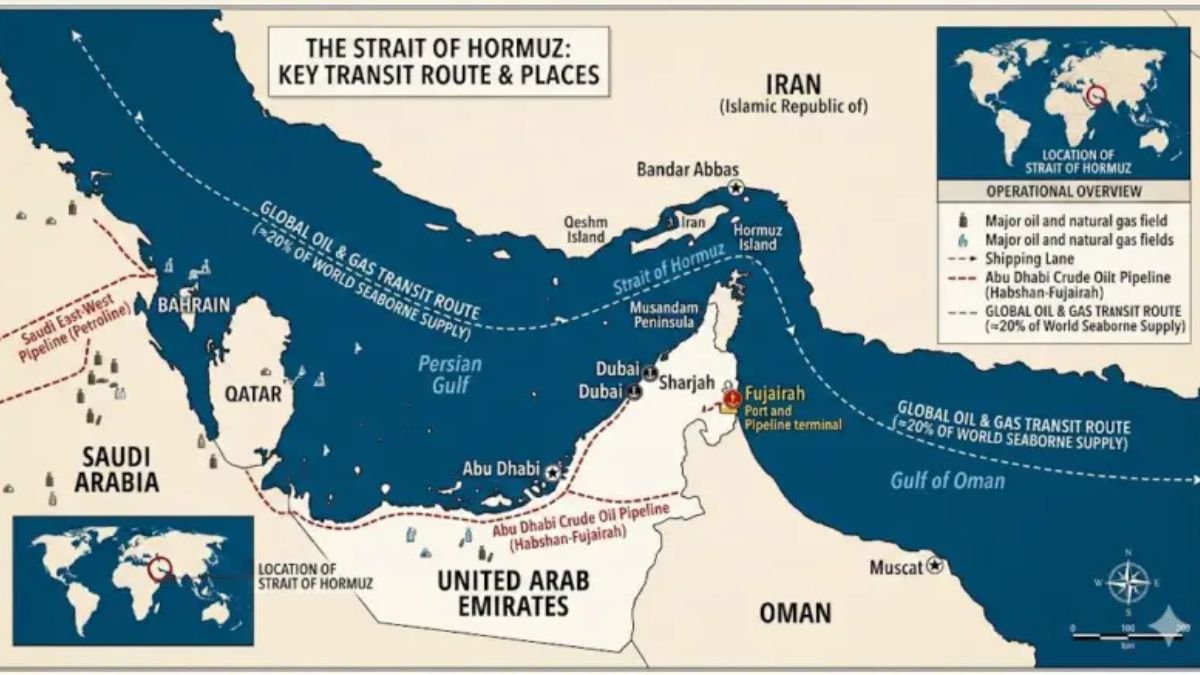
In a prerecorded address broadcast across Iranian state television, President Masoud Pezeshkian offered something the region rarely hears: an apology from a nation usually defined by defiance. He apologized to Bahrain, Saudi Arabia, and the United Arab Emirates for the attacks that had rained down upon them just hours earlier. It was a moment that seemed to signal a shift in Iranian policy, a recognition of regional harm, perhaps even the beginning of de-escalation.
But in the world of Middle Eastern diplomacy, apologies are rarely simple. They come with conditions. They come with caveats. And this one, carefully examined, reveals less about a fundamental change in Iranian policy and more about the impossible position Iran finds itself in after a week of escalating military confrontation.
The Words of Regret, the Language of Power
Pezeshkian’s statement deserves to be quoted fully because the precise wording matters: “I must apologize on my own behalf and on behalf of Iran to the neighboring countries that were attacked by Iran.”
This is an unusual utterance from any leader, let alone the head of a nation that typically frames its military actions in terms of justified response and righteous resistance. The use of “I must” is particularly telling—it suggests obligation rather than choice, a concession wrung from circumstance rather than offered freely.
Yet even as the apology was being delivered, its limits became apparent. The statement was prerecorded, not delivered in a public forum where questions could be asked and follow-up answers demanded. It was released through state television, controlling the narrative and the context. It was carefully timed, released after the attacks had already occurred, after the damage was done, after any deterrent value had passed.
This is apology as political maneuver rather than apology as moral reckoning.
The Miscommunication Excuse
Perhaps most revealing was Pezeshkian’s explanation for why the attacks occurred in the first place. He suggested they resulted from miscommunication within Iran’s military and governmental ranks. This framing deserves scrutiny.
Significant, coordinated military operations do not typically occur because of miscommunication. They require planning. They require authorization. They require the movement of equipment, the positioning of personnel, the targeting of coordinates. The idea that multiple drones and missiles launched toward three different nations happened because of internal confusion strains credibility.
What this explanation actually suggests is that Pezeshkian is attempting to create distance between himself—and by extension, official Iranian policy—and the military actions that occurred. If the attacks were unauthorized, if they resulted from miscommunication, then they do not represent true Iranian intent. This allows the government to condemn the actions while maintaining that Iran itself is not fundamentally at fault.
It is convenient framing, but it is also deeply problematic. It suggests that nobody is truly accountable. The military claims they were following orders. The civilian government claims it was all a misunderstanding. The victims of the attacks are left with an apology that assigns responsibility to no one and commits to nothing.
The Condition That Makes Everything Conditional
The most important word in Pezeshkian’s entire statement comes near its end: “unless.”
He announced that Iran’s temporary leadership council had approved a suspension of attacks against neighboring countries—”unless an attack on Iran comes from those countries.”
This is the crux of the matter. This is not a ceasefire. This is not even a genuine suspension of hostilities. This is a threat on pause. It is conflict held in abeyance, maintained in potential rather than actualized in present action.
The language is diplomatically crafted to sound like restraint. In reality, it is maximally flexible aggression. It preserves Iran’s right to attack while appearing to accept limits. It allows any incident—real or interpreted—to justify renewed aggression. A drone malfunction attributed to foreign interference. A cyberattack blamed on neighboring involvement. An accident characterized as an attack. Any of these could provide the justification to resume strikes.
For Saudi Arabia, the UAE, and Bahrain, this “suspension” offers no real security. They are granted temporary respite, not guaranteed safety. The sword remains suspended above their heads, held back only by a condition they do not fully control and cannot guarantee.
The Divide Between Audiences
While Pezeshkian extended olive branches to neighboring countries, he directed very different language toward the United States. When addressing American demands, his tone shifted dramatically.
“A demand by the United States for an unconditional surrender is a ‘dream that they should take to their grave,'” he said, his rhetoric hardening into defiance.
This juxtaposition reveals the sophisticated balancing act Iran is attempting. To regional neighbors, Iran presents itself as reasonable, willing to apologize and suspend operations. To the United States and Israel, Iran presents itself as unbowed, refusing capitulation, maintaining dignity through continued resistance.
It is a performance designed to appeal to multiple audiences simultaneously. To Arab states, it says: Iran is not your real enemy; the real conflict is with distant powers. To internal audiences and hardliners, it says: We remain strong; we have not been defeated; we refuse humiliation.
But this is also a high-wire act. Maintaining toughness toward distant powers while seeking accommodation with nearby ones requires precise calibration. One slip—one harsh statement toward the US that regional states interpret as commitment to continued aggression, or one gesture toward peace that hardliners interpret as weakness—could unravel the entire position.
The Weight of Weakness
What this moment really reveals is that Iran, despite its military capabilities, is in a weaker position than it might appear. A truly confident power does not apologize. A truly dominant force does not feel compelled to call for suspension of its own attacks. The apology, even qualified and conditional, suggests that the costs of escalation are becoming unbearable.
Whether those costs are military, economic, diplomatic, or some combination, Iran has apparently calculated that some form of de-escalation is necessary. The attacks cost resources. The international response has been swift and harsh. The risk of triggering even broader conflict has become real. Under these pressures, even a prideful nation finds itself seeking a way to lower the temperature.
But seeking de-escalation and achieving it are different matters. An apology that comes with conditions, that blames miscommunication rather than policy, that maintains the right to resume attacks if circumstances change—this is not a genuine de-escalation. It is a pause. It is a moment of recalibration. It is Iran catching its breath before the next wave.
What Comes Next
For the nations of the Gulf, the immediate question is what this suspension means in practical terms. Do defense systems stand down? Do they remain at full alert? How does one prepare for attacks that are promised to be suspended but only conditionally so?
For the broader international community, the question is whether this moment represents a genuine opportunity for diplomacy or merely a tactical pause in an ongoing conflict. Can this brief window of reduced rhetoric be used to build genuine agreements? Or will the underlying tensions, the unresolved conflicts, the competing claims and interests eventually drive the region back into escalation?
For Iran itself, the challenge is maintaining the appearance of both strength and restraint simultaneously—a feat that becomes harder the longer the balancing act continues.
The Apology That Changes Nothing
In the end, Pezeshkian’s apology is noteworthy precisely because it is so limited in scope. It acknowledges harm. It offers temporary suspension. It asks for peace—conditionally.
But it does not answer the deeper questions. It does not explain why the attacks occurred in the first place, beyond the implausible claim of miscommunication. It does not offer compensation for damages. It does not address the legitimate grievances of the nations that were attacked. It does not fundamentally alter the trajectory of regional conflict.
What it does offer is a diplomatic off-ramp, a way for all parties to claim some form of victory and step back from the immediate brink. Whether that off-ramp leads anywhere beyond another temporary pause in the larger conflict remains to be determined.
For now, the region has been granted a reprieve. Whether it will be used to build something more durable, or whether it will merely delay the next round of escalation, depends on choices yet to be made by leaders across the Middle East and beyond.
Also Read:
Who Is Pete Hegseth? The Man Leading Donald Trump’s Hardline Approach Against Iran
Kyiv’s Drone Technology Gains Global Attention as Russia-Ukraine Talks Stall