



Inside the New Riyadh Air Lounge: A Home-Inspired Travel Experience
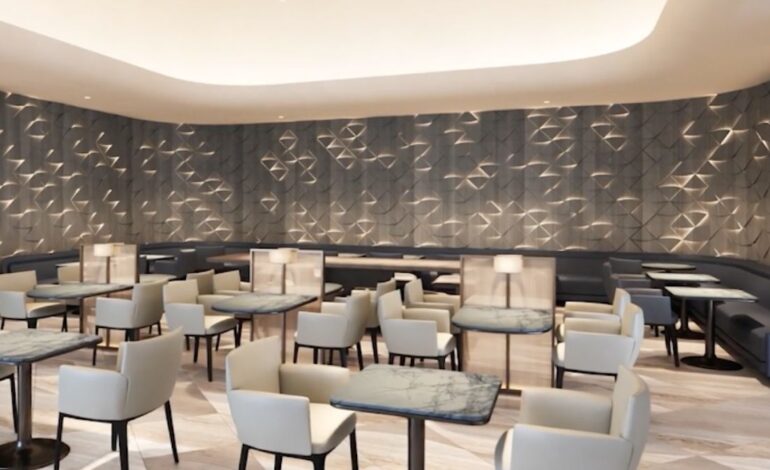

Airport lounges are supposed to feel special. They represent a level of travel privilege. Yet most feel the same: vast, impersonal spaces designed to impress with scale and spectacle. The new Riyadh Air Hafawa Lounge at King Khalid International Airport does something different. It feels less like a luxury brand statement and more like entering someone’s thoughtfully designed home.
Rejecting Convention
The design studio Yabu Pushelberg, based in Toronto and New York, collaborated with Riyadh Air on this project. Their approach was deliberately unconventional. Rather than creating massive, impressive spaces meant to showcase the airline’s success, they created intimate rooms that feel welcoming and personal.
Glenn Pushelberg, the studio’s co-founder, explained the philosophy: “Airport lounges tend to lead with scale and spectacle. We went the other way.” Instead of one grand space, guests encounter smaller, interconnected rooms. Instead of overwhelming design statements, personal attention and choices.
His partner George Yabu added: “Guests feel like they are being looked after in someone’s home, not walking into a branding moment for an airline.”
This philosophy represents a fundamental shift in how luxury travel spaces think about guest experience. It’s not about impressing visitors with splendor. It’s about making them feel cared for.
Spaces Within Spaces
The lounge spans nearly 2,000 square meters and can accommodate up to 370 guests. Despite this size, it never feels crowded or overwhelming. That’s because the space is divided into distinct rooms, each serving a different purpose and mood.
The Pantry: Designed for informal dining, it feels like a gathering space where people naturally congregate.
The Balcony Cafe: A lighter, more casual space for coffee and conversation.
The Study: A quieter, more contemplative space perfect for working or reading.
The Parlor: Another quieter retreat for relaxation.
The Cabinet: A social space for connection and interaction.
The Cellar: Another social gathering space.
Beyond these named spaces, the lounge also features private sleeping pods and garden facing seating. This variety means that different guests, with different needs and moods, find a space that suits them.
Materials That Tell a Story
Walk through the lounge and you notice the materials carefully. A palette of limestone, oak, and textured plaster creates a warm, inviting atmosphere.
These aren’t random choices. Yabu explained: “The choices draw from the Saudi landscape. But the way they are used, the proportions, the layering, that is contemporary and comes from decades of understanding how materials make people feel.”
This approach respects local context while remaining completely contemporary. The materials feel grounded in Saudi Arabia but expressed through modern design sensibility. It’s culturally respectful without being themed or kitschy.
This matters because it shows that luxury design doesn’t have to choose between local identity and global sophistication. The Hafawa Lounge proves those can coexist beautifully.
Light as Experience
One of the lounge’s most innovative features is often overlooked: its circadian lighting system. This isn’t just decoration. It’s a deliberate attempt to help guests’ bodies adjust to travel.
Modern airplanes already use circadian lighting to help passengers acclimate to new time zones. In the evening, the light shifts to warmer tones to promote sleep. In the morning, it becomes cooler and brighter to promote wakefulness.
The Hafawa Lounge extends this concept into the terminal. The light evolves throughout the day: warm at dawn, cooler through midday, warm again at dusk. This mirrors the natural rhythms of desert light, with subtle tones of peach, lavender, and indigo.
Pushelberg said: “Most lounges treat lighting as decoration. We designed the lounge for how someone feels at six in the morning versus ten at night.”
This reveals an understanding that travel is physically and psychologically demanding. The lounge doesn’t just provide a place to sit. It actively supports your body’s adjustment to time change and travel fatigue.
The Philosophy Behind Luxury
The Hafawa Lounge represents a shift in how luxury travel thinking about what guests actually value. It’s not about ostentation. It’s about thoughtfulness.
A traveler arriving at six in the morning doesn’t want spectacle. They want a quiet space with good light to help them wake. A traveler before an evening flight doesn’t want a social pressure to mingle. They want a place to rest or work undisturbed.
By providing varied spaces and experiences, the lounge acknowledges that travelers are people with different needs. That’s more respectful than forcing everyone into the same experience, no matter how luxurious.
This philosophy extends to small details. The Pantry feels informal because informality sometimes feels more welcoming than excessive formality. The Study is quiet not because quiet is inherently luxurious but because some guests need quiet to feel good.
A New Standard for Airport Hospitality
The Hafawa Lounge sets a new standard for what airport hospitality can be. It proves that luxury doesn’t have to be grand and impressive. It can be intimate and thoughtful.
Other airlines will undoubtedly take notice. But the real value isn’t in copying the design. It’s in adopting the philosophy: that guests want to feel cared for, not impressed. That spaces should support how people actually feel, not demonstrate brand prestige.
Travel is stressful. Airports are chaotic. A lounge that acknowledges these realities and actively helps guests feel better is more valuable than one that impresses with scale.
The Details That Matter
Walking through the Hafawa Lounge, you notice small things. A comfortable chair in a quiet corner. Natural light coming in. The smell of coffee from The Pantry. The sound level managed so no single space feels overwhelming.
These aren’t grand architectural moments. They’re the thoughtful details that make a space feel human. They’re what transform a lounge from a place you tolerate into a place you actually enjoy.
This is the insight behind the entire project: luxury is in the details. It’s in understanding that people want to feel good, supported, and respected. A home feels valuable not because of its size but because care was taken in how it’s designed.
What This Means for Travel
The Hafawa Lounge represents a broader shift in luxury hospitality thinking. It’s a move away from maximalist design that impresses and toward minimalist thoughtfulness that supports.
It shows that truly excellent design understands how people actually live and travel. It meets them where they are rather than demanding they appreciate spectacle.
For travelers, this is excellent news. It means airport spaces are finally being designed with actual human experience in mind rather than just brand presentation. The Hafawa Lounge proves that the future of luxury travel is human centered and thoughtful.
A luxury space doesn’t need to be grand to be valuable. Sometimes, thoughtful design that helps you feel better is the most luxurious thing of all.
Also Read:
Beauty Myths vs Facts: Smart Ways to Care for Your Skin
Why Experience Still Matters in Manufacturing Despite AI Predictions