






Indonesia Makes History with Asia’s First Elephant Ride Ban
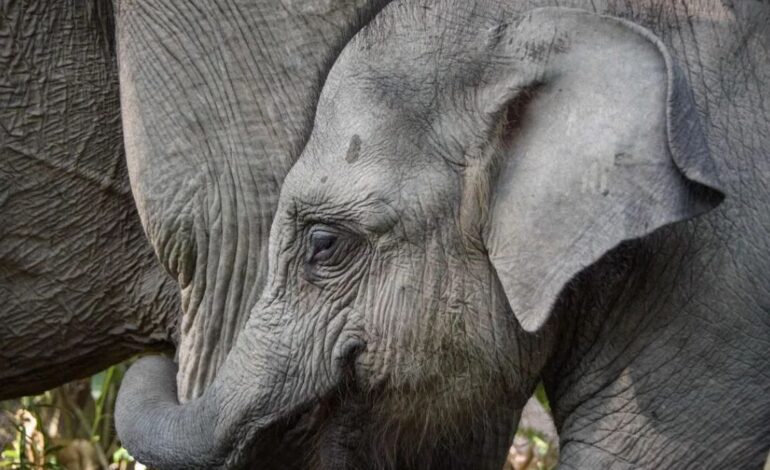

Indonesia has made history, becoming the first nation in Asia to enact a nationwide ban on elephant rides. This decisive move, grounded in animal welfare, marks a profound shift for a region where such tourist activities have long been commonplace.
The ban, first announced in December and actively enforced since the start of the year, is a direct response to growing public awareness and advocacy. It is a victory for the critically endangered Sumatran elephant and the endangered Bornean elephant, whose captivity for entertainment has come under intense scrutiny.
From Social Media Calls to Official Action
The path to the ban was paved by widespread public demand. Indonesians took to social media to spotlight venues still offering rides, particularly on the island of Bali—a global tourism hotspot that welcomed nearly seven million foreign visitors last year. This citizen vigilance played a crucial role.
“The demand came from visitors attracted to elephant rides, even for just 15 minutes, often to post about it online,” acknowledged Ratna Hendratmoko, head of the Bali Natural Resources Conservation Agency. “I’m thankful to online friends who raised their concerns, reminding us to continue our monitoring.”
That monitoring has yielded results. Authorities confirm that all five conservation sites in Bali, including major attractions like Bali Zoo and Mason Elephant Park & Lodge, have complied and ceased offering rides by the end of January.
A Shift Toward Ethical Observation
The ban is not merely a prohibition; it is a redirection. Indonesian authorities are actively urging conservation sites to adopt a new model. They are pushing for a focus on animal welfare, educational activities for visitors, and “innovative and non-exploitative” attractions. The future lies in respectful wildlife observation without forced physical interaction.
This policy change follows harrowing investigations by animal rights groups, which documented elephants being chained and beaten with bullhooks to subdue them for tourists. The ban, as Jason Baker of PETA Asia stated, “puts Indonesia at the forefront of elephant welfare.”
A Ripple Effect Across Asia?
The move establishes Indonesia as an unexpected regional leader in ethical wildlife tourism. Elephant camps remain major attractions in neighboring countries, most prominently in Thailand, but also in Nepal, Laos, and India. Advocacy groups are now urging these nations to follow Indonesia’s compassionate lead.
Indonesia’s decision is a powerful statement that cultural traditions and tourist expectations can evolve. It prioritizes the well-being of majestic, intelligent creatures over a fleeting tourist photo opportunity. This landmark ban proves that progress is possible, setting a new and hopeful standard for wildlife tourism across Asia.
Also Read:
US Envoy Witkoff Set to Meet Israeli Leaders During Israel Visit
British Killer Known as Suffolk Strangler Pleads Guilty in Cold Case