

Indian PM Calls for ‘Early’ End to Hostilities in Talks with Benjamin Netanyahu
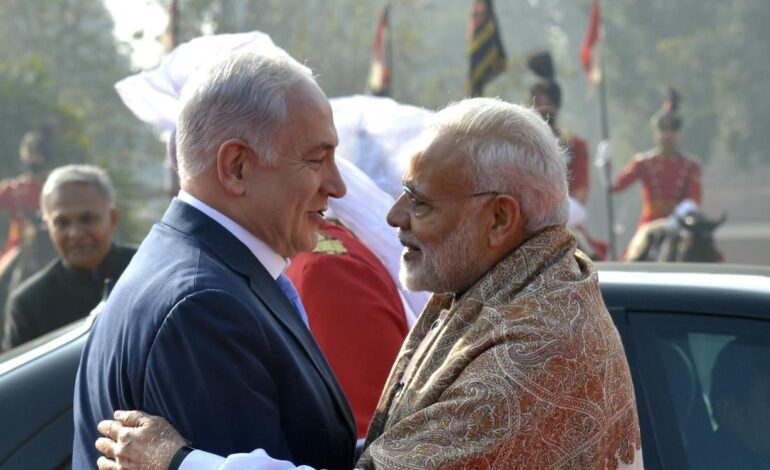

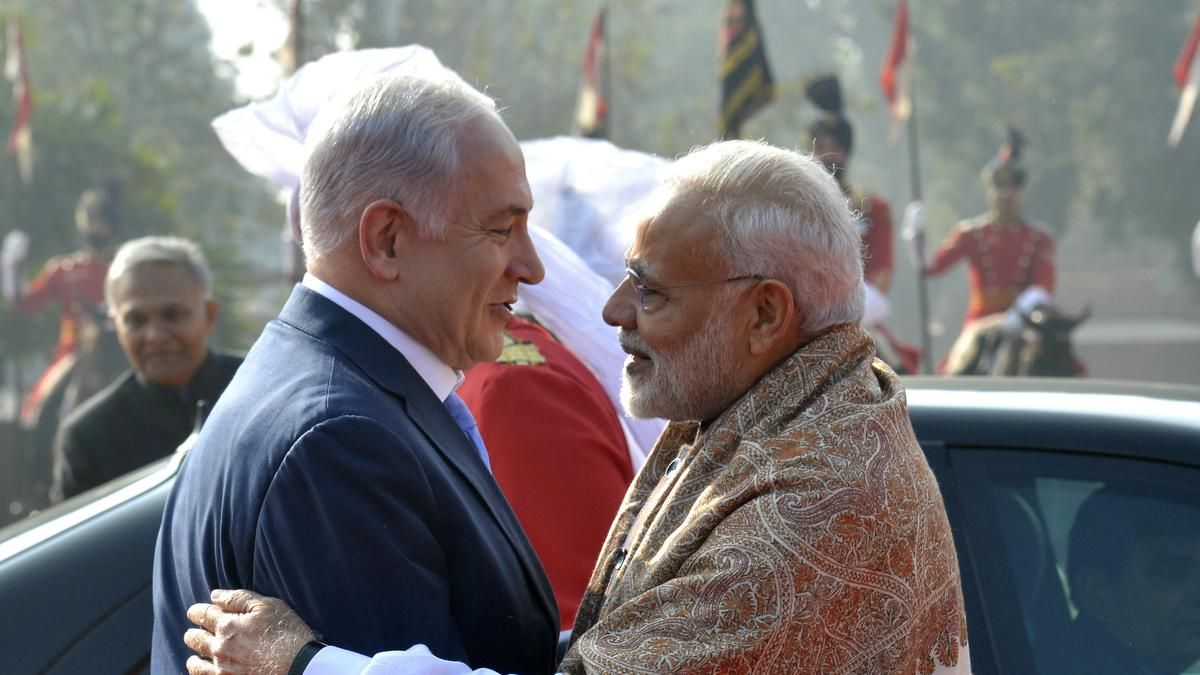
NEW DELHI — When Indian Prime Minister Narendra Modi picked up the phone to speak with Benjamin Netanyahu on Monday, he was doing more than checking in with an old friend. He was signaling India’s position on a conflict that threatens to engulf a region where millions of his citizens live and work.
The message was clear and direct: it is time to stop.
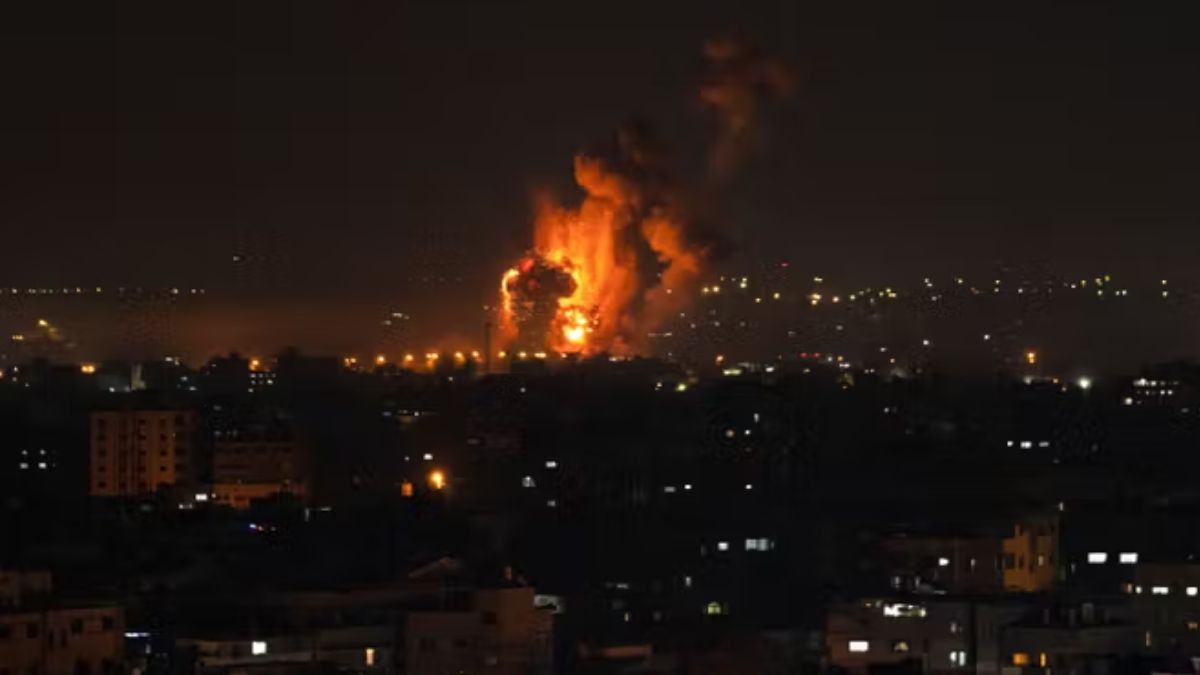
“India reiterates the need for an early cessation of hostilities,” Modi wrote after the call with the Israeli leader. He had met Netanyahu in Jerusalem just last Thursday—a lifetime ago in Middle East time, before the strikes on Tehran, before the retaliatory barrages, before the Gulf states found themselves in the crossfire.
The Prime Minister’s office elaborated further: Modi “conveyed India’s concerns over recent developments and emphasized the safety of civilians as a priority.”
The Israel Equation
Modi’s relationship with Netanyahu has been warm and publicly celebrated. India has deepened military and strategic ties with Israel in recent years, viewing the Jewish state as a vital partner in counterterrorism, technology, and defense procurement. The prime ministers have exchanged visits, posed for photos, and signed agreements.
But warmth has limits when national interests diverge. India’s call for an “early cessation” is diplomatic language for “enough is enough.” New Delhi is not Washington. It does not have the same strategic alignment with Israel’s military objectives, nor can it afford to be seen as taking sides in a conflict that directly threatens its own people.
The Gulf Reality
The second phone call Modi placed Monday was perhaps more telling than the first. He spoke with UAE President Mohamed bin Zayed Al Nahyan after Iran’s retaliatory campaign spread destruction across the Emirates.
“India stands in solidarity with the UAE in these difficult times,” Modi said. “We support de-escalation, regional peace, security and stability.”
The solidarity is not merely symbolic. It is rooted in hard numbers.
Approximately 3.5 million Indians live and work in the Gulf region. They form the backbone of the UAE’s economy—driving taxis, running shops, building skyscrapers, and sending remittances home that sustain countless families across Kerala, Tamil Nadu, and Uttar Pradesh.
When Iranian drones strike Abu Dhabi, when missile debris sets Jebel Ali port ablaze, when three foreign workers are confirmed dead in the UAE—including a Bangladeshi national, but with Indians still unaccounted for—the government in New Delhi feels the impact acutely.
A Delicate Balance
India’s position has long been one of strategic autonomy—maintaining ties with Israel, Iran, and the Gulf Arabs simultaneously. It buys oil from Tehran, weapons from Jerusalem, and welcomes investment from Abu Dhabi and Riyadh. It abstains on UN votes that would force a choice.
This conflict tests that balancing act.
Calling for an end to hostilities allows India to avoid choosing sides while acknowledging the suffering on all fronts. The message to Israel: we value our partnership, but the violence must stop. The message to Iran and the Gulf states: we see your pain, and our people are hurting too.
What Comes Next
For the millions of Indians in the region, diplomatic statements offer cold comfort. Their real concern is whether the airports stay open, whether the schools remain safe, whether the fighting spreads to their neighborhoods.
The Indian government has not yet issued the kind of shelter-in-place warnings seen from Western capitals. But contingency planning will be underway. Evacuation scenarios are likely being updated. The navy may be placed on standby.
Modi’s phone calls are the visible part of a much larger machinery working to protect Indian lives and interests. The invisible part—the intelligence sharing, the coordination with Gulf authorities, the quiet diplomacy—will determine whether those 3.5 million citizens remain safe.
For now, the message from New Delhi is one of restraint. In a region hurtling toward escalation, India is planting its flag firmly in the camp of de-escalation. Whether anyone listens remains to be seen.
Also Read:
Trump’s Cuba Statement Sparks Debate After High-Level Talks in Havana
Blood Red Moon on Tuesday: A Total Lunar Eclipse to Light Up the Night Sky