




India Considers Reptile River Guards to Strengthen Bangladesh Border Security
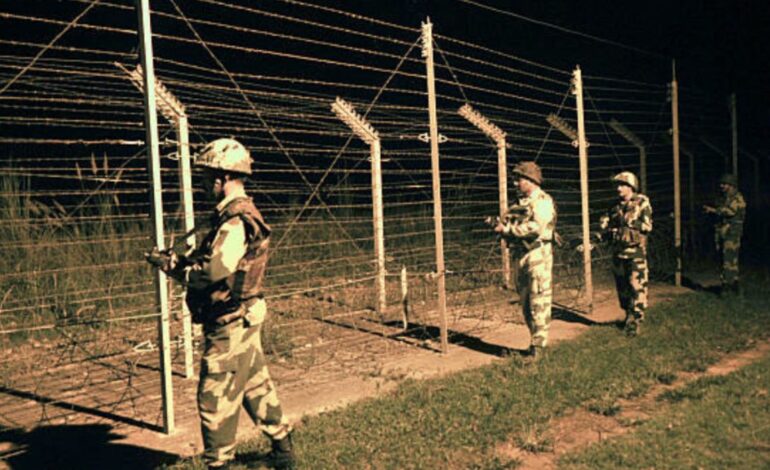

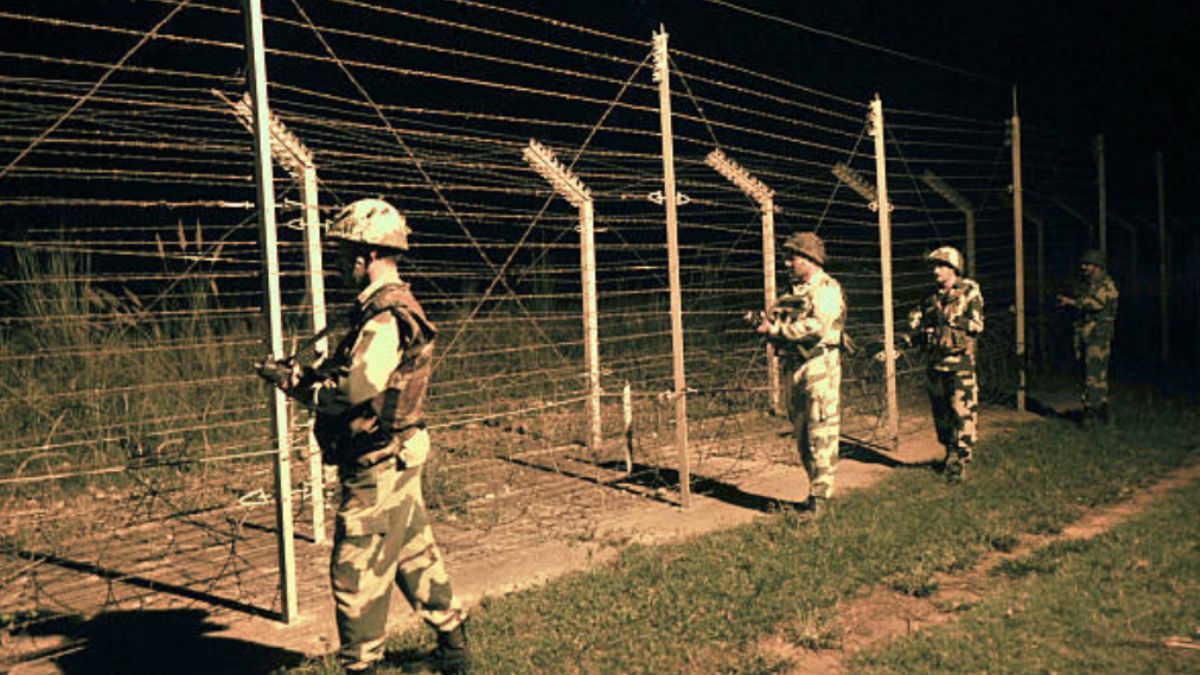
India’s Border Security Force is exploring an unconventional approach to curb unauthorized crossings along its 4,000-kilometer frontier with Bangladesh—deploying snakes and crocodiles as natural deterrents in unfenced riverine areas.
The Proposal
Senior Border Security Force officer Manoj Barnwal revealed that the use of reptiles was discussed during a February meeting with India’s Home Ministry. The plan focuses on leveraging crocodiles and snakes as natural barriers in flood-prone zones where traditional fencing is ineffective or impractical.
“We have been asked to explore the feasibility of deploying reptiles such as snakes or crocodiles in vulnerable riverine gaps,” Barnwal, deputy inspector general based in Kolkata, told AFP.
The proposal targets the Sundarbans, the world’s largest mangrove forest, which lies along the India-Bangladesh border. Large stretches of this delta region remain unfenced due to geographical and logistical constraints.
Significant Challenges
Barnwal acknowledged substantial obstacles to the plan. “It’s an innovative move, but there are several challenges and it raises safety concerns,” he said.
Key concerns include how to procure and manage the reptiles, their impact on villages situated along the riverine border, and the feasibility of maintaining such a deterrent system in a dynamic ecosystem.
“We have asked our field units to study the feasibility of the approach and send the report as soon as possible,” Barnwal added.
Strained Relations Context
The proposal comes amid deteriorating India-Bangladesh relations. A 2024 revolution in Bangladesh ended the autocratic rule of former Prime Minister Sheikh Hasina, who fled to India. India has since arrested scores of Bangladeshis attempting border crossings and constructed additional fencing along the frontier.
The Hindu nationalist government of Prime Minister Narendra Modi has maintained a hard-line immigration stance, particularly toward Muslim-majority Bangladesh. Indian officials have used inflammatory language, referring to migrants as “infiltrators” and “termites.”
Rights groups have accused India of pushing hundreds of Bengali-speaking Muslims into Bangladesh without due process.
Diplomatic Bridge-Building
As India considers this controversial security measure, Bangladesh’s Foreign Minister Khalilur Rahman is visiting New Delhi on Wednesday—the most senior envoy from Dhaka since the 2024 uprising. His visit represents an attempt to rebuild strained diplomatic relations between the neighboring nations.
Whether the reptile deterrent plan moves forward remains uncertain, but it reflects New Delhi’s determination to strengthen border security through any available means.
Also Read:
EU Mission to Ukraine Pipeline: How Politics is Creating an Information Gap
Why the UN Calls Attacks on Civilian Targets a Serious War Crime