


India and GCC Set the Stage for a Major Free Trade Agreement

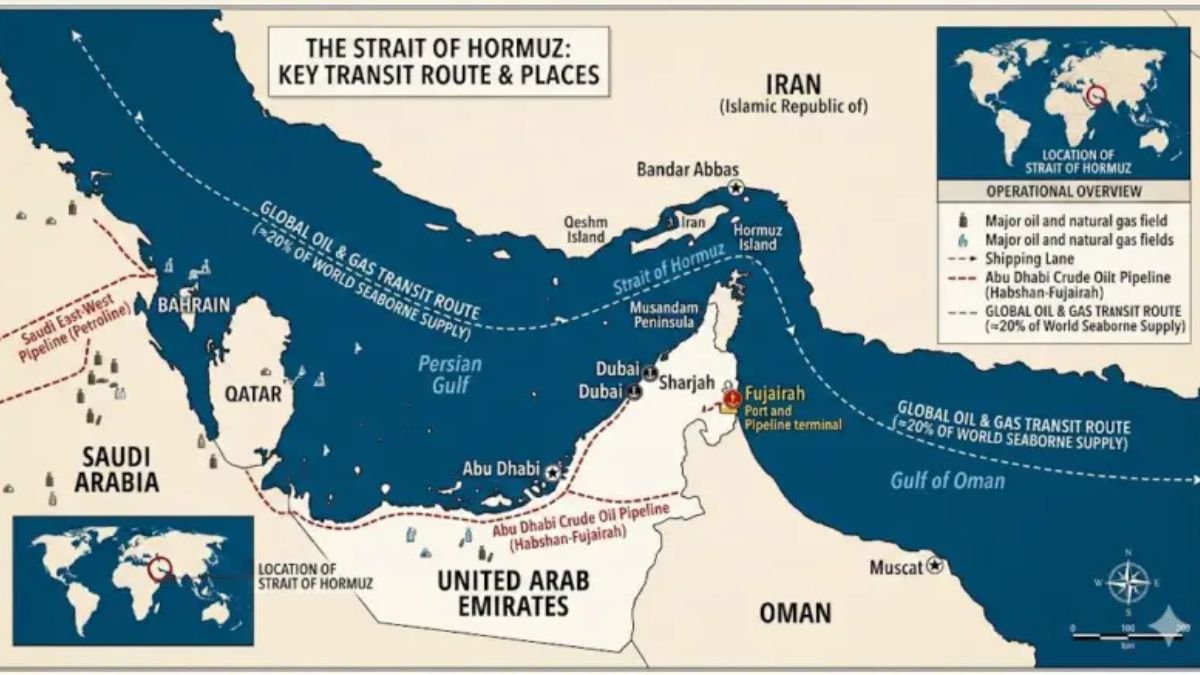
In a move set to reshape economic ties across the Arabian Sea, India and the Gulf Cooperation Council have officially agreed on the terms to begin negotiations for a comprehensive Free Trade Agreement. The announcement, confirmed by India’s Minister of Commerce and Industry, Piyush Goyal, marks a pivotal step in deepening one of the most consequential trade relationships in the developing world.
The potential of this partnership is monumental. In 2024, India was the GCC’s second-largest merchandise trade partner, with bilateral trade hitting $157.9 billion. A formal FTA would build on this robust foundation, aiming to unlock new growth, stability, and strategic collaboration.
Mutual Benefits on the Horizon
Minister Goyal outlined a vision of mutual gain. For India, key industries like petrochemicals and information and communication technology are poised to benefit significantly, with ICT firms gaining fresh access to the expanding Gulf market. The agreement is also expected to spur job creation and investment flows in both directions.
Crucially, the partnership extends beyond goods and services. The two sides have agreed to establish a joint foundation to develop infrastructure in India and across the six GCC nations—a forward-looking commitment to building long-term economic capacity together.
Food, Energy, and Strategic Depth
The minister framed the FTA as a cornerstone of shared security. “We will encourage food security and energy security of both the GCC and India,” Goyal stated, highlighting the complementary nature of the economies. India is a major exporter of food products and skilled manpower, while the GCC provides energy resources and strategic investment capital. As he put it, “as the GCC and India come closer together, we will become a force multiplier for global good.”
Part of a Broader Strategic Push
This initiative is not happening in isolation. For the GCC, it is part of a concerted strategy to secure new trade agreements with major economies like the UK, the EU, and China. For India, it is the latest in a series of strategic trade moves under Prime Minister Narendra Modi’s government, following recent pacts with the EU, the UK, Oman, and New Zealand, as well as a crucial recalibration of trade terms with the United States.
The signing of the Terms of Reference sets the stage for complex negotiations ahead. Raja Al-Marzouqi, head of the GCC’s negotiating team, emphasized the bloc’s commitment to strengthening this key strategic partnership.
If successfully concluded, the India-GCC FTA will do more than reduce tariffs. It will formalize an economic corridor of immense scale, weaving together the growth ambitions of nearly two billion people and creating a powerful new axis of trade, investment, and geopolitical cooperation in the 21st century.
Also Read:
Ithra Celebrates Spain’s Colorful Culture Through Fashion
Amira Al-Zuhair Starts 2026 in Style with Jacquemus Fashion Show