


How the Drop in Western Aid Could Affect Relief Work Worldwide

The United Nations has issued a sobering financial appeal for 2026, seeking $33 billion to assist 135 million people caught in crises from Gaza to Sudan. This revised request—substantially lower than previous years—comes on the heels of a stark reality: humanitarian funding from donor nations, primarily in the West, has fallen to its lowest level in a decade.
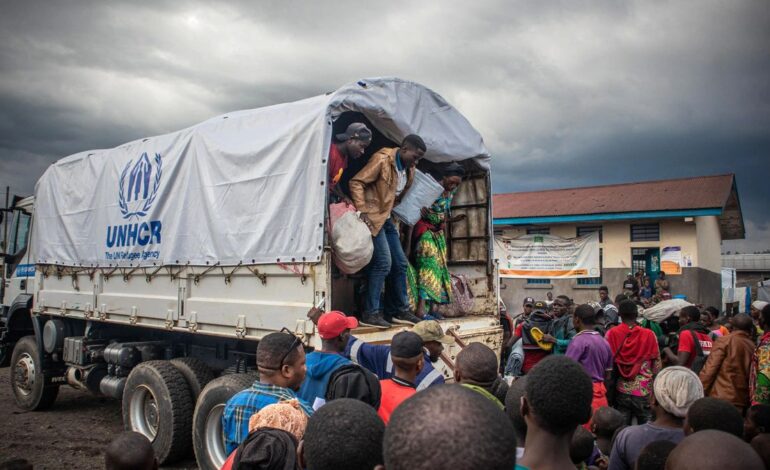
In 2025, the UN’s humanitarian coordination office (OCHA) received just $15 billion against a $47 billion appeal. The consequences of this shortfall are not abstract budget lines; they are measured in human suffering. As OCHA chief Tom Fletcher outlined, the drop has led to slashed food budgets amid famine, collapsed health systems, uncontained disease outbreaks, and the closure of hundreds of aid organizations. Crucially, 25 million fewer people received assistance this year than in 2024.
The Roots of Donor Fatigue
This retreat in funding arrives as many traditional donor governments face competing pressures. Security concerns driven by an assertive Russia, coupled with lackluster economic growth, are straining national budgets. The result is a painful prioritization where distant humanitarian needs can be overshadowed by domestic and regional security demands.
Fletcher framed the disparity with a powerful comparison: global defense spending reached $2.7 trillion last year, while his appeal asks for just over 1% of that amount. “I know budgets are tight right now,” he acknowledged. “Families everywhere are under strain. But… I’m asking for just over 1 percent of that.”
A System Under Pressure and Seeking Change
The funding crisis has forced painful contractions within the UN system itself, including thousands of job cuts at major agencies like those for migration and refugees. In response, Fletcher is advocating for a “radical transformation” of the aid model. This includes reducing bureaucracy, improving efficiency, and—significantly—channeling more resources and decision-making power directly to local organizations on the front lines.
Despite the grim figures, Fletcher noted ongoing “very practical, constructive conversations” with the U.S. administration, suggesting diplomatic channels remain open. His tone blends determination with clear-eyed urgency: “Do I want to shame the world into responding? Absolutely. But I also want to channel this sense of determination and anger that we have as humanitarians, that we will carry on delivering with what we get.”
The Path Ahead
The downsized 2026 appeal is both a pragmatic adjustment and a stark warning. It signals that the international humanitarian system is being forced to triage on a massive scale, leaving millions without a safety net. As conflicts persist and climate disasters intensify, the gap between needs and resources threatens to become a chasm. The coming year will test whether a more efficient, locally-led aid model can emerge from this financial crisis—and whether the global community will muster the political will to fund it.
Also Read:
Pepper Spray Incident at Heathrow: UK Police Examine Possible Motives
Is Zelensky Really ‘Not Ready’? Breaking Down Trump’s Latest Comment on the War Proposal