


How Heavy Rains Slowed Sri Lanka’s Cleanup After the Deadly Floods
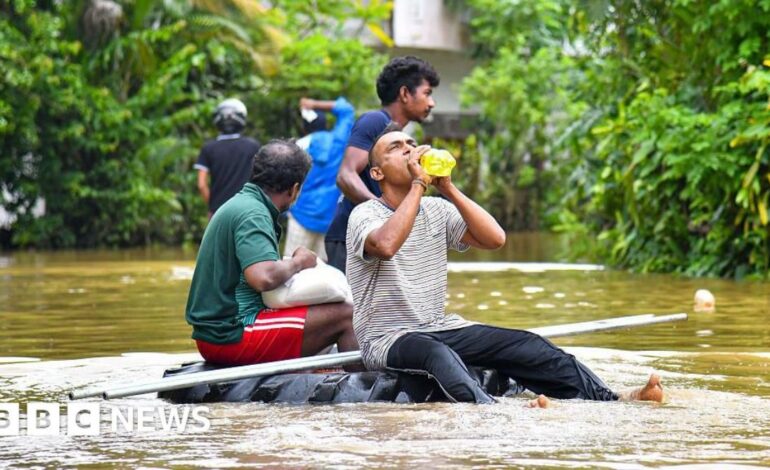

As Sri Lanka struggles to recover from its worst natural disaster in living memory, new heavy rains are hampering efforts to clear debris and restore normalcy. Torrential downpours on Friday compounded the nation’s misery, complicating a massive clean-up operation just as floodwaters had begun to recede.
The Disaster Management Centre confirmed the death toll has reached 486, with another 341 people still missing in the wake of Cyclone Ditwah. While the most severe flooding has subsided, the scale of destruction remains overwhelming. More than 50,000 homes have been damaged, and over 170,000 people remain sheltered in state-run camps—down from a peak of 225,000, yet still an immense number of displaced families.
President Anura Kumara Dissanayake, who declared a state of emergency last Saturday, described the floods and landslides as the most challenging disaster in the nation’s history. The human toll is matched by a staggering economic one, with early rebuilding costs estimated between six and seven billion dollars.
Even as residents cautiously return to sodden neighborhoods, authorities warn that danger lingers. In the central hills, communities remain under threat of further landslides, with unstable mountainsides deemed too risky for evacuees to return home. In towns like Gampola, the task of clearing homes has become a communal effort. Volunteers from across the country are assisting, with teams reporting it can take ten people an entire day to clean a single house.
“No one can do this without help,” said Rinas, a volunteer working alongside cleric Faleeldeen Qadiri at the Gate Jumma Mosque, where locals and outsiders are banding together to shovel out mud and debris. The government is offering financial assistance—25,000 rupees ($83) for cleaning a home and 2.5 million rupees ($8,300) to begin reconstruction—but for many, recovery still feels distant.
Infrastructure recovery is progressing unevenly. Nearly three-quarters of the country’s electricity supply has been restored, yet parts of the devastated Central Province remain without power or telephone connectivity. Each new rain shower threatens to undo fragile gains, slowing relief delivery and prolonging displacement.
Sri Lanka now faces the daunting task of rebuilding not just homes, but lives. International support will be crucial, yet the immediate challenge is fought locally—shovel by shovel, house by house, under a sky that still will not relent.
Also Read:
Inside Maduro’s ‘Respectful’ Call with Trump: What It Means for Future Ties