

A City in Mourning: The Search for Answers After Hong Kong’s Deadly Blaze

- PublishedDecember 1, 2025
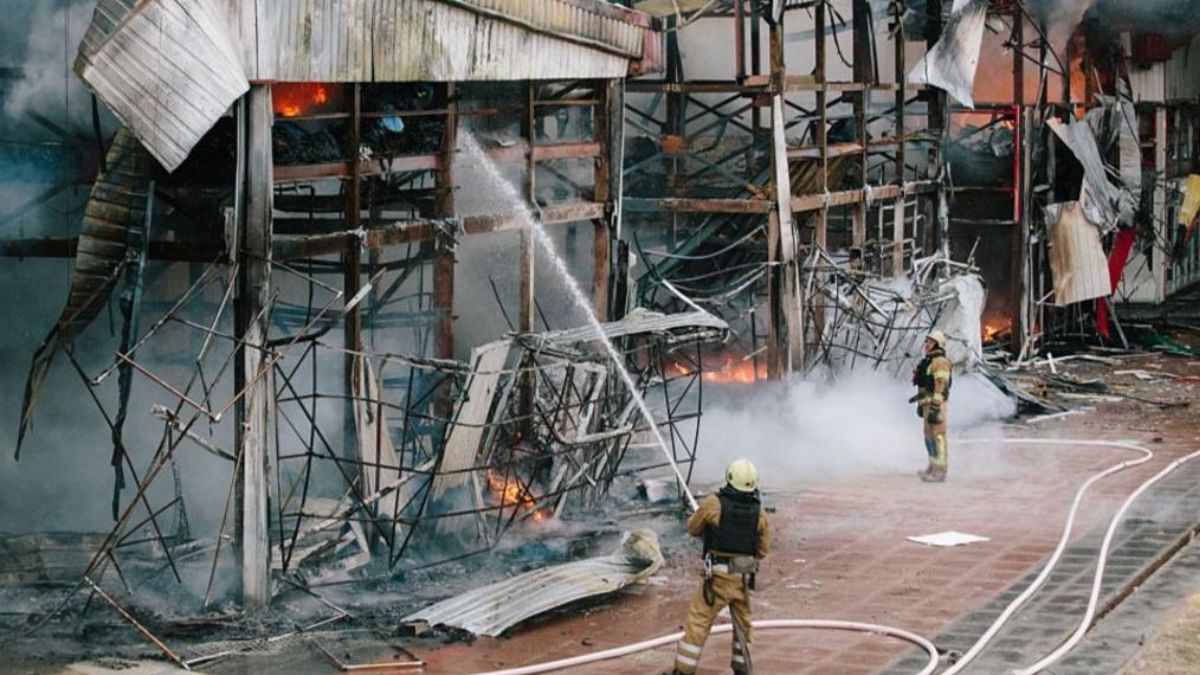
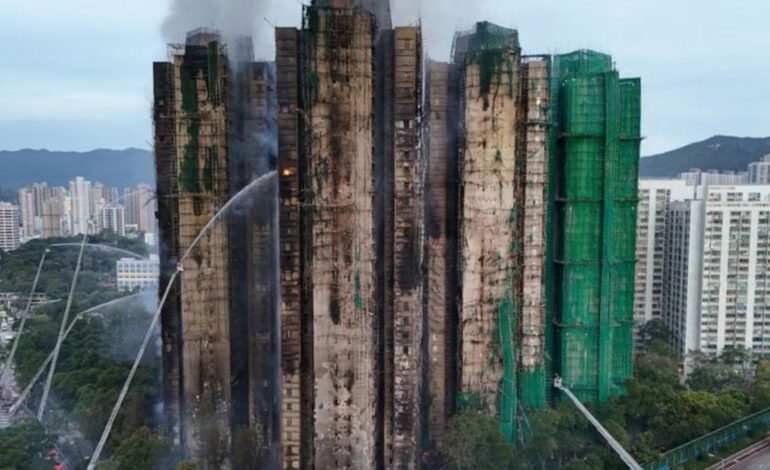
The acrid smell of smoke has begun to fade over the Wang Fuk Court estate, but a profound grief has settled across Hong Kong. As the death toll from last Wednesday’s catastrophic fire reached 146, the city is grappling with its deadliest disaster in over seven decades. The scale of the loss is almost incomprehensible, turning a bustling housing estate into a charred monument of tragedy.
For days, the world watched as firefighters battled the flames that raced across the exterior of the apartment towers, fueled by renovation materials. Now, the scene has shifted to a grim, meticulous search. Police in protective hazmat suits are navigating the blackened skeletons of the worst-affected buildings, a process officials warn could take weeks. They are searching for the approximately 40 people still missing, finding victims in stairwells and on rooftops—harrowing evidence of desperate attempts to escape.
A Community Uprooted
Behind the staggering statistics are thousands of shattered lives. The blocks were home to over 4,000 residents, a vibrant community now dispersed. More than 1,100 people have been moved from evacuation centers into temporary housing, with hundreds more in hostels and hotels. Many fled with nothing. In response, authorities are providing emergency funds and assisting with replacing essential documents like identity cards and passports—small administrative steps against a vast landscape of personal loss.
The victims came from all walks of life, including at least nine domestic helpers from Indonesia and one from the Philippines, highlighting the deep international connections within the city. On Sunday, a line of mourners stretched for over a kilometer along a nearby canal, a silent, powerful testament to a community in collective mourning. Vigils are planned this week as far away as Tokyo and London.
Searching for Causes, and for Accountability
As the physical search continues, so does a pressing search for answers. The cause of the blaze is under investigation, but it has already ignited fierce public scrutiny and anger. Authorities have arrested 11 people as part of probes into possible corruption and the use of unsafe materials. Disturbing details have emerged: the building was swathed in flammable foam insulation and bamboo scaffolding wrapped in mesh; fire alarms were malfunctioning.
Perhaps most heartbreaking are the revelations that residents had raised specific concerns about fire hazards posed by the renovations as recently as September 2024. They were reportedly told they faced “relatively low fire risks.” This discrepancy between resident warnings and the horrific outcome is a central point of public anguish.
A Fragile Political Climate
The tragedy has unfolded in a highly charged atmosphere, just days before legislative elections. Beijing’s national security office in Hong Kong has issued a stark warning against using the disaster to “plunge Hong Kong back into the chaos” of the 2019 protests. They vowed to punish any “anti-China disruptors.” This statement came after the reported detention of individuals involved in petitions calling for an independent probe into the fire. The police have stated they will act in accordance with the law, declining to comment on specific cases.
These events place the city at a difficult crossroads—between a universal need to mourn and seek accountability for profound loss, and a complex political reality that shapes how that process can unfold.
The charred facade of Wang Fuk Court now stands as a somber question mark for Hong Kong. The immediate tasks are clear: care for the survivors, honor the dead, and complete the painstaking search. But the longer-term questions of responsibility, oversight, and how a modern city prevents such a failure will echo long after the last debris is cleared. The soul of Hong Kong, resilient yet deeply wounded, now seeks not just recovery, but also truth.
Also Read:
May Saw a Two-Year High for Saudi Arabia’s Non-Oil Exports of $7.70 Billion, According to GASTAT.