





Greece Moves to Ban Social Media for Young Teens: Impact and Reactions
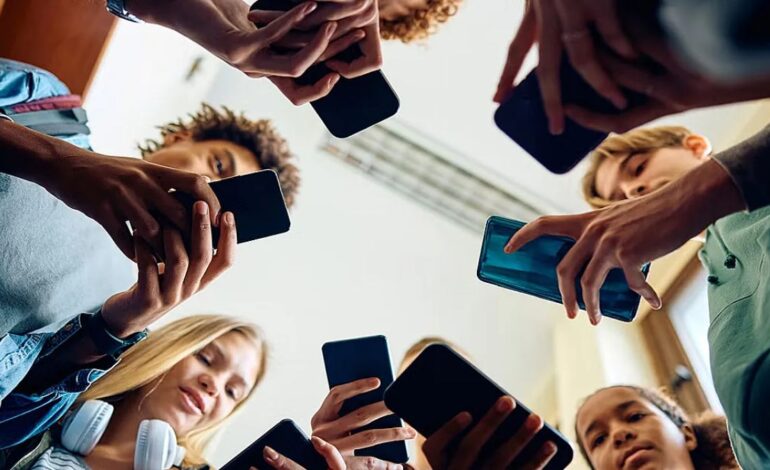

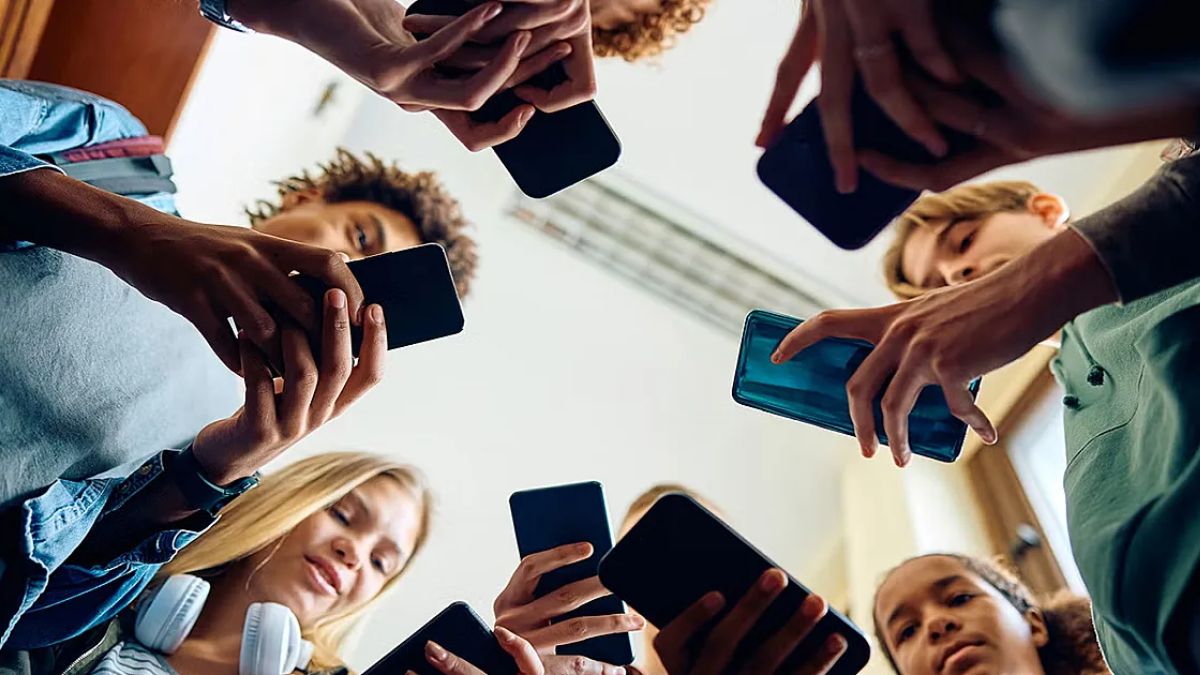
Greece will become one of the world’s first nations to implement a comprehensive social media ban for minors, prohibiting children under 15 from accessing platforms like TikTok, Instagram, and Snapchat starting January 1, 2027.
The Announcement
Prime Minister Kyriakos Mitsotakis announced the ban on Wednesday in a video posted on TikTok—the very platform the measure targets. The symbolic choice allowed him to speak directly to young people affected by the policy.
“We have decided to go ahead with a difficult but necessary measure: ban access to social media for children under 15 years old,” Mitsotakis said. He acknowledged that “some of you are going to be angry” but explained the measure aims to combat harmful addiction rather than restrict technology access broadly.
The Scientific Rationale
The Greek government based its decision on brain science. “When a child is in front of screens for hours, their brain does not rest,” Mitsotakis explained, highlighting concerns about developmental impacts and addiction patterns in young people.
The ban targets the addictive nature of social platforms while preserving access to technology generally, emphasizing that the goal is protecting childhood innocence and freedom rather than isolating youth from the digital world.
Greece’s Global Leadership
Greece joins a growing international movement to regulate young people’s social media access. “Greece is among the first countries in the world to adopt such a measure,” Mitsotakis noted, pledging to pressure the European Union to follow suit.
Australia took the lead in December, becoming the first nation to require major platforms to remove accounts held by under-16s or face substantial fines. Indonesia began enforcing a ban for under-16s in March, issuing compliance notices to Google and Meta. Austria announced similar plans last month, with legislation expected this summer for children up to age 14.
Spain and Denmark have also signaled intentions to establish digital age restrictions for social networks.
A Coordinated Global Shift
The coordinated movement across diverse democracies suggests growing international concern about social media’s impact on child development. Regulatory pressure is mounting on major platforms to implement age verification and account restrictions globally.
The measures raise complex questions about enforcement, privacy, and how platforms will verify ages. However, the trend reflects widespread political and scientific consensus that protection of young people’s mental health and development warrants regulatory action, despite the cultural dominance of social media in contemporary life.
Also Read:
EU Mission to Ukraine Pipeline: How Politics is Creating an Information Gap
Why the UN Calls Attacks on Civilian Targets a Serious War Crime