



World Bank Predicts Strong 4.4% GCC Economic Growth in 2026


The economic outlook for the Gulf Cooperation Council (GCC) is shining brightly, with new projections painting a picture of sustained and strengthening growth. According to the World Bank’s latest Global Economic Prospects report, the combined economies of the GCC are forecast to expand by a robust 4.4% in 2026, accelerating further to 4.6% in 2027.
This positive trajectory signals more than a post-pandemic rebound; it highlights a fundamental economic shift gaining momentum across the Gulf.
The Engine of Growth: Diversification in Action
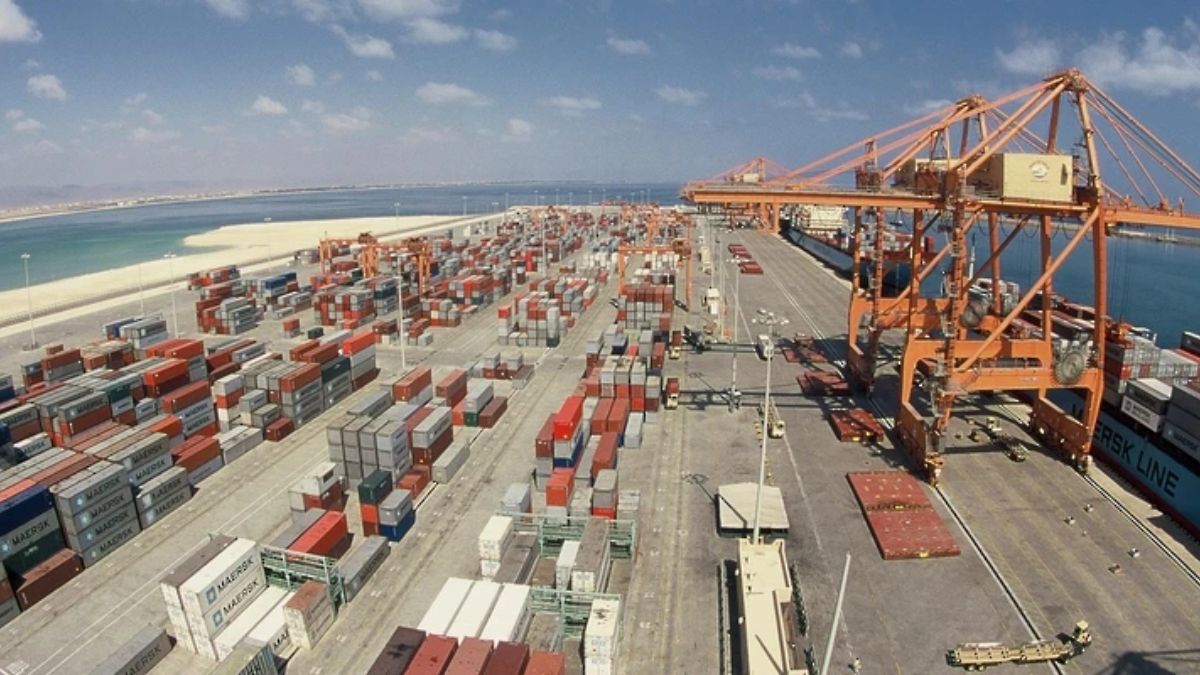
A key driver behind these numbers is the steady and significant expansion of the non-hydrocarbon sector. This segment, which now accounts for over 60% of the GCC’s total GDP, is projected to be fueled by expected large-scale investments, particularly in Saudi Arabia and Kuwait.
The report singles out Saudi Arabia, where real GDP is expected to grow from 3.8% in 2025 to 4.3% in 2026. This aligns with other analyses, such as from Standard Chartered, which also forecasts strong Saudi growth outperforming the global average. This momentum is a direct reflection of the Kingdom’s Vision 2030 agenda, which aims to reduce reliance on oil revenues. Evidence of this transition’s success can be seen in metrics like the Purchasing Managers’ Index (PMI), where Saudi Arabia registered the region’s highest reading in December, powered by new orders and rising employment in non-energy sectors.
A Country-by-Country Glance
The growth story is strong but varied across the bloc:
- The UAE is projected to lead with 5% growth in 2026.
- Qatar shows remarkable potential, with forecasts jumping from 5.3% in 2026 to 6.8% in 2027.
- Oman is set for steady expansion, moving from 3.6% to 4%.
- Bahrain and Kuwait are looking at growth of 3.5% and 2.6% respectively in 2026.
Navigating Potential Headwinds
Despite the optimistic forecast, the World Bank cautions that the path forward is not without risks. The region’s growth remains vulnerable to several potential challenges:
- A re-escalation of armed conflicts or social unrest.
- Tighter global financial conditions and increased trade restrictions.
- For oil exporters, lower-than-expected oil prices or heightened volatility.
- More frequent or severe natural disasters.
These factors could dampen business confidence, disrupt economic activity, and tighten financial conditions.
The Global Context
The GCC’s anticipated outperformance is set against a backdrop of a gradually slowing global economy. World Bank projections estimate global growth will ease to 2.6% in 2026. In comparison, the GCC’s forecast of 4.4% stands out sharply, underscoring the region’s dynamic economic trajectory compared to advanced economies like the United States (1.6%) or even major emerging markets like China (4.4%).
A Confident Stride Forward
The consistent message from the World Bank, IMF, and private sector analysts is clear: the GCC is on a confident upward path. The forecasts for 2026 and 2027 reinforce that the strategic investments in diversification and economic transformation are yielding tangible results. While mindful of geopolitical and economic risks, the region appears poised for a period of strong, non-oil-driven growth that will solidify its role as a growing powerhouse in the global economy.
Also Read:
Senate Rejects War Powers Resolution as Two GOP Members Back Trump
Why the UK Has Scrapped Its Plan for Mandatory Digital Worker IDs?