




Do Gaza Aid Flotillas Represent Futile Protest or a Strategic Stand Against the Blockade?
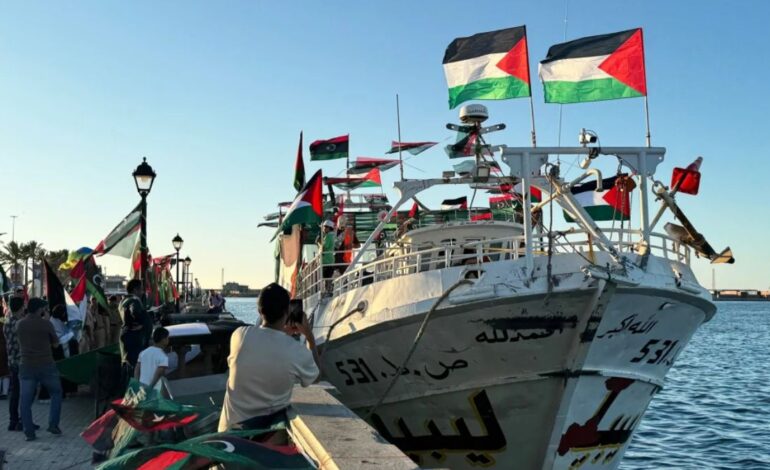

On the evening of October 1, a determined fleet of 44 vessels, carrying over 450 activists, journalists, and a cargo of symbolic aid, was enveloped by Israeli naval forces in the dark waters of the Mediterranean. The Global Sumud Flotilla, the largest civilian effort to breach the Gaza blockade in years, was brought to an abrupt halt in international waters—a conclusion both predictable and poignant.
Within hours, communication from most of the vessels ceased. By the next day, the Israeli military confirmed the operation’s success: nearly all ships had been commandeered, their passengers detained, and their course toward Gaza’s shore definitively blocked. Only one vessel remained “at a distance,” a solitary holdout against a far superior force.
The nighttime raid ignited immediate international reaction. Condemnation flowed from various governments and human rights organizations, while street protests erupted across cities worldwide—from Istanbul and Athens to Buenos Aires and Berlin. The flotilla, named “Sumud” (Arabic for “steadfastness”), was never merely about delivering material aid; it was conceived as a theatrical act of solidarity, a floating protest designed to spotlight the 17-year blockade of Gaza and the humanitarian crisis within.
Organizers anticipated the interception. The real objective was never to physically break the blockade—a near-impossible feat against one of the world’s most formidable navies—but to break the silence surrounding it. In this, the mission succeeded. The dramatic seizure and the detention of hundreds of international citizens refocused global media, however briefly, on the isolation of Gaza.
Yet, the episode also lays bare a painful contradiction. For all its symbolic power, the flotilla’s aid never reached its destination. Its participants are now detained, and the geopolitical reality remains unchanged. This cycle poses a difficult question: do such missions represent a futile, even reckless, gesture, or are they a necessary moral stand—a way to sustain international pressure and affirm that Gaza has not been forgotten?
The answer may lie not in the immediate outcome, but in the longevity of the protest. Each intercepted flotilla becomes another chapter in a narrative of resistance against the blockade, chipping away at its normalization. While the boats were stopped, the images of their seizure and the global outcry that followed continue to sail, keeping a critical conversation afloat in a world often eager to move on.
Also Read:
What Could US Sanctions Mean for the UN Palestinian Refugee Agency?
Trump Plans to Announce Gaza Board of Peace Next Year