



Gang Violence Surge Forces Guatemala to Impose State of Siege
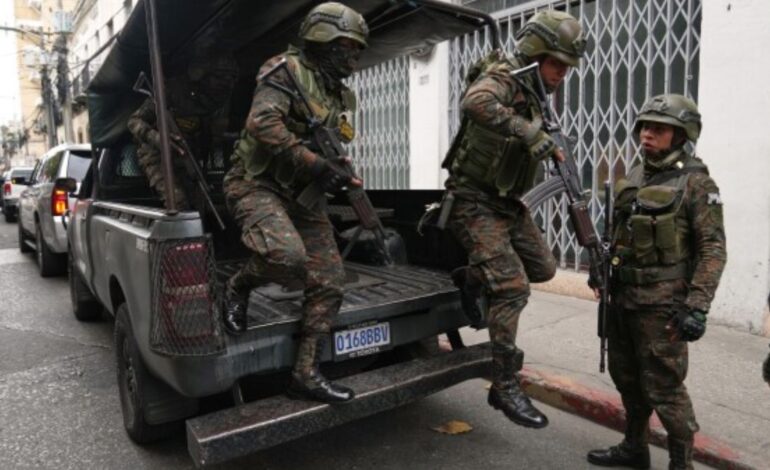

The streets of Guatemala City were eerily quiet on Monday, a palpable mix of fear and grief hanging in the air. This somber atmosphere marked the first day of a 30-day state of emergency declared by President Bernardo Arévalo, a drastic response to a wave of violence that has shocked the Central American nation.
The crisis erupted over the weekend, triggered by a prison mutiny. Inmates at three penitentiaries, demanding the transfer of gang leaders to less restrictive facilities, took 45 guards and a psychiatrist hostage. On Sunday, security forces stormed the prisons, regaining control and capturing Barrio 18’s alleged leader in Guatemala, known as “El Lobo” (The Wolf).
The gang’s retaliation was swift and brutal. Suspected members launched coordinated attacks on police stations and patrols, killing nine police officers in total. The profound loss sent shockwaves through the country, leading to a national memorial where President Arévalo, dressed in black, comforted grieving families.
A Stark Reality and a Regional Echo
The violence lays bare the formidable power of gangs like Barrio 18 and its rival, MS-13, within Guatemala. These groups, designated as terrorist organizations by the United States, are implicated in drug trafficking, extortion, and now, direct assaults on the state. The incident also highlights a chronic regional problem: the ability of incarcerated gang leaders to continue directing criminal empires from behind bars, often with corrupt assistance.
In the wake of the tragedy, a stark sentiment is rising among some citizens. Speaking to the press, an elderly man voiced a brutal prescription: “A criminal caught, a criminal killed.” Another, a young shopkeeper, pointed to neighboring El Salvador as a model, citing the dramatic drop in violence under President Nayib Bukele’s severe crackdown, despite international condemnation of its human rights record.
The Path Forward
President Arévalo’s state of emergency grants expanded powers to police and the military to confront organized crime. However, the path forward is fraught with difficult questions. Can Guatemala dismantle these deeply entrenched networks? Will it pursue a path of overwhelming force, or seek a strategy that balances security with judicial integrity and human rights?
The government has already sought assistance from the FBI to track escaped gang leaders, indicating the scale of the challenge. As soldiers await their orders and a nation mourns its protectors, Guatemala stands at a perilous crossroads. The quiet streets are not just a sign of compliance with emergency measures, but a testament to a population desperate for lasting peace and security, searching for answers in a region where solutions have proven tragically elusive.
Also Read:
Water Crisis Deepens as Israeli Settlers Disrupt Wells Near Ramallah
Egypt–Ethiopia Nile Water Conflict: Trump Steps In as Mediator