



Flash Floods Kill 21 People in Moroccan Coastal Town

- PublishedDecember 15, 2025
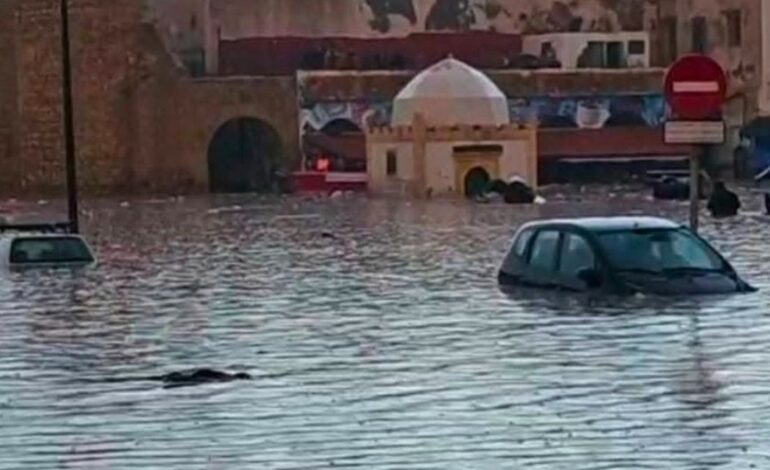
The coastal town of Safi, known for its historic medina and bustling port, was shattered on Sunday. Without warning, a torrent of muddy water surged through its streets, sweeping away cars and debris in a violent flash flood that claimed at least 21 lives. For residents, it was a “black day” that laid bare a cruel paradox: a nation enduring its seventh year of severe drought was suddenly brought to its knees by too much water, too fast.
The Sudden Deluge
The disaster struck with frightening speed. Heavy, relentless rain transformed the town’s streets into raging rivers. Social media images captured the terrifying force of the flood—brown water gushing through narrow lanes, carrying vehicles and rubbish bins like toys. The historic old city, a UNESCO World Heritage site contender, was among the hardest hit, with at least 70 homes and businesses submerged. The water’s force damaged roads, cutting off vital routes to and from the Atlantic port.
By evening, as the waters receded, a grim landscape emerged. Residents were left to sift through thick layers of mud, salvaging what belongings they could from their damaged homes and shops. The human cost was severe: 32 people were injured and rushed to hospital, though most have since been discharged. Rescue teams continued to search for any further casualties in the aftermath.
A Nation of Climate Contrasts
This tragedy strikes at the heart of Morocco’s current climate crisis. The General Directorate of Meteorology confirmed that 2024 is the country’s hottest year on record, even as it suffers an average rainfall deficit of nearly 25 percent. For seven years, communities have grappled with punishing drought, dwindling water reserves, and its impact on agriculture.
This extreme drought sets the stage for greater disaster when the rains finally come. Parched, hardened soil cannot absorb water quickly, turning even moderate rainfall into immediate runoff. Climate scientists explain that a warmer atmosphere holds more moisture, and warmer seas energize weather systems, leading to more intense and unpredictable storms. This flash flood is a stark example of that volatile new reality.
Questions in the Mud
In the aftermath, alongside grief, came questions. Resident Marouane Tamer voiced a frustration felt by many, asking why government trucks had not been deployed sooner to pump out the floodwaters. The event tests local infrastructure and disaster response in a region where such sudden, catastrophic flooding is becoming less of a rarity.
With the national weather service forecasting more heavy rain across Morocco this Tuesday, communities are left anxious. The event in Safi serves as a devastating reminder that climate change is not a distant threat but a present danger, manifesting in whiplash between extreme scarcity and overwhelming abundance.
The people of Safi now face a long recovery, picking through the mud-sodden remains of their homes. Their loss underscores a urgent, global challenge: building resilience in a world where the climate script has been rewritten, bringing both relentless drought and devastating flood to the same door.
Also Read:
Historic Rains in Washington State Lead to Severe Flooding and Rescue Efforts
US Forces Raid Ship Bound for Iran Amid Rising Gulf Tensions