



Latest Facts and Updates on the Strait of Hormuz Reopening
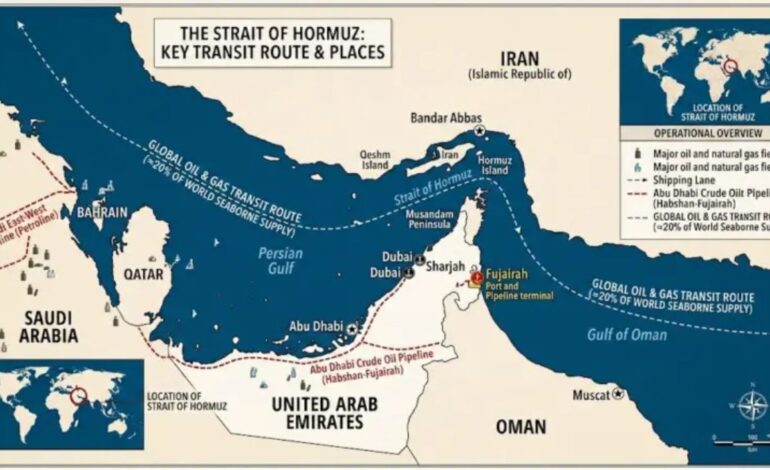

The Strait of Hormuz has officially reopened under a two-week ceasefire agreement, but shipping flows remain sluggish despite the diplomatic breakthrough. Only two vessels have transited since Iran agreed to reopen the vital waterway, revealing just how constrained and conditional the passage remains.
The Historic Disruption
One-fifth of the world’s crude oil and liquefied natural gas normally passes through the Strait of Hormuz during peacetime. The five-week closure that began February 28 created the most severe supply disruption in global oil market history.
Daily oil flows through the Strait collapsed from approximately 20 million barrels before the war to roughly 2.6 million barrels per day since March 1. Of the 307 ships that crossed between March 1 and April 7, the vast majority were heading east toward the Gulf of Oman, and six out of ten involved cargo from or destined for Iran.
The Backlog
Around 800 ships remain stuck in the Arabian Gulf, unable to move their cargo. As of April 7, roughly 172 million barrels of crude and refined products were aboard approximately 187 tankers still at sea. Shipowners are cautiously preparing to move their stranded vessels now that the ceasefire offers a potential window.
The Slow Restart
Since the ceasefire took effect, only two ships have passed through the Strait. The Greek-owned bulk carrier NJ Earth and the Liberian-flagged Daytona Beach crossed after Iran agreed to reopen access. This represents a stark contrast to peacetime averages of around 135 daily transits.
“While the ceasefire creates a window for transit, flows remain conditional and operationally constrained,” according to maritime data provider Kpler.
Iran’s “Toll Booth”
Rather than reopening the main shipping lanes, Iran has directed vessels through an alternative route near Larak Island off Iran’s coast—what shipping analysts have dubbed the “Tehran Toll Booth.”
Evidence suggests some shipping companies have paid Iran for passage permission, while others have gained transit through diplomatic negotiations. This selective control effectively gives Iran the ability to extract fees and determine which ships proceed.
Continuing Threats
Despite the ceasefire agreement, attacks on commercial vessels have not ceased entirely. Iran’s Revolutionary Guards claimed three attacks on ships since Saturday, with at least one confirmed by the International Maritime Organization.
The Marshall Islands-flagged Qingdao Star was struck Tuesday by an “unknown projectile,” sustaining damage above the waterline. In total, 30 commercial ships have been attacked or reported incidents since March 1, including 13 tankers.
The Path Forward
The resumption of shipping will depend on whether Iran maintains its commitment to the ceasefire and whether shippers gain confidence in safe passage. The current flows remain a fraction of peacetime levels, indicating that full economic normalization remains distant.
Analysts caution that the composition and scale of the backlog suggest crude oil will lead the initial wave of exports, but the opaque transit patterns and selective passage conditions will continue to complicate market stability and visibility.
The coming weeks will reveal whether the ceasefire enables genuine normalization of shipping flows or merely establishes a new equilibrium where Iran exercises ongoing control over this critical global waterway.
Also Read:
Two Injured in Bahrain Drone Strike Linked to Iran
Tragedy in Lebanon: Man Hunts for Family Mementos in Bombed Home