




Extreme Winter Conditions Hit Russia with Snowfall Not Seen in 200 Years
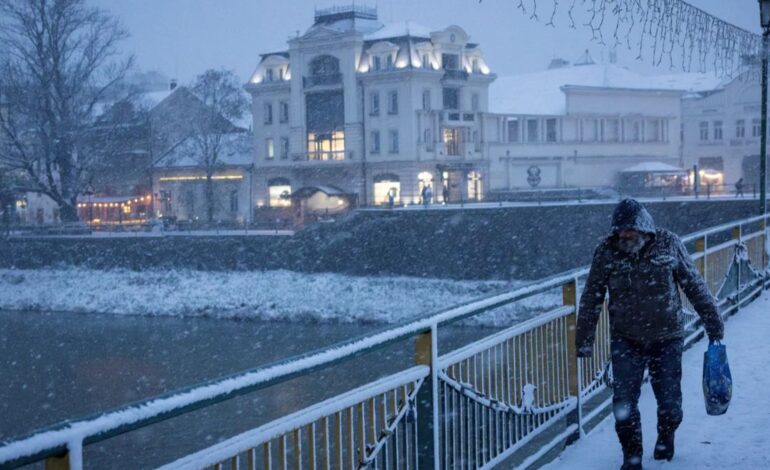

This week, the familiar winter chill of Moscow transformed into a scene from the history books. Meteorologists from Moscow State University announced that the Russian capital has experienced its heaviest snowfall in over two hundred years. For a city accustomed to harsh winters, this event has been extraordinary, bringing both wonder and significant disruption to its 13 million residents.
By January 29th, nearly 92 millimeters of precipitation had fallen—a dry scientific measurement that translated into a cityscape buried under snow piles reaching 60 centimeters (24 inches) high. Streets in the central district became challenging obstacle courses, with pedestrians navigating deep, heavy drifts. The fallout was widespread: commuter trains faced lengthy delays, and evening traffic ground to a halt in long, stubborn jams.
The Science Behind the Snow
According to the university’s observatory, this historic event was driven by “deep and extensive cyclones with sharp atmospheric fronts” passing repeatedly over the Moscow region. These powerful weather systems delivered an unrelenting series of snowfalls throughout January, making it both an unusually cold and exceptionally snowy month.
The phenomenon underscores the dramatic difference between precipitation measurements and what residents experience on the ground. Snow, being mostly air, accumulates into depths far exceeding the recorded water equivalent, resulting in the stunning visual of a city half-buried.
A City of Contrasting Memories
The record-breaking weather has sparked mixed feelings among Muscovites. While younger residents grapple with unprecedented conditions, some older generations view it through a different lens. Pavel, a 35-year-old bartender, remarked to AFP that while the snowfall is substantial, it pales next to his childhood memories of even heavier winters, expressing a sense of “emptiness” in the dark season. His comments highlight a poignant contrast between recorded history and personal memory, and perhaps a longing for winters of old.
A Nationwide Pattern of Extremes
Moscow is not alone in facing extreme winter conditions. Earlier this month, Russia’s far-eastern Kamchatka region declared a state of emergency after a massive snowstorm paralyzed its major city. Circulated images showed surreal scenes of snow reaching second-story windows and residents tunneling through streets to reach their buried cars.
Together, these events paint a picture of a nation grappling with significant winter extremes. From the European capital to the Pacific coast, communities are being tested by snowfall of a magnitude not seen for generations.
As Moscow slowly digs out, the event serves as a powerful reminder of nature’s capacity to shape daily life and rewrite urban history. The record of 203 years has been broken, leaving behind a transformed, silent city of white and a new benchmark for Russian winters.
Also Read:
Why the US Has Increased Airstrikes in Somalia
Streets of Minneapolis Stay Tense Despite Trump’s Call for Calm