


Why Europeans Want Clear Answers on Trump’s Iran War Plan Before Sending Warships

BRUSSELS – European countries are pressing for more details on President Donald Trump’s military strategy against Iran before agreeing to send warships to the Arabian Gulf, reflecting widespread caution about the conflict among US allies.
At a meeting of EU foreign ministers Monday, German Foreign Minister Johann Wadephul called for clarity on when the US and Israel would consider their military objectives achieved. “We need more clarity here,” he said. Estonian Foreign Minister Margus Tsahkna added that European allies need to understand Trump’s “strategic goals. What will be the plan?”
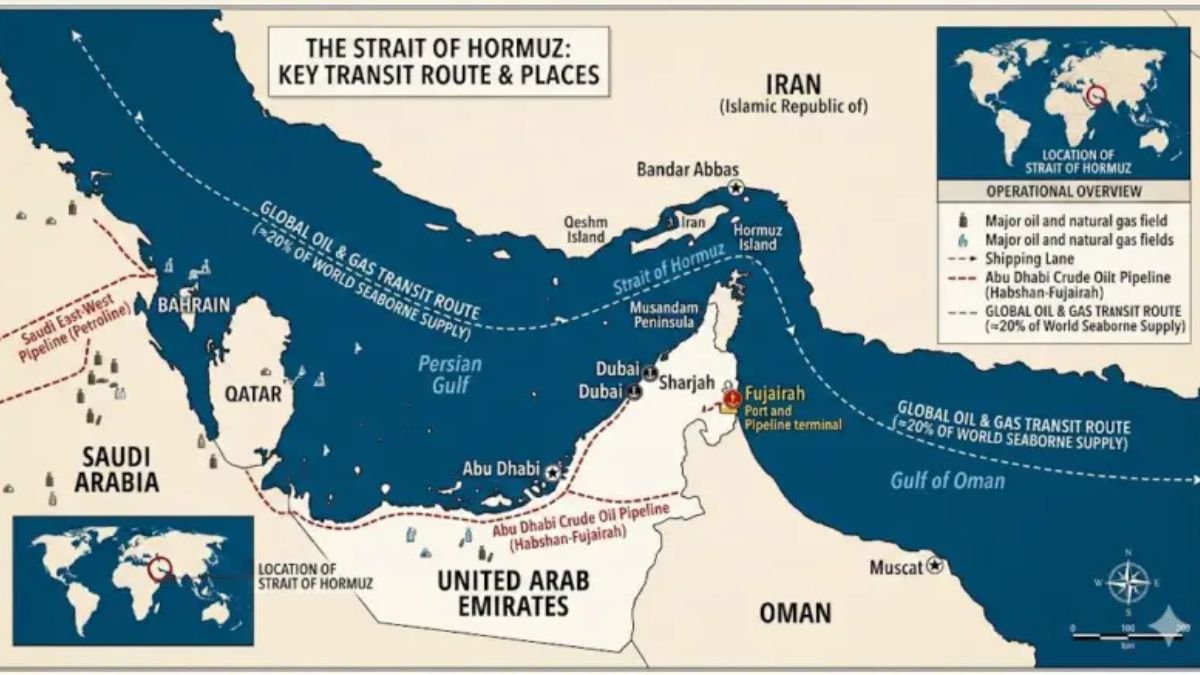
Trump has asked partners including France, Britain, Japan, and South Korea to help secure the Strait of Hormuz for global shipping. He said he was talking to “about seven” countries but provided no timeline for forming a coalition.
The cautious response reflects frustration over being kept in the dark. Allied leaders largely learned of the US-Israeli air campaign against Iran only after it was launched on February 28. UK Prime Minister Keir Starmer stressed that Britain “will not be drawn into the wider war” and said military action requires legal grounding and proper planning.
German Chancellor Friedrich Merz was blunt, stating that “NATO is a defensive alliance, not an interventionist one. And that is precisely why NATO has no business being involved here.” He added that despite opposition to Iran’s government, “bombing it into submission is, in all likelihood, not the right approach.”
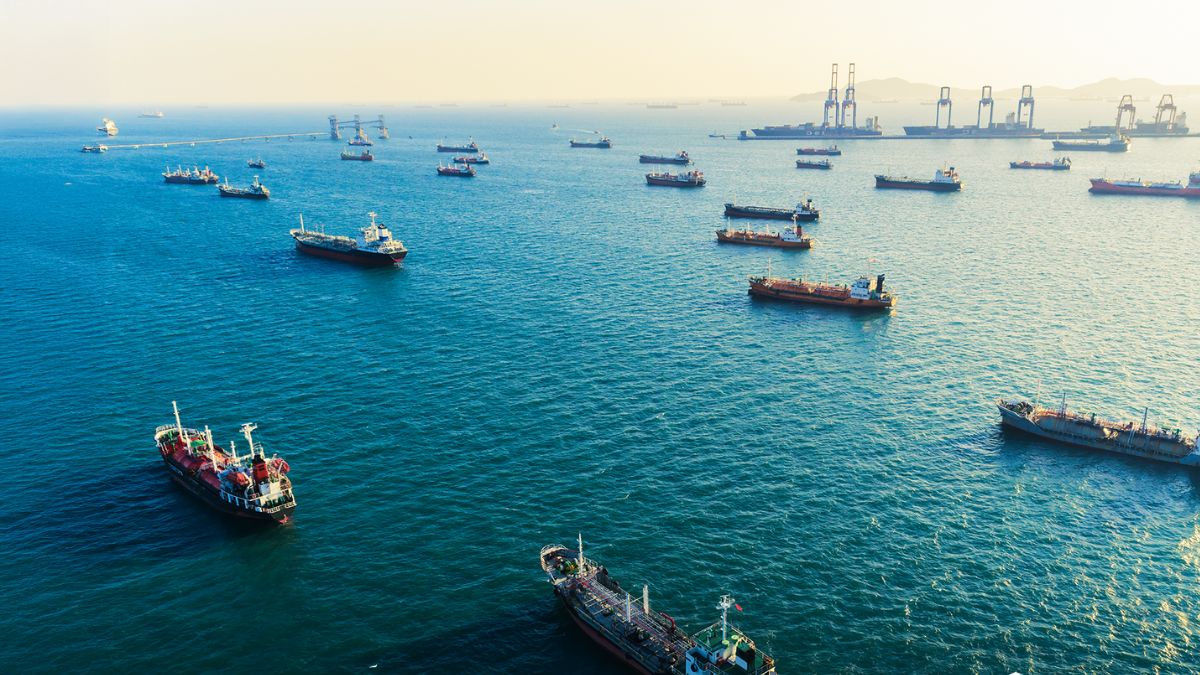
The war has disrupted global commerce. Brent crude oil prices have risen more than 40 percent, and cargo ships are either stuck in the Gulf or making longer detours around Africa. Pharmaceuticals, semiconductors, and fertilizers from the region face supply chain disruptions.
France is exploring escort missions for shipping but only when “circumstances permit” and fighting has subsided. Some European nations, including the Netherlands, Italy, and Greece, have expressed interest, but no formal commitment has been made.
Retired Lt. Gen. Ben Hodges noted that most European leaders view the conflict as “a war of choice by the United States” and question whether their militaries should participate, despite recognizing the importance of keeping vital shipping lanes open.
Also Read:
Japan Sets Strict Conditions Before Sending Warships to Protect Gulf Oil Routes
Millions in Vietnam to Vote for a New Legislature in Upcoming National Election