


EU Mission to Ukraine Pipeline: How Politics is Creating an Information Gap
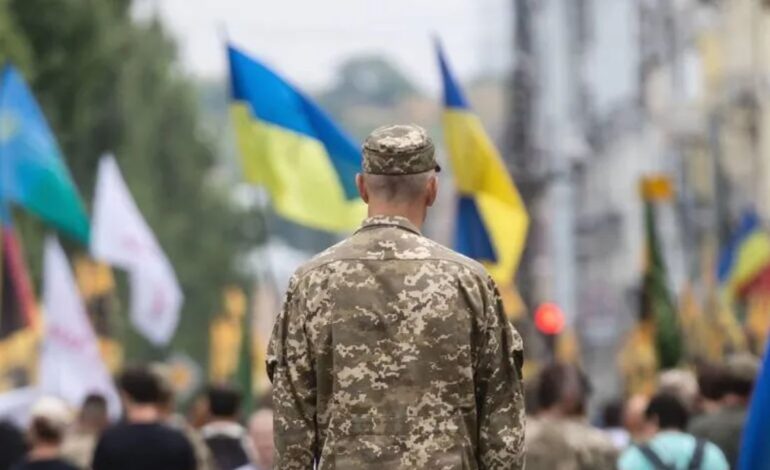

An EU fact-finding mission tasked with assessing damage to a critical oil pipeline in Ukraine has vanished from public view, replaced by official silence that analysts say reflects broader political calculations rather than security concerns.
The Missing Mission
Announced in March, the EU mission arrived in Kyiv approximately three weeks ago to examine the Druzhba pipeline, a major conduit carrying Russian oil to Hungary and Slovakia. When pressed about the mission’s status, European Commission spokeswoman Anna-Kaisa Itkonen admitted Tuesday: “I do not have information of their whereabouts, where they might be.”
The deliberate opacity has become fodder for Brussels gossip, with the mission described as quasi-mythical.
The Dispute
The Druzhba pipeline became the flashpoint in a high-stakes dispute between Ukraine and Hungary over an EU loan. Hungary blocked 90 billion euros in financing for Ukraine, demanding the pipeline reopen. Ukraine claims Russian strikes damaged the pipeline in January and repair requires time. Hungary’s Prime Minister Viktor Orban counters that Kyiv is deliberately stalling to pressure the country.
The Real Story
Anonymously, EU officials have been more candid. The mission is being stalled by Kyiv, one official told AFP. Yet Brussels is avoiding public acknowledgment of this standoff.
The silence reflects complicated political arithmetic. Most EU nations have abandoned Russian oil to deprive Moscow of revenue, resenting Hungary and Slovakia for continuing purchases. Hungary has alternatives, including supplies through Croatia.
Election Politics
The reticence also reflects broader EU-Hungary tensions. Orban has weaponized the pipeline issue for his domestic election campaign, portraying both Ukraine and Brussels as threats to Hungarian interests. Election day was this week.
According to analysts, the EU’s silence serves a strategic purpose: “Brussels does not want to play into Orban’s hands just a few days before the election by saying that Ukraine is blocking the mission, as that would align with Orban’s narrative that Kyiv is threatening Hungary,” said Andreas Bock of the European Council on Foreign Relations.
The Information Vacuum
Rather than force Ukraine’s hand or publicize the impasse, the EU has chosen opacity. Commission officials cite security concerns in a war zone, but the deeper calculation appears political—avoiding statements that could strengthen Orban’s position domestically while maintaining ambiguity about who is truly responsible for the mission’s paralysis.
The result is a diplomatic standoff shrouded in strategic silence.
Also Read:
Oman Records $665M Trade Surplus as Import Levels Increase
Why Oil Prices Are Climbing Due to the Ongoing US-Israeli War with Iran