


EU Leaders Face Pressure Over Iran War and Hungary’s Block on Ukraine Funding

BRUSSELS – European Union leaders gathered for a summit Thursday to grapple with multiple crises: the escalating Iran war, spiking energy costs, migration concerns, and a standoff over a critical 90 billion-euro loan for war-ravaged Ukraine being blocked by Hungary.
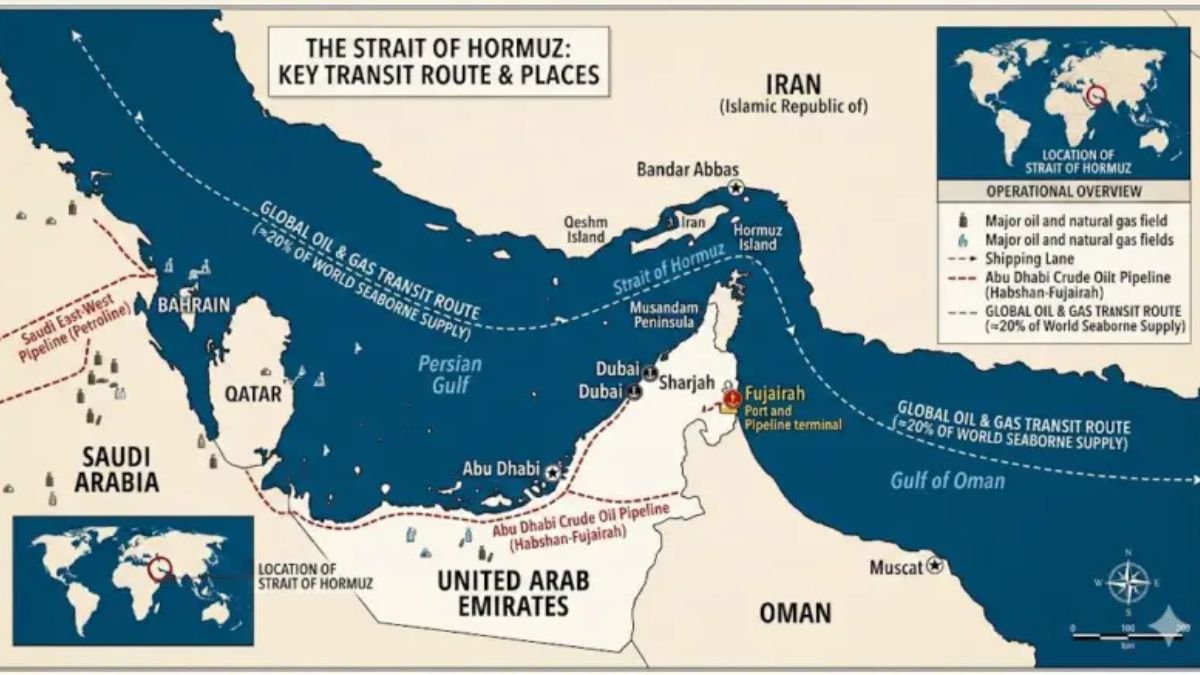
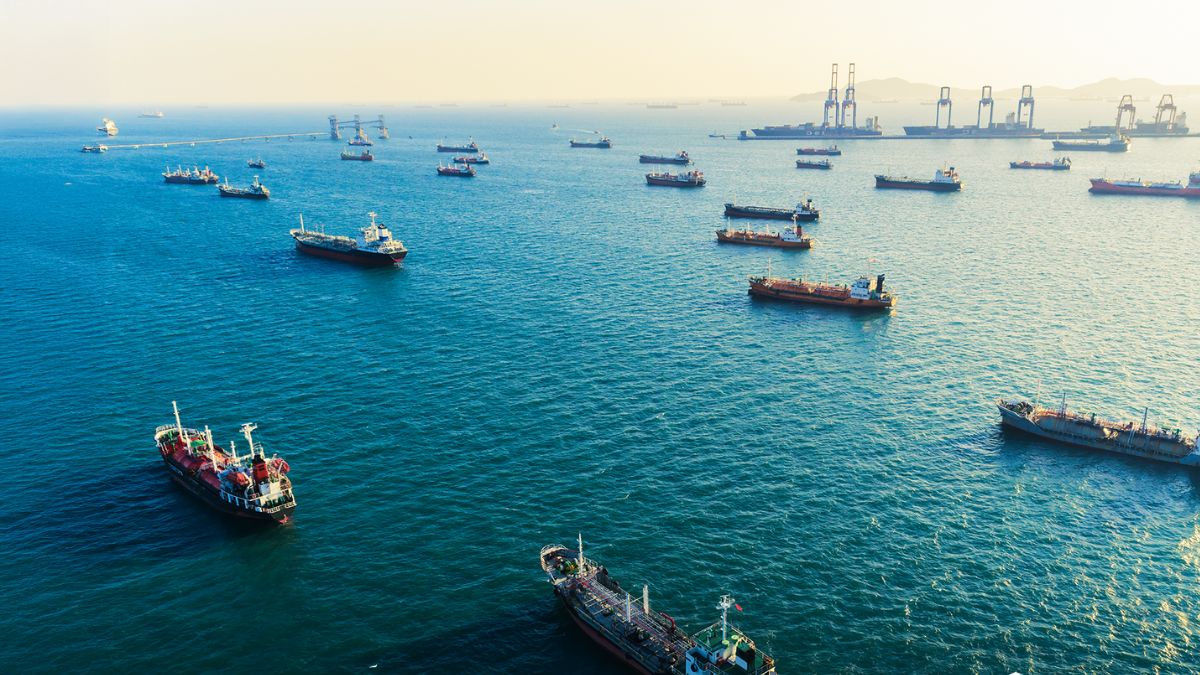
Many EU leaders have resisted US President Trump’s demands to send military assets to secure the Strait of Hormuz, the crucial waterway for global oil, gas, and fertilizer supplies. Rising energy prices from the conflict and fears of a new refugee wave have made the Middle East a top summit priority. The European Commission proposed a “toolbox” of measures to lower energy prices across the bloc’s diverse markets, acknowledging that no single policy will address all markets effectively.
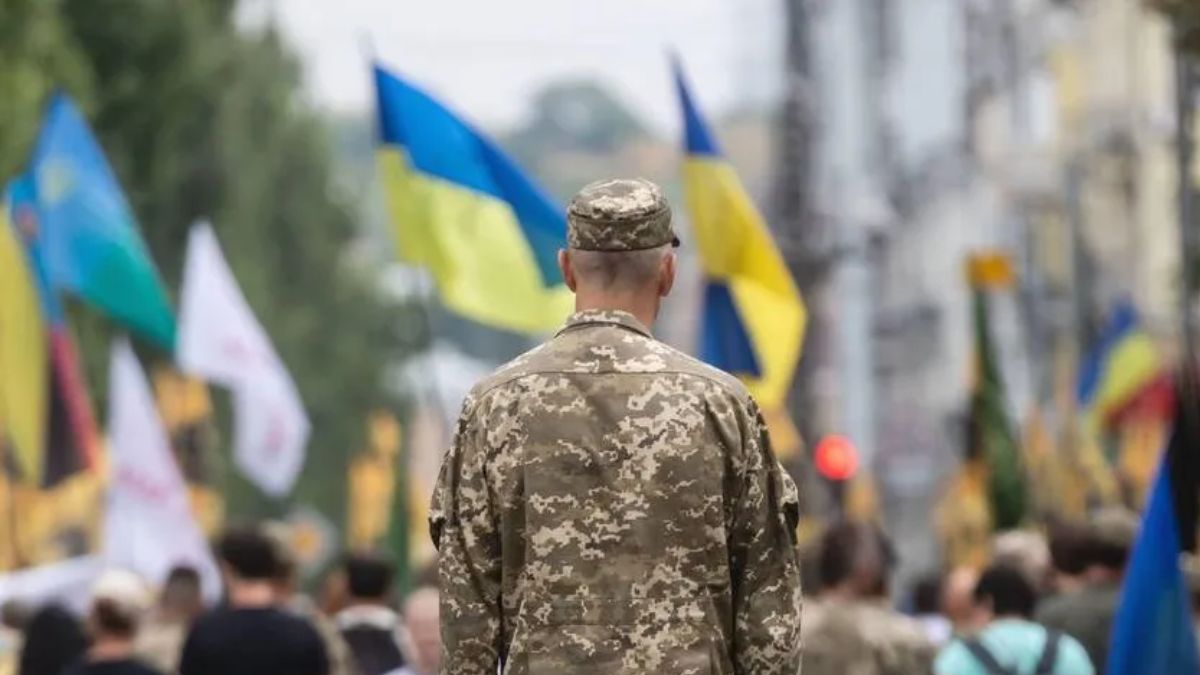
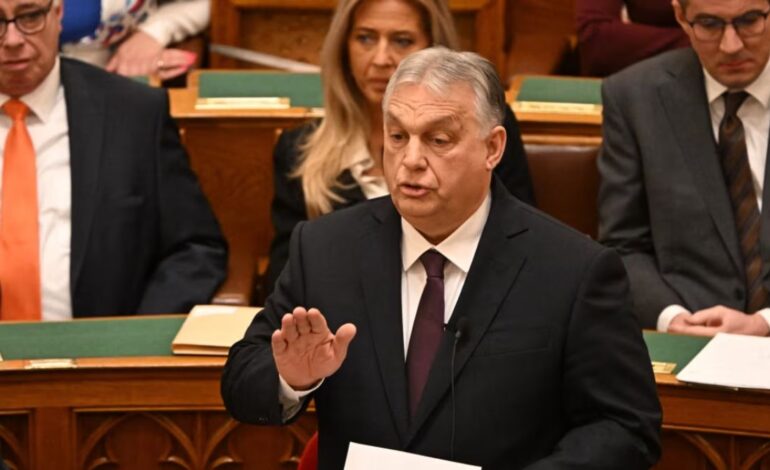
The central dispute involves Hungarian Prime Minister Viktor Orbán’s refusal to approve the loan Ukraine desperately needs to cover budget shortfalls as the country grapples with Russia’s invasion. In December, EU leaders including Orbán agreed to the 90 billion-euro package at a Belgian castle summit. But Orbán reversed course after the Druzhba oil pipeline was disabled in January following what Ukrainian officials attributed to Russian drone attacks.
Orbán, who has led Hungary since 2010 and faces reelection next month, launched an aggressive media campaign blaming Brussels and Kyiv while running an openly pro-Russia campaign. “If there is no oil, there is no money,” he posted on social media Tuesday, using the pipeline disruption as justification for blocking the loan.
Slovakia’s Prime Minister Robert Fico, whose government also holds pro-Russia positions, has similarly obstructed the loan. To break the deadlock, EU leaders and diplomats are pressuring both leaders. European Commission President Ursula von der Leyen offered Tuesday that the EU would pay to repair the Druzhba pipeline and develop alternative fuel lines for Hungary and Slovakia.
Ukrainian President Volodymyr Zelensky called the obstruction “absolutely unfair,” saying Ukraine has no alternative but these funds as it faces a severe budget crisis. “There may be alternatives in terms of financing mechanisms, but there is simply no alternative to strengthening our army,” he said Wednesday.
German Chancellor Friedrich Merz warned that the EU must not allow domestic political calculations to override European solidarity. “We must not take into consideration a single country in the European Union that is currently setting up this blockade,” he told lawmakers, urging swift agreement on sanctions against Russia and the Ukraine loan.
Also Read:
US Farmers Face Rising Fertilizer Costs Amid Iran War Tensions
Ukraine Urges India to Free Citizens Held in Myanmar Drone Activity Case