

Dozens Killed in Sudan Drone Attack: Why South Sudan’s Economic Lifeline Is at Risk
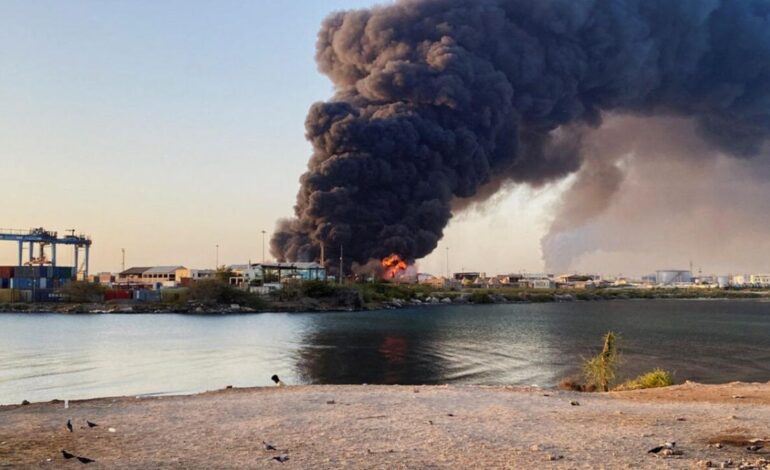

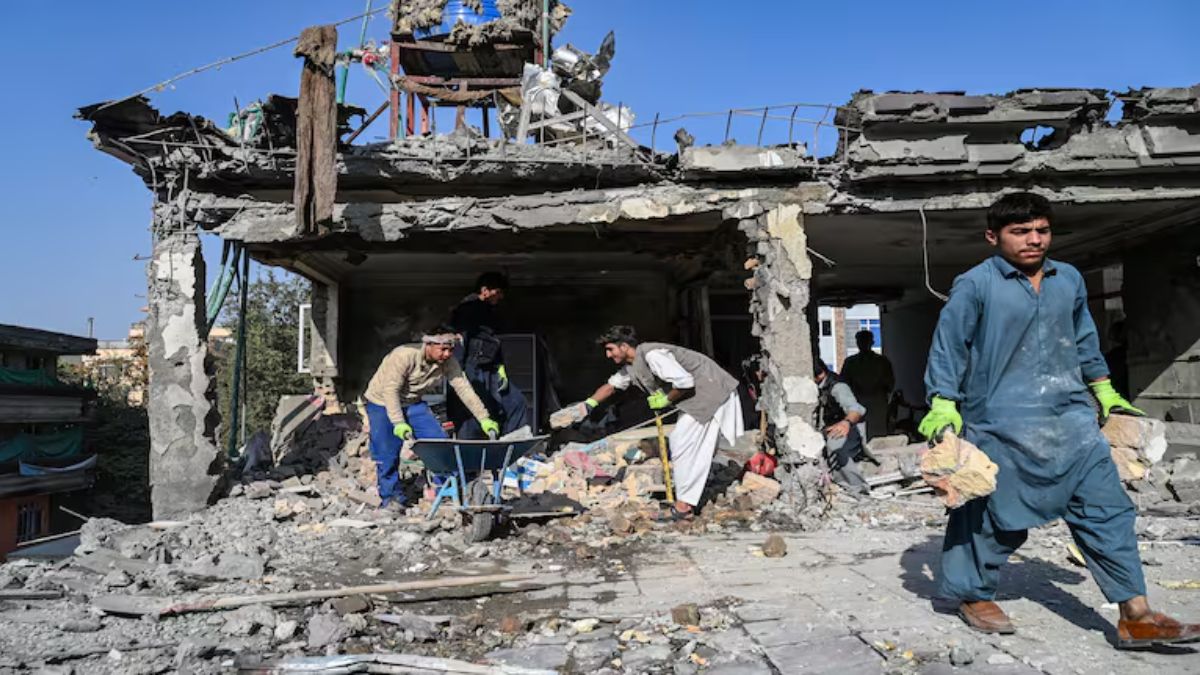
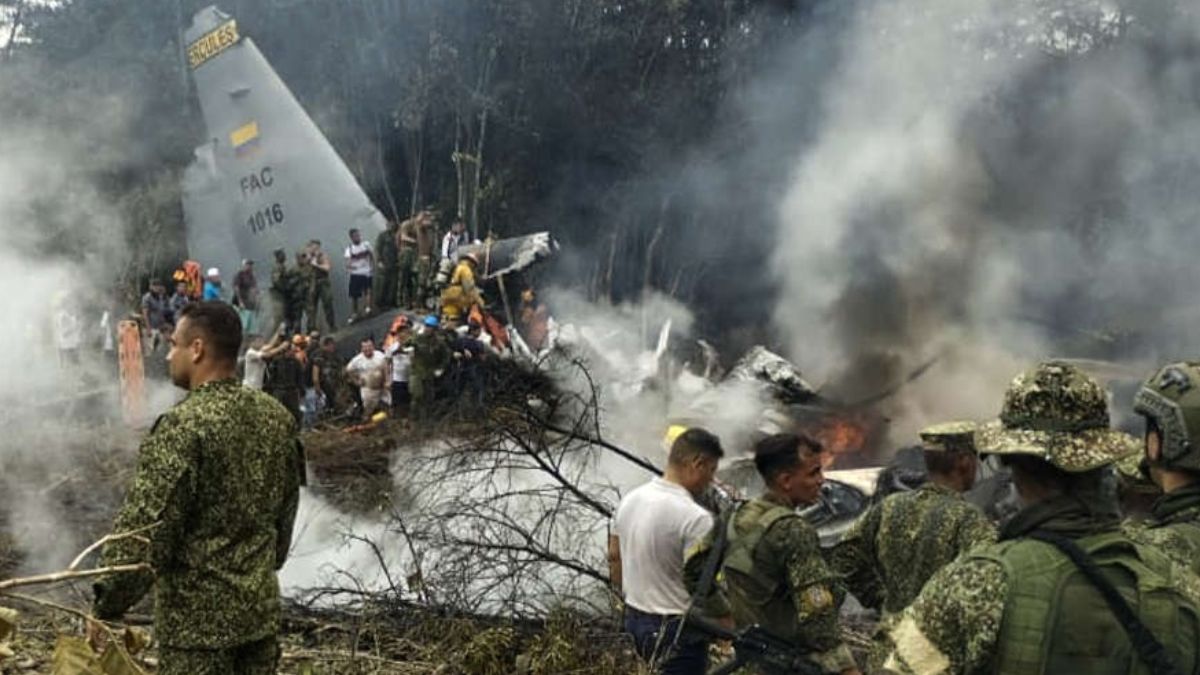
The news from the border between Sudan and South Sudan this week is grim. A drone strike, reportedly carried out by the Sudanese Armed Forces (SAF), hit near the critical Heglig oil processing facility on Tuesday evening. The human cost is severe: dozens are reported killed, including local tribal leaders and, according to the paramilitary Rapid Support Forces (RSF), South Sudanese soldiers. While the exact numbers are still unclear, the attack marks a dangerous and tragic escalation at a site that is far more than just another battlefield.
This isn’t just a story about another clash in Sudan’s devastating civil war, which has already claimed countless lives and displaced millions. For South Sudan, the explosion in Heglig sounds an alarm for its very economic survival.
Why Heglig Matters to South Sudan
To understand the panic in Juba, you must understand the map. South Sudan became independent in 2011, taking with it the majority of the region’s oil reserves. But it has a critical problem: it lacks its own pipelines to the sea. Every barrel of oil it exports must travel through pipelines that run north through Sudan. The Heglig facility, though geographically located in Sudan, is the crucial nexus for processing and pumping South Sudan’s crude.
South Sudan’s entire economy is built on this fragile arrangement. When the pipelines are threatened or shut down, government revenue evaporates overnight. The conflict next door has already caused repeated, crippling disruptions. The capture of Heglig by the RSF on Monday—reportedly without resistance following an SAF evacuation—and the subsequent deadly drone strike have now placed this economic lifeline directly in the crosshairs of active combat.
A Complicated and Dangerous Neutrality
The incident pulls South Sudan deeper into a conflict it insists it wants no part of. The RSF claims South Sudanese soldiers were killed in the strike. South Sudan’s Unity State government confirmed three of its soldiers died. A local commander suggested these forces may have been sent to “secure” Heglig after the RSF takeover.
This creates a diplomatic minefield. South Sudan has repeatedly declared its neutrality. Yet, video from South Sudan’s state broadcaster shows a stunning development: thousands of retreating Sudanese soldiers crossing the border into Rubkona County and surrendering tanks, artillery, and other heavy weapons to South Sudanese forces. Meanwhile, thousands of Sudanese civilians are also flooding across the same border, seeking refuge.
The optics are challenging. Is Juba providing a safe retreat for defeated SAF troops, or is it effectively disarming them? Is it sheltering civilians, or is it, as some accusations suggest, tilting toward the RSF? The drone strike killing its soldiers now puts South Sudan in the painful position of having suffered direct casualties, testing its neutral stance to the limit.
The Broader War: A New Bargaining Chip
The fall of Heglig is part of a broader RSF momentum, following its capture of el-Fasher in Darfur last October. Control of a major state asset like Heglig gives the RSF a powerful potential bargaining chip—not just with Khartoum, but potentially with Juba as well.
Analysts point out that the shadowy world of oil finances makes the immediate economic impact hard to calculate. Who will control the flow? Who will collect the transit fees? In the short term, the greatest risk is a complete shutdown of operations, which would be catastrophic for South Sudan’s bankrupt economy.
The Human Toll at the Heart of It All
Beyond the geopolitics and economics, the scene is one of profound human suffering. Tribal leaders, soldiers, and undoubtedly civilians caught in the wrong place at the wrong time have been killed. The war has already created one of the world’s worst humanitarian crises. This attack at a critical industrial site threatens to further choke the supply lines and revenue needed to address that suffering on both sides of the border.
The drone strike over Heglig is more than a tactical event in Sudan’s war. It is a flare illuminating the precarious existence of its southern neighbor. It underscores how South Sudan’s fate remains inextricably, and dangerously, tied to the violence it hoped it had left behind over a decade ago. As the weapons fall silent near the oil fields, the questions grow louder: How long can this lifeline hold? And what happens if it is cut?
Also Read:
Guinea-Bissau’s Decision to Restrict Transitional Leaders: A Step Toward Fair Governance?
Why Bulgaria’s Court Refused to Extradite the Beirut Blast Shipowner