




Detained Pro-Palestinian Activists Call Off Hunger Strike
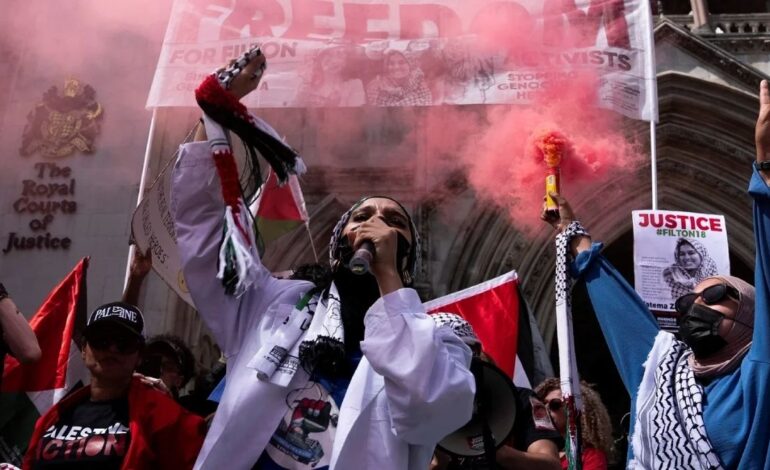

In a tense and deeply worrying standoff, three detained pro-Palestinian activists in Britain have ended their hunger strike. According to the campaign group Prisoners for Palestine, the decision came on Wednesday as the health of some strikers deteriorated to a point of facing imminent death from their protest.
The three individuals had been refusing food in response to their detention and the charges against them. Their cases are intertwined with the now-banned organization, Palestine Action. All have been charged with offenses allegedly carried out on behalf of the group before it was officially designated a terrorist organization by the British government in July.
The specific allegations are serious. Two of the activists are in custody over their alleged involvement in a break-in at an Israeli-linked defense firm last year. The third was among several accused of breaching a military air base in central England and damaging two aircraft, a protest they reportedly carried out against Britain’s support for Israel.
The legal landscape for their supporters has grown increasingly stark. Since the government ban, membership in Palestine Action itself is a crime. This has led to a wave of arrests, with thousands reportedly detained merely for holding signs in support of the now-proscribed group. This context adds a layer of legal and political pressure to the activists’ cases, framing their protest within a broader national security narrative.
The end of the hunger strike brings a temporary sigh of relief, averting a potential tragedy on British soil. However, it does not mark an end to the underlying conflict. It highlights the extreme measures some are willing to take to protest perceived injustices, the severe personal cost of such activism, and the complex collision of protest rights, national security law, and one of the world’s most polarizing geopolitical conflicts.
Their court proceedings will now continue, but their weakened bodies stand as a stark testament to a battle fought not just in courtrooms, but through the most personal form of resistance. The hunger strike may be over, but the deep convictions and the contentious legal and political debates that fueled it remain very much alive.
Also Read:
Senate Rejects War Powers Resolution as Two GOP Members Back Trump
Why the UK Has Scrapped Its Plan for Mandatory Digital Worker IDs?