




Decades of Deforestation: The Hidden Cause Behind the Sumatra Flood Disaster
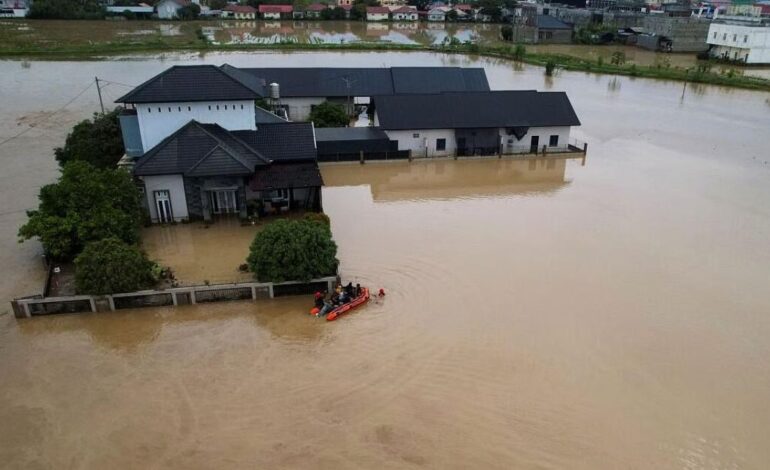

In the wake of the devastating floods and landslides that swept across Sumatra last month, claiming nearly 1,000 lives, a stark image has emerged amid the mud and wreckage: countless logs, some neatly cut, tumbling down swollen rivers. For environmental activists and residents, these floating timbers are not just debris; they are evidence of a human-made catastrophe decades in the making.
The monsoon rains, intensified by a rare tropical cyclone, revealed the tragic consequences of Sumatra’s extensive deforestation. For years, vast swaths of the island’s natural forests have been cleared for mining, palm oil plantations, and pulpwood farms. According to the Indonesian environmental group WALHI, approximately 1.4 million hectares of forest were lost in Aceh, North Sumatra, and West Sumatra between 2016 and 2025 alone, driven by over 600 permit-holding companies.
“When a disaster strikes, we see the evidence today of how deforestation plays a major role in the aftermath,” said Rubama, an empowerment manager at the Aceh-based organization HAKA. She described seeing logs “cut into specific sizes” moving downstream—a clear sign, she says, of illegal forestry practices exacerbating the disaster.
Forests act as a natural defense system. Their complex root structures absorb rainfall, stabilize soil, and slow runoff. Stripping them away leaves slopes exposed and riverbeds choked with sediment. In areas like Batang Toru in North Sumatra, where hundreds of hectares have been cleared for gold mining and energy projects, the recent torrential rains had nowhere to go but straight into communities, carrying with it earth and timber.
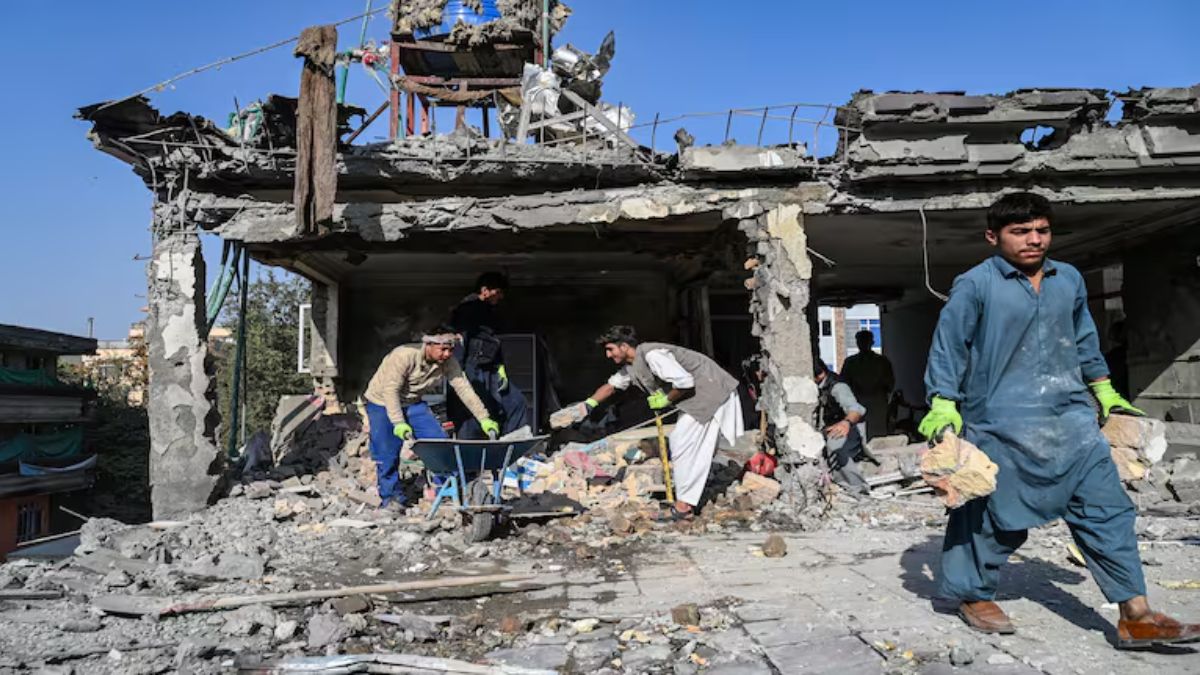
The result was catastrophic: villages were buried or swept away, bridges destroyed, and roads blocked, isolating communities for days and severely hampering rescue efforts. Over 800,000 people remain displaced, and search operations continue for hundreds still missing.
The disaster has ignited public outrage and prompted government scrutiny. Environment Minister Hanif Faisol Nurofiq has announced reviews of existing permits and investigations into companies suspected of worsening land instability. “Our focus is to ensure whether company activities are influencing land stability and increasing risks of landslides or floods,” he stated.
Yet the underlying vulnerability remains. Sumatra’s forest cover now stands at about 24% of the island’s area, far below the 30-33% experts say is needed to maintain ecological balance. This deforestation, combined with the intensifying effects of climate change—which scientists link to the formation of rare tropical cyclones like Senyar near the equator—creates a perfect storm of risk.
As Greenpeace Indonesia’s Kiki Taufik emphasized, the tragedy underscores an urgent need to shift priorities. “Prevention is much more important than disaster management,” he said, calling for greater budget allocation and attention to mitigation, sustainable land use, and strict law enforcement.
The floods in Sumatra are a sobering lesson: natural disasters are often amplified by human choices. The logs floating downriver are more than wreckage; they are a warning sign of what happens when environmental safeguards are sacrificed for short-term gain, leaving communities profoundly vulnerable to the storms of an unstable climate.
Also Read:
Greek Coast Guard Searches for Missing Migrants After Boat Found Adrift
US Judge Reverses Trump-Era Restrictions on Pro-Palestinian Tufts Student