


Day 6 of Iran-Israel Conflict: New Missile Attacks Raise Global Concerns
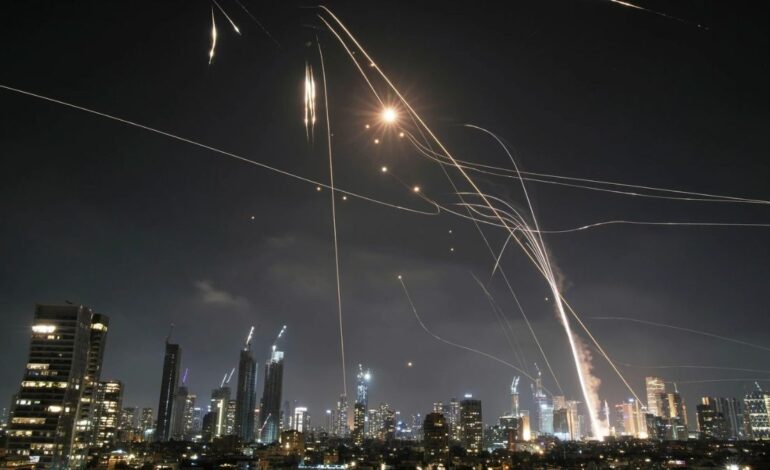

DUBAI — The sirens sounded again in Israel early Thursday. Another barrage from Iran. Another round of interceptors streaking into the night sky. Another day of a war that shows no signs of ending.
Six days since US and Israeli forces launched their campaign against Iran, the conflict has expanded, deepened, and defied every attempt to contain it. A warship lies at the bottom of the Indian Ocean. Missiles rain on multiple capitals. Oil traffic through the Strait of Hormuz has collapsed. And the clerics in Tehran are scrambling to choose a new supreme leader while their country burns.
The Submarine Strike
Tuesday night, an American submarine fired a torpedo. The target: an Iranian warship in the Indian Ocean. The result: 87 bodies recovered by Sri Lankan authorities, 32 crew members rescued, and one less vessel in Tehran’s navy.
US Defense Secretary Pete Hegseth confirmed the strike Wednesday, offering few details but making clear that American forces are not limiting themselves to air campaigns. The sinking represents a significant escalation—direct naval combat between US and Iranian forces, something the region has avoided for decades.
Iran’s response came hours later. Missiles toward Israel. Threats of “complete destruction” of regional military and economic infrastructure. The cycle continues.
The Shifting Battlefield
The geography of this war is unlike any previous Middle East conflict. Missiles cross borders that once defined red lines. Air defenses strain to track threats from multiple directions. And the distinction between front lines and home fronts has collapsed entirely.
In Iran, state television showed ruins of buildings in Tehran and Qom. The mourning ceremony for Supreme Leader Ayatollah Ali Khamenei has been postponed—an unthinkable decision in a culture that honors the dead with elaborate rituals. Millions attended the funeral of his predecessor in 1989. This time, the living are too busy trying to survive.
In Lebanon, more than 70 dead and 80,000 displaced after days of Israeli strikes. The government has banned Hezbollah’s military activities, an extraordinary step that reflects public anger at being dragged into another war. The group’s leader vows to fight on.
In Israel, a dozen dead, schools closed, workplaces restricted. The Home Front Command announced Thursday it would ease some restrictions—workplaces can reopen if shelters are nearby—but the sirens keep sounding.
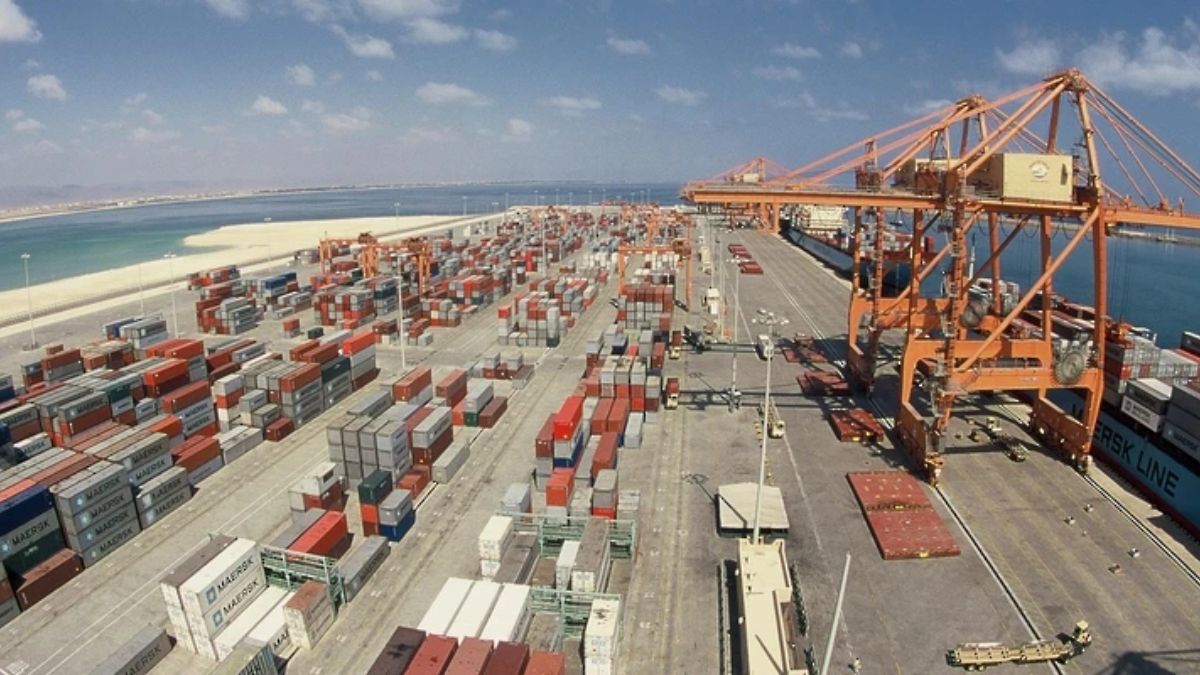
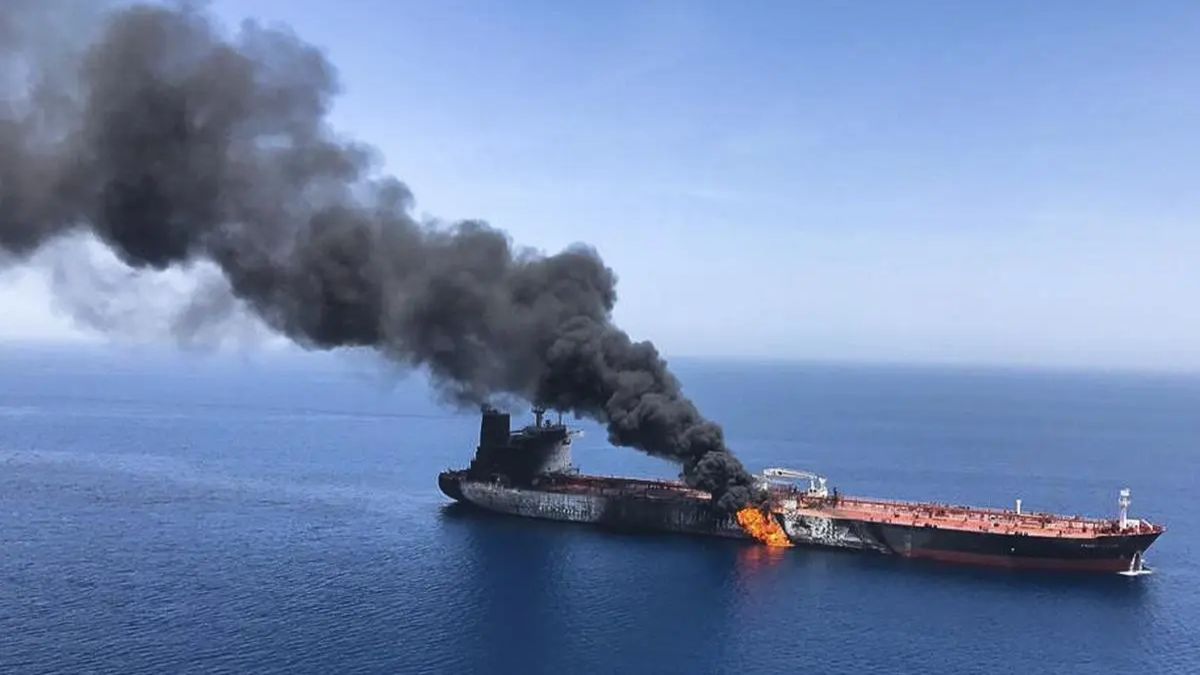
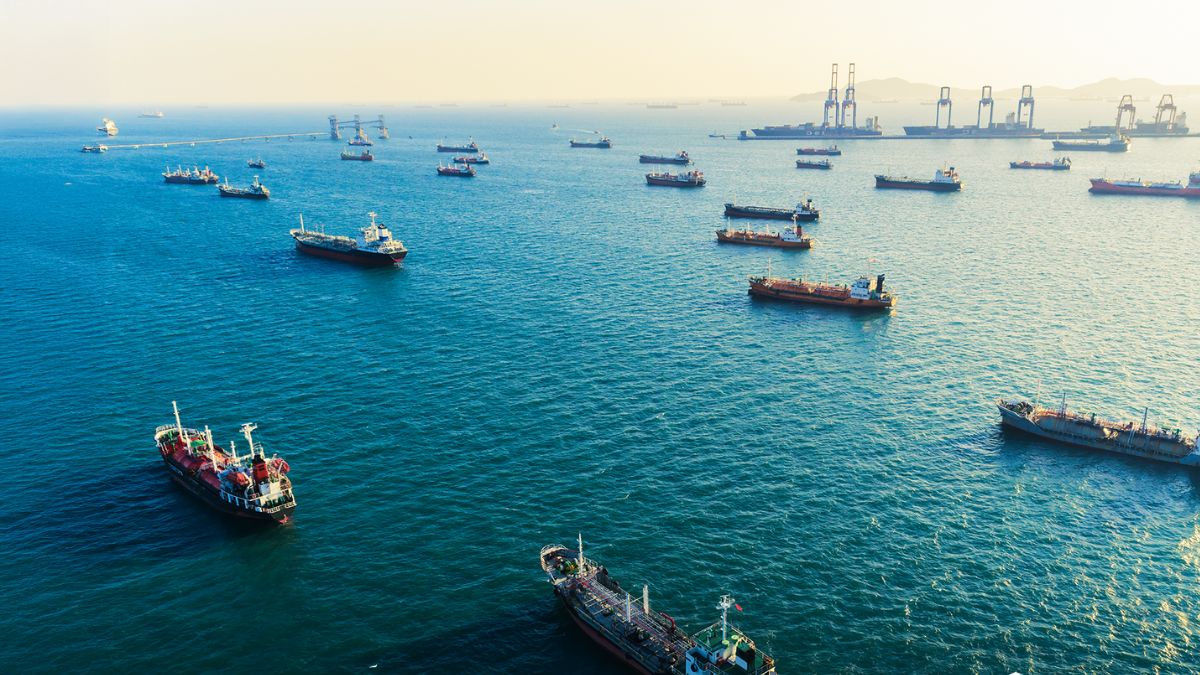
And in the waters off Iran, shipping has ground to near-halt. Tanker traffic through the Strait of Hormuz has fallen by 90 percent compared to prewar levels. Oil prices have jumped beyond $80 a barrel and could go much higher. A Maltese-flagged container ship was hit by two missiles Wednesday while transiting the strait. Its 24 crew members were rescued. The fire was extinguished. The message was received.
The Numbers Mount
The human toll is becoming clearer, though still incomplete.
Iran’s Foundation of Martyrs and Veterans Affairs reports at least 1,045 killed. The strikes have targeted military installations, security force buildings, and command centers. But civilian areas have also been hit, and the ruins shown on state television include homes and neighborhoods.
Lebanon’s health ministry reports more than 70 dead, including three killed Wednesday when drone strikes hit two vehicles on a Beirut highway. The Israeli military said it was targeting a Hezbollah member.
Israel reports 11 dead. Six US troops have been killed since the operation began.
The numbers are small compared to past wars—so far. But the conflict is only six days old, and no one believes the killing is finished.
The Leadership Vacuum
In Tehran, the clerics face a challenge they have not confronted since 1989: choosing a new supreme leader while under attack.
Khamenei’s death leaves a void at the heart of the Islamic Republic. The regime has spent decades building institutions designed to survive the loss of any individual, but no amount of institutional design can fully prepare for the moment when the man at the top is gone.
Potential candidates range from hard-liners committed to confrontation to reformists who might seek diplomatic engagement. Mojtaba Khamenei, the late leader’s son, has long been mentioned as a possibility, though he has never held elected or appointed office.
Whoever emerges will face an immediate test: can they hold the regime together while missiles fall and proxies waver? The head of the judiciary has already warned that “those who cooperate with the enemy in any way will be considered an enemy”—a sign that the leadership intends to consolidate power ruthlessly.
Israeli Defense Minister Israel Katz has issued his own warning: Iran’s next supreme leader, if he continues to threaten Israel and the US, “will be a target for elimination.”
The American Calculus
In Washington, the mood is confident. President Trump praised the military Wednesday for “doing very well on the war front, to put it mildly.” Republicans in the Senate voted down a resolution seeking to halt the war. The administration projects an open-ended commitment.
But the timelines keep shifting. Defense Secretary Hegseth declined to offer a definitive schedule. “You can say four weeks, but it could be six. It could be eight. It could be three,” he said. “Ultimately, we set the pace and the tempo.”
Adm. Brad Cooper, the top US commander in the Middle East, described progress: damaged air defenses, destroyed missiles and launchers, degraded Iranian capabilities. But progress is not victory, and degradation is not defeat.
White House press secretary Karoline Leavitt offered new details on the decision to launch the operation. Concern that Iran might strike American personnel first. A phone call between Trump and Israeli Prime Minister Benjamin Netanyahu that was “important with respect to the timeline.” And protests inside Iran that put unprecedented pressure on the regime.
The suggestion is clear: Washington saw an opportunity and took it.
What Comes Next
Six days in, the war has defied easy categorization. It is not a limited strike campaign, but not yet an all-out regional conflagration. It has drawn in Lebanon, Iraq, and the Gulf states, but not yet triggered the broader war that analysts fear.
The proxies are active but restrained. Hezbollah fires but calibrates. Iraqi militias claim attacks but cause limited damage. The Houthis threaten but hold back. Iran’s network is under pressure, but it has not collapsed.
The question for Day 7 is whether that balance holds. Another missile barrage. Another round of strikes. Another warship sunk. Each escalation carries the risk of miscalculation, of crossing a line that cannot be uncrossed.
For now, the people of the region live by the siren and the news alert. They count the dead and hope the living remain safe. They watch the skies and wonder what comes next.
Six days in, no one knows the answer.
Also Read:
Why Israel Responded with Strikes After Hezbollah’s Rocket Attack
Brave New World: How Countries Around the Globe Are Regulating AI