

Congo Refugees Share Heartbreaking Stories as War Starts Again
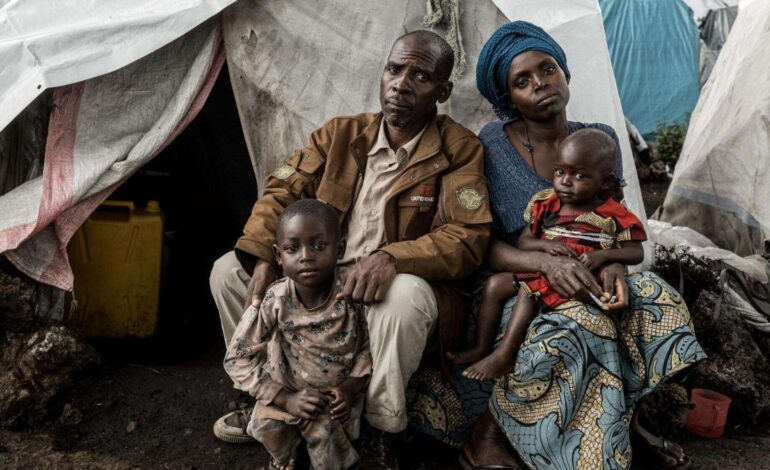

In a refugee camp nestled amid the serene tea plantations of western Rwanda, the fresh wounds of war are raw. Thousands of Congolese who fled a renewed offensive in eastern Democratic Republic of Congo now recount stories of shattered families, neighbors massacred, and a desperate scramble for survival that has left children lost and homes obliterated.
“I have 10 kids, but I’m here with only three. I don’t know what happened to the other seven, or their father,” says Akilimali Mirindi, 40, her voice heavy with despair. Her home in Kamanyola was destroyed by bombs, forcing her to flee across the border into Rwanda, stepping over corpses along the way.
This surge in violence comes despite a high-profile peace deal brokered by U.S. President Donald Trump on December 4, which brought together the presidents of Rwanda and the DRC. Even as they met, the M23 armed group—backed by Rwanda according to UN experts—was advancing, capturing new territory including the key border city of Uvira. The offensive has displaced thousands, with many civilians caught between M23 fighters, Congolese army forces, and their Burundian allies.
In the Nyarushishi camp, the atmosphere is one of exhausted resignation. Thomas Mutabazi, 67, reflects bitterly on the failed diplomacy: “It’s clear there is no understanding between Kagame and Tshisekedi… If they don’t reach an understanding, war will go on.” He describes a nightmare of bombs “raining down on us from different directions,” forcing families to abandon everything.
For some, this flight is a cruel repetition. Jeanette Bendereza, 37, had already fled to Burundi earlier this year, returning only when she heard peace had been restored. “We found M23 in charge,” she says. When the bombing started again, she ran with her neighbors, losing her phone and all contact with her husband in the chaos.
The human cost is staggering. Olinabangi Kayibanda, 56, recalls the moment he knew he had to leave: “We started seeing people dying and others losing limbs due to bombs… even children were dying.” He recounts witnessing a pregnant neighbor and her two children killed when their house was hit.
Aid organizations like the UN and World Food Programme provide essential support in the camp, but they cannot mend the profound trauma or answer the agonizing questions of separated families. These refugees carry with them not just the scars of violence, but the crushing weight of uncertainty—about missing loved ones, destroyed livelihoods, and a future held hostage by a conflict that peace accords have, so far, failed to end.
Also Read:
What Could US Sanctions Mean for the UN Palestinian Refugee Agency?