





Coffee Regions Face More Days of Extreme Heat, Scientists Warn
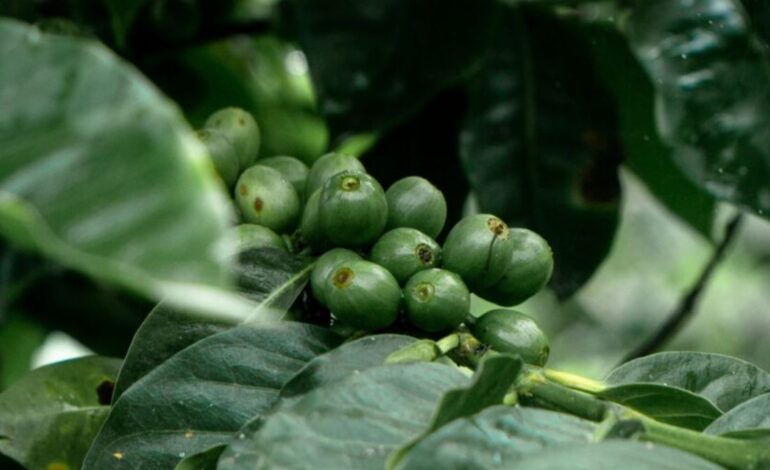

The world’s morning ritual is under threat. An analysis released Wednesday by independent research group Climate Central reveals that major coffee-growing regions are experiencing significantly more days of extreme heat each year—a trend driven by climate change that threatens harvests and contributes to rising prices.
Between 2021 and 2025, the 25 countries that produce nearly all the world’s coffee experienced an average of 47 additional days of harmful heat per year compared to what would have occurred without carbon pollution. For the top five producers—Brazil, Vietnam, Colombia, Ethiopia, and Indonesia, which together supply 75 percent of global coffee—the average was even higher: 57 extra days of temperatures exceeding 30 degrees Celsius.
Why Temperature Matters
Coffee cultivation requires specific conditions to thrive. Optimal temperatures and rainfall patterns have shaped where coffee can be grown for centuries. When temperatures climb too high, plants suffer.
According to Climate Central, temperatures above 30 degrees Celsius are “extremely harmful” to arabica coffee plants—the species prized for its smooth, complex flavor—and “suboptimal” for robusta, the hardier variety often used in instant coffee and espresso blends. These two species account for the vast majority of global coffee supply.
“Climate change is coming for our coffee,” said Kristina Dahl, Climate Central’s vice president for science. “Nearly every major coffee-producing country is now experiencing more days of extreme heat that can harm coffee plants, reduce yields, and affect quality.”
From Farm to Cup
The consequences of extreme heat do not stop at the farm gate. When harvests shrink or quality declines, prices rise. Those increases ripple through the supply chain, eventually reaching consumers.
US tariffs on imports from Brazil, which supplies a third of coffee consumed in the United States, contributed to higher prices this past year, Climate Central noted. But the research group added that extreme weather in coffee-growing regions is “at least partly to blame” for the recent surge in coffee costs.
Dahl warned that the effects will only become more pronounced over time. “In time, these impacts may ripple outward from farms to consumers, right into the quality and cost of your daily brew,” she said.
The Methodology
Climate Central’s analysis used a straightforward but powerful approach. Researchers estimated how many days each year would have stayed below 30 degrees Celsius in a world without carbon pollution. They then compared those estimates to actual temperatures, revealing the number of hot days added by climate change.
The last three years have been the hottest on record, according to climate monitors, providing ample data for such analysis. The results paint a concerning picture for coffee lovers and producers alike.
Adaptation and the Future
Coffee farmers are not passive victims of these changes. Some are moving to higher altitudes where temperatures remain cooler. Others are experimenting with shade-grown methods that protect plants from direct sun. Breeders are working on more heat-tolerant varieties.
But these adaptations take time and money—resources that many smallholder farmers, who produce the majority of the world’s coffee, lack. And even the most ambitious adaptation efforts may not keep pace with the speed of warming.
For consumers, the message is clear: the cup of coffee that has become an everyday luxury for billions depends on a delicate balance of climate conditions that is rapidly shifting. The extra days of heat accumulating in coffee regions today will eventually find their way into the price and quality of tomorrow’s brew.
As Dahl put it, climate change is coming for our coffee. The question is whether we can adapt quickly enough to keep it.
Also Read:
US Steps In as Moscow and Kyiv Meet for Peace Discussions
Nigeria Political Tensions Rise After Detention of Government Critic