




Why China Opposes Any Attack on Iran’s New Leader and What It Signals to the World
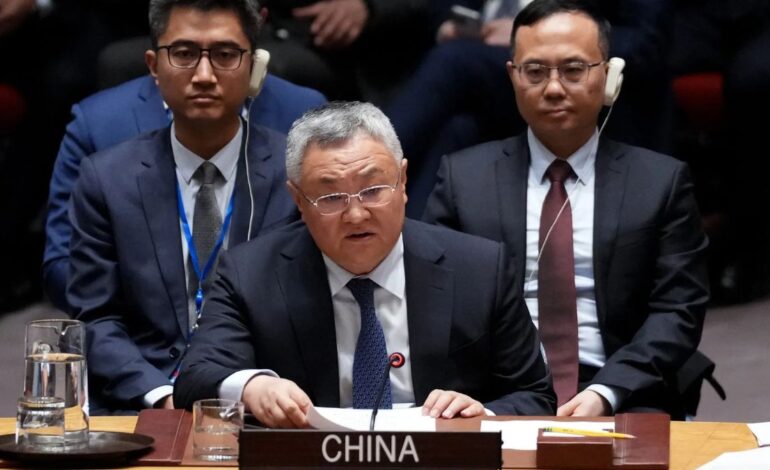

China said Monday that Iran’s appointment of Mojtaba Khamenei as supreme leader is a domestic matter and opposed any targeting of the new leader. The statement signals Beijing’s defense of Iran’s sovereignty amid escalating regional tensions.
China Backs Iran’s Constitutional Process
China’s foreign ministry spokesman Guo Jiakun told reporters that Iran’s decision was “based on its constitution.” He emphasized that the appointment followed proper legal procedures established within Iran’s governmental structure.
The statement acknowledged Iran’s right to make internal leadership decisions without external interference. China framed the succession as a legitimate constitutional process.
Opposing External Threats
“China opposes interference in other countries’ internal affairs under any pretext, and Iran’s sovereignty, security, and territorial integrity should be respected,” Guo said. The statement directly addressed Israeli threats to target the younger Khamenei.
Israel’s military previously warned it would not hesitate to target any successor to the former supreme leader, who was killed in US and Israeli strikes over a week ago.
Strategic Positioning
China’s statement reflects Beijing’s broader Middle East strategy. By defending Iran’s sovereignty, China positions itself against what it views as Western intervention in the region.
The statement comes as tensions escalate between Iran and the US-Israel alliance. China is signaling its opposition to external military targeting of political leaders.
Regional Implications
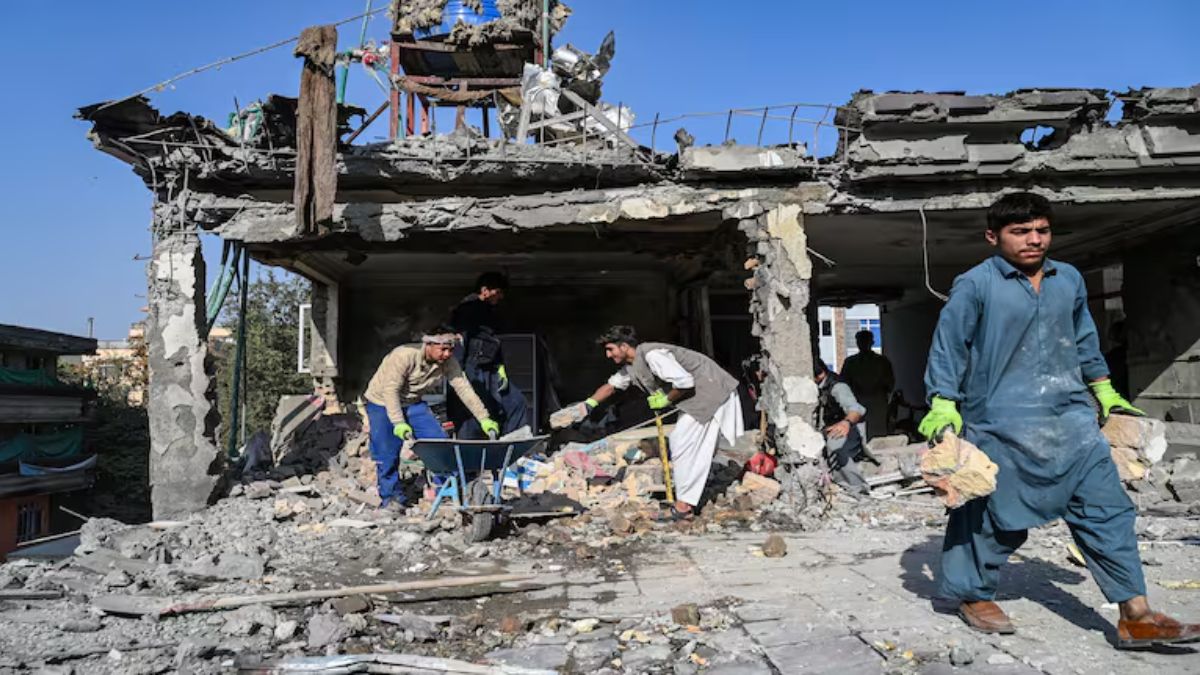
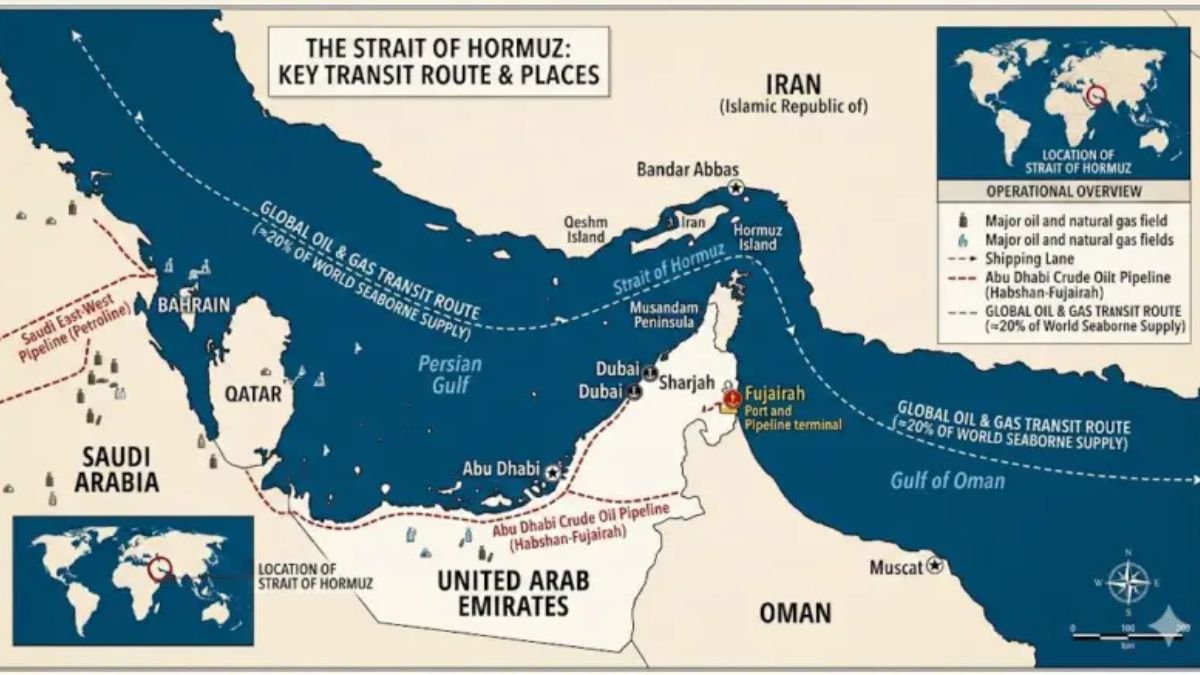
The ongoing conflict features waves of missile and drone attacks from Iran against Israel and US forces in the Gulf. Israel and the United States continue striking Iranian targets in response.
China’s public support for Iran’s leadership may influence other nations’ approaches to the conflict. The statement suggests Beijing will not support military action against Iran’s new leader.
What It Signals Globally
China is reinforcing its principle of non-interference in sovereign affairs. The statement demonstrates Beijing’s willingness to stand with nations facing external pressure, a consistent part of Chinese foreign policy.
The position may complicate diplomatic efforts aimed at de-escalation, as major powers take increasingly distinct positions on the conflict.
Also Read:
Why Israel Responded with Strikes After Hezbollah’s Rocket Attack
What the New 10% Global Tariff Means for Businesses and Consumers