






China Defends UK Embassy Planning Decisions Under Domestic Laws
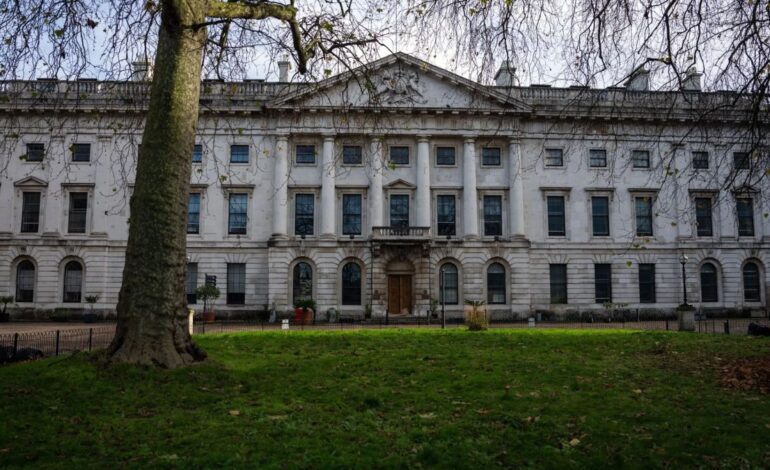

In response to growing international scrutiny, China has formally defended its plans for a new, expansive embassy complex in London, asserting full compliance with legal and diplomatic norms. The statement comes a day after the UK government granted final approval for the controversial project.
China’s Foreign Ministry spokesperson, Guo Jiakun, addressed the matter directly on Wednesday. “China has handled its planning for a new UK embassy building in full compliance with international diplomatic practices and relevant laws and regulations,” he stated. Framing the issue as a matter of obligation, he added that providing support for the construction of diplomatic premises is a standard duty of any host country.
Approval Amid Security Concerns
The UK’s decision to greenlight the project, first reported on Tuesday, was made despite significant warnings from British and U.S. politicians. Critics have labeled the proposed compound—which will be China’s largest embassy in Europe—a potential “spy base,” raising alarms about its scale, underground facilities, and proximity to critical infrastructure in central London.
The British government’s approval appears driven by a desire to stabilize and improve diplomatic relations with Beijing, which have been strained in recent years. The move underscores the challenging balance nations must strike between engaging with a major global power and addressing legitimate national security concerns.
A Clash of Narratives
The emerging narrative presents a clear contrast. Western security experts and lawmakers visualize a facility with extensive underground spaces that could facilitate espionage. Chinese officials, however, present it through the lens of sovereign right and routine international protocol, positioning any opposition as a breach of diplomatic convention.
By invoking “international practices” and the host’s “obligation,” Beijing’s response shifts the debate from one of security risk to one of diplomatic principle. This legalistic defense places the onus on the UK to justify any future restrictions, framing the project as a normal function of state-to-state relations rather than an extraordinary security threat.
As construction moves forward, this foundational disagreement will likely persist. The embassy will stand not only as a new diplomatic outpost but as a physical symbol of the deep tensions between open engagement and strategic caution that define current Sino-Western relations.
Also Read:
Over 1,400 Indonesians Return After Leaving Scam Groups in Cambodia
Protesters in Pro-Greenland Rallies Flip Trump’s Slogan to Make a Political Point