




Challenges Affecting Shea Sellers in Ivory Coast Today
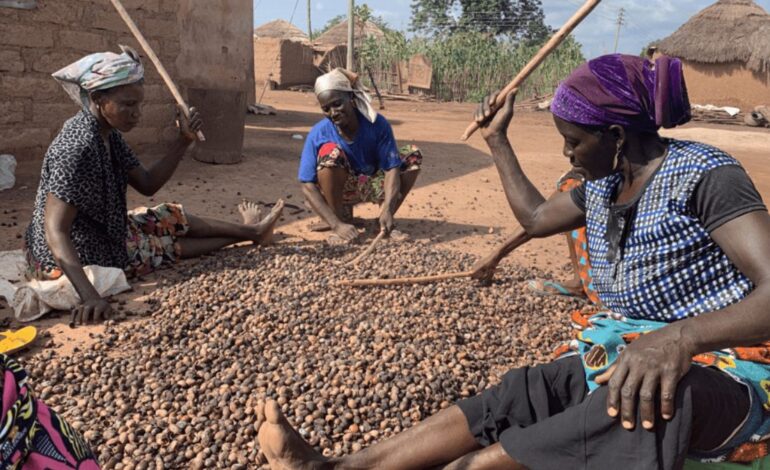

In the bustling shea markets of northern Ivory Coast, a quiet crisis is unfolding. As the season draws to a close, warehouses that are normally stacked high with shea nuts sit nearly empty. For buyers like Souleymane Sangare in Korhogo, this scarcity marks a dramatic shift. “I normally have between 3,500 and 4,000 tons of nuts per season. This year, I haven’t even managed 500 tons,” he explains.
The root of the problem lies in a regional trade realignment. Ivory Coast’s own shea production is modest, and for years, traders supplemented supplies by importing nuts from neighboring Mali and Burkina Faso—two of the world’s largest producers. Last year, however, those countries halted raw nut exports to prioritize their own processing industries. In a similar move, Ivory Coast suspended its own nut exports in January to secure supply for its domestic sector, particularly Korhogo’s modern shea butter processing plant.
This protectionist trend has spread across West Africa, with Togo and Nigeria also freezing exports and Ghana planning a gradual ban from 2026. The result is a strained regional market grappling with strong global demand. Shea butter, prized in cosmetics and as a more affordable cocoa butter alternative, is sought after worldwide, yet the nuts themselves are increasingly locked within national borders.
For the women who form the backbone of the shea economy, the situation is bittersweet. At the Chigata cooperative near Korhogo, over 120 women work tirelessly under the sun, transforming nuts into rich, aromatic butter. While prices have soared—a kilo of shea butter reached a record 4,500 CFA francs last year—the market has grown sluggish. “When it’s expensive, the market is slow,” notes Tenin Silue, a vendor with a decade of experience.
Rising costs also squeeze these producers. The cooperative now pays 70,000 CFA francs for a sack of nuts that once cost 60,000. While higher farmgate prices—up from 250 to 350 CFA francs per kilo—offer some benefit, they come amid greater uncertainty and limited access to raw materials.
This complex dynamic reveals a sector at a crossroads. As West African nations push to localize value addition and capture more profit from shea butter, traditional trade flows are disrupted. For Ivorian sellers and cooperatives, the challenge is no longer just about finding buyers—it’s about finding the nuts themselves. With the harvest season ending and supplies tightening, the empty warehouses in Korhogo tell a story of regional ambition, global demand, and the vulnerable communities caught in between.
Also Read:
What Could US Sanctions Mean for the UN Palestinian Refugee Agency?