



Canadian PM Visits India to Strengthen Bilateral Relations and Trade Cooperation
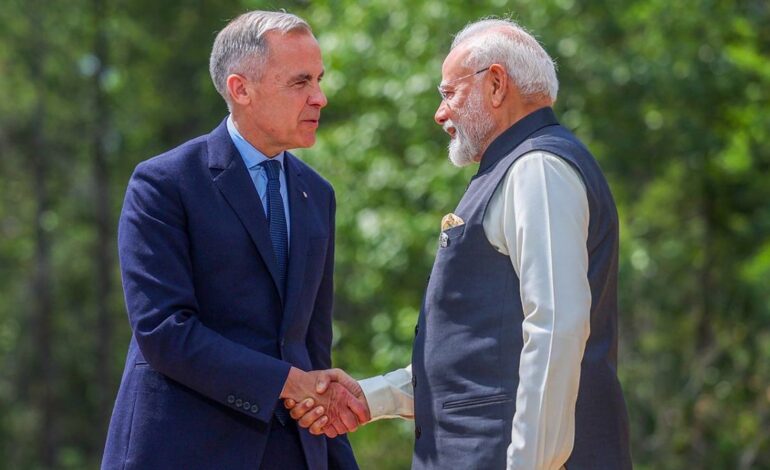

Canadian Prime Minister Mark Carney arrived in Mumbai on Friday for his first official visit to India, marking a significant step in normalizing relations after years of diplomatic tensions. The visit, which includes stops in Australia and Japan, aims to unlock new opportunities in trade, energy, technology, and defense.
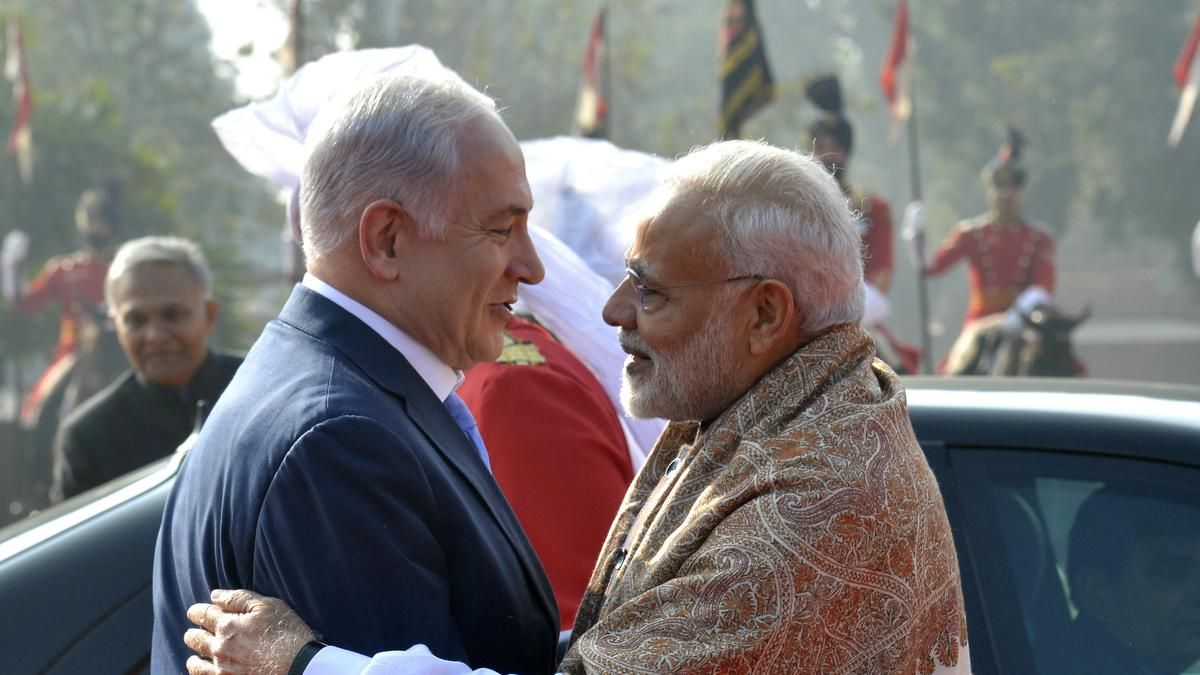
Carney is scheduled to meet Indian Prime Minister Narendra Modi on Monday for wide-ranging talks covering trade, investment, critical minerals, and agriculture. In Mumbai, he will meet business leaders “to identify investment opportunities in Canada and create new partnerships between businesses in both nations,” his office said.
A Relationship Reset
“The visit comes at an important juncture in the normalization of India-Canada bilateral relations,” the Indian Ministry of External Affairs said. “The two prime ministers have agreed to pursue a constructive and balanced partnership grounded in mutual respect for each other’s concerns and sensitivities, strong people-to-people ties, and growing economic complementarities.”
Relations between the two countries soured in 2023 after then-Prime Minister Justin Trudeau accused the Indian government of orchestrating the assassination of Hardeep Singh Nijjar, a Canadian citizen and Sikh separatist—a claim India has repeatedly denied. By 2024, both countries had expelled their respective high commissioners, a situation Vikas Swarup, former High Commissioner of India to Canada, described as “not sustainable.”
The thaw began in June 2025, when Modi visited Alberta at Carney’s invitation to attend the G7 Summit, followed by a meeting on the sidelines of the G20 Summit in Johannesburg.
Strategic Drivers
Canada’s outreach comes as it seeks to diversify its economic relationships amid uncertainty with its largest trading partner, the United States, which accounted for about 72 percent of Canadian merchandise exports in 2025.
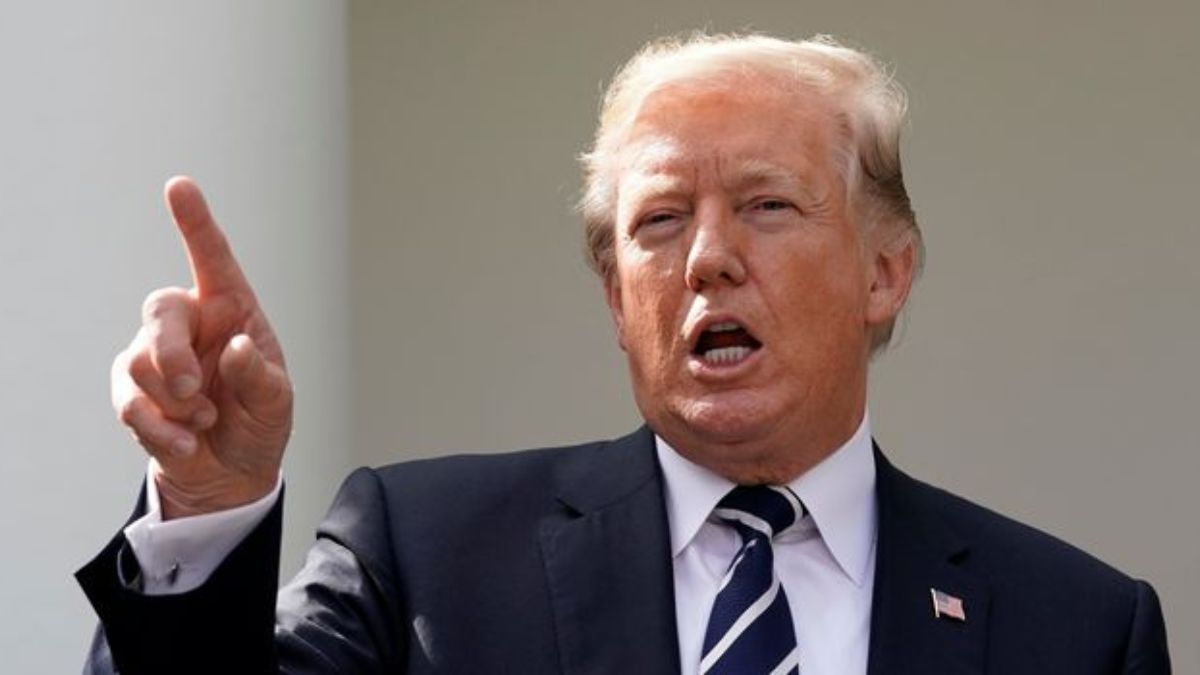
“Canada—which is now trying desperately to diversify away from its total dependence on the United States, with the unpredictability introduced by President Trump—needs more partners,” Swarup told Arab News. “And that’s why it’s a reactivation of the Indo-Pacific strategy. And, of course, India is central to the Indo-Pacific strategy. So that is why Canada is now making this overture to India, and I think India is also reciprocating.”
Energy and Resources
Closer ties offer India access to Canada’s vast energy resources. Canada is the world’s fourth-largest oil producer and fifth-largest natural gas producer. During Carney’s visit, the two countries are expected to sign a 10-year, C$2.8 billion ($2.05 billion) uranium supply deal to fuel India’s growing fleet of nuclear reactors.
The Living Bridge
India is also keen to strengthen ties with Canada, which hosts approximately 2.2 million people of Indian origin. “That’s a living bridge between India and Canada,” Swarup said. “And Canada has all the technology, has all the finances, and all the resources that India needs. India, of course, provides the manpower and the market, so I think it’s a win-win partnership for both sides.”
What It Means
Carney’s visit represents more than diplomatic repair—it signals a strategic alignment between two countries that complement each other economically. Canada brings resources, technology, and capital. India brings a massive market, skilled workforce, and geopolitical weight. Together, they can build relationships that reduce dependence on any single partner.
The talks begin Monday. The uranium deal awaits. And for two countries that spent years at diplomatic odds, the future suddenly looks more cooperative.
Also Read:
FBI Fires More Agents Linked to Trump Classified Document Investigation
Tensions Rise as Explosions Hit Ukrainian Capital Before Geneva Talks