



Why Bill Gates Pulled Out of India AI Summit Amid Jeffrey Epstein Scrutiny
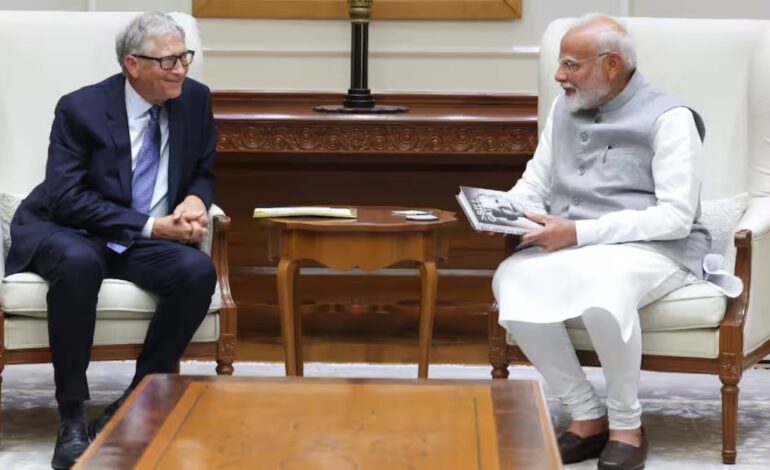

Hours before he was scheduled to deliver a keynote address at India’s AI Impact Summit on Thursday, Microsoft co-founder Bill Gates abruptly withdrew from the event. His foundation cited a desire to keep the focus on the summit’s priorities, but the decision came amid renewed scrutiny over his past ties to convicted sex offender Jeffrey Epstein, following the release of US Justice Department emails .
The withdrawal dealt a fresh blow to a flagship event already navigating organizational challenges, including a robot malfunction and complaints about traffic chaos. Gates’ absence followed another high-profile cancellation by Nvidia CEO Jensen Huang, though the summit still secured over $200 billion in AI infrastructure investment pledges .
The Epstein Connection
The renewed scrutiny stems from documents released under the US Epstein Files Transparency Act. The files included draft emails from Epstein’s account containing unverified allegations about Gates’ personal conduct. Gates has strongly denied these claims, calling them “absolutely absurd and completely false” .
In an interview with Australia’s 9News, Gates addressed the latest revelations: “Apparently Jeffrey wrote an email to himself. That email was never sent, the email is, you know, false. So I don’t know what his thinking was there. It just reminds me, you know, every minute I spent with him I regret” .
He reiterated that his interactions with Epstein were limited to dinners and philanthropic discussions, stating definitively: “I never went to the island, I never met any women” .
A Last-Minute Decision
The Gates Foundation had confirmed his attendance just two days prior, posting on X that he “will be delivering his keynote as scheduled” . The abrupt reversal raised questions about whether the Epstein scrutiny became too intense to ignore.
The foundation offered no explanation beyond its brief statement that Gates would step aside “to ensure the focus remains on the AI Summit’s key priorities” . Foundation President for Africa and India, Ankur Vora, spoke in his place .
Political Complications in India
Gates had arrived in India days before the summit, receiving a warm welcome in Andhra Pradesh from state minister Nara Lokesh. But opposition politicians seized on his presence. Congress leader Anup Dhote criticized the state government for hosting Gates despite his documented associations with Epstein, noting that Gates’ name had “appeared multiple times in the Epstein files” .
The controversy may have contributed to Gates’ name being removed from the summit’s official “Global Visionaries” list even before his withdrawal was announced .
A Summit That Moved Forward
Despite the high-profile absence, the six-day summit continued with its ambitious agenda. Prime Minister Narendra Modi addressed the gathering, which drew heads of state from 20 countries including France’s Emmanuel Macron and Brazil’s Luiz Inácio Lula da Silva . Google CEO Sundar Pichai, OpenAI CEO Sam Altman, and Anthropic CEO Dario Amodei all participated as planned .
The event secured significant investment commitments, including a $110 billion plan from Reliance Industries and a partnership between India’s Tata Group and OpenAI .
Gates’ Regret, Repeated
Gates has addressed his relationship with Epstein multiple times over the years, consistently expressing regret while denying any wrongdoing. In 2021, he called it “a huge mistake” to have spent time with him. Thursday’s withdrawal suggests that even a decade-old association, repeatedly addressed, can still cast a shadow.
For the summit organizers, Gates’ last-minute cancellation was a distraction from their message of India’s emergence as an AI leader. For Gates, it was another chapter in a story he would prefer to close. For the public, it was a reminder that in the era of released files and renewed scrutiny, the past does not always stay past.
Also Read:
France and Algeria Agree to Resume Security Cooperation, Says Minister