


Big Changes in American Diplomacy Raise Questions About Policy Direction
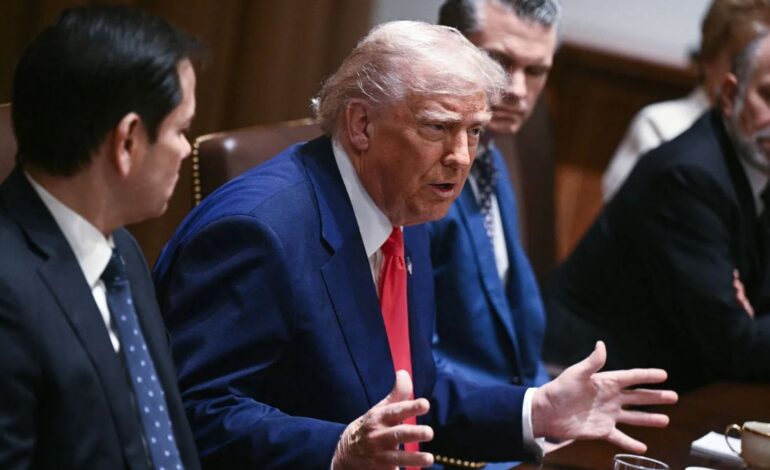

In a sweeping move that signals a sharp change in America’s engagement with the world, the Trump administration has begun recalling nearly thirty career diplomats from senior embassy posts across the globe. This large-scale reshuffle aims to align U.S. diplomatic missions firmly with President Donald Trump’s “America First” priorities, raising significant questions about the future direction of American foreign policy.
Ambassadors and chiefs of mission in at least 29 countries were informed last week that their tenures will end in January. While these career foreign service officers had survived an earlier purge targeting political appointees at the start of Trump’s second term, this latest wave marks a deeper transformation of the diplomatic corps. All those affected had been appointed during the preceding Biden administration.
The Scope of the Change: A Global Reshuffle
The State Department has described the recalls as “a standard process,” asserting the president’s right to have personal representatives who advance his agenda. However, the scale and timing are unusual. The ambassadors are not losing their jobs but are being called back to Washington for potential reassignments, a process that creates immediate vacancies in key nations.
The recall list reveals a particular focus on Africa and Asia, regions of growing strategic competition. Thirteen African nations—including major players like Nigeria, South Africa, Kenya, and Senegal—are losing their ambassadors. Six posts in Asia and the Pacific, from Vietnam to the Marshall Islands, are also affected, alongside several countries in Europe, the Middle East, and the Americas.
Concerns and Consequences
The move has drawn concern from veteran lawmakers and the American Foreign Service Association, the union representing career diplomats. Critics argue that removing experienced ambassadors en masse, especially career professionals with deep regional expertise, could disrupt vital relationships and hamper day-to-day diplomacy during a sensitive global period. They see it as an effort to place ideological loyalty over experience and continuity.
Proponents maintain that a new presidential term warrants a diplomatic team fully committed to its core policies. The administration’s statement emphasized that an ambassador is “a personal representative of the president,” underscoring the desire for envoys who will champion the “America First” agenda without reservation.
A Defining Shift in Practice
This large-scale recall goes beyond routine personnel changes. It represents a concrete step in reshaping how the United States projects its power and principles abroad. By reassigning ambassadors appointed by the previous administration, the White House is ensuring its diplomatic messengers reflect a singular policy vision.
The immediate questions are practical: Who will replace these seasoned diplomats? Will vacancies affect ongoing negotiations or crisis responses? The longer-term question is strategic: What does an “America First” diplomatic corps look like in action, and how will allies and adversaries reinterpret U.S. commitments based on this visible shift?
This diplomatic reset underscores a fundamental truth: foreign policy is deeply personal to an administration. As these ambassadors prepare to depart their posts, the world is watching to see how the United States will redefine its relationships—one embassy at a time.