

Rising Attacks Push Bangladesh Journalists to Demand Safety Measures

- PublishedJanuary 17, 2026
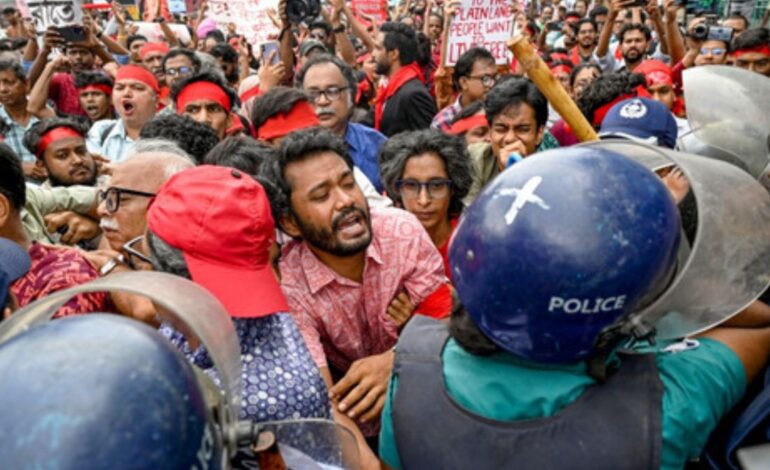
In a powerful show of defiance and desperation, Bangladesh’s journalistic community has issued a collective cry for safety. Editors, media owners, and reporters gathered in Dhaka on Saturday, demanding that authorities protect them following a series of alarming mob attacks on the nation’s leading newspapers. The call underscores a climate of fear and systematic targeting that threatens the very foundation of a free press in the South Asian nation.
The immediate catalyst was the violent assault in December on the offices of two media giants: The Daily Star, the country’s foremost English-language daily, and Prothom Alo, the largest Bengali-language newspaper. Angry mobs stormed the buildings, set fires, looted property, and trapped staff inside, forcing journalists to take refuge on rooftops until rescue arrived. Disturbingly, media authorities reported that pleas for official help to disperse the attackers went unanswered for hours.
A Dangerous Pattern Emerges
These were not isolated incidents. On the same day, liberal cultural centers in the capital were also attacked, painting a picture of a coordinated assault on voices perceived as secular or liberal. The attackers’ motives remain murky, though the newspapers have faced protests from Islamist groups accusing them of foreign links.
Speaking at the joint conference organized by the Editors Council and the Newspapers Owners Association, Nurul Kabir, President of the Editors Council, framed the violence as part of a perilous trend. “Those who want to suppress institutions that act as vehicles of democratic aspirations are doing so through laws, force and intimidation,” he stated, urging unity among journalists to fight back.
A Broader Crisis Under a Nobel Laureate’s Watch
The demands place intense scrutiny on the interim government of Nobel Peace Prize laureate Muhammad Yunus. Journalists and global rights groups accuse his administration, which came to power after former Prime Minister Sheikh Hasina fled amid mass unrest in 2024, of failing to uphold basic rights and allowing radical elements to flourish.
The situation is compounded by a legal crackdown. Dozens of journalists face serious charges related to the previous year’s uprising, accused of encouraging state violence against protesters. Several prominent reporters seen as aligned with the former government have been arrested and jailed under Yunus’s rule, creating a climate where the press is assailed from both the street and the state.
A Chilling Effect Before Elections
The timing is critical, with national elections scheduled for February. As UN expert Irene Khan warned, the “weaponization of public anger” against journalists and artists is especially dangerous ahead of polls. It risks silencing minority voices and dissenting views, with “serious consequences for democracy.”
Saturday’s conference was more than a protest; it was a stark warning. Bangladesh’s media, a cornerstone of its democratic aspirations, feels it is fighting for its survival on two fronts: against mob violence met with official inertia, and under a government using legal machinery to silence critics. The journalist community’s united stand is a plea to halt this dangerous descent, demanding not just words, but concrete action to ensure their safety and the public’s right to know. The integrity of the upcoming election, and the health of Bangladeshi democracy itself, may depend on the answer.
Also Read:
Netherlands Explosion Injures Several People and Damages Nearby Buildings