



Australian State Parliament Reconvenes After Bondi Shooting to Tighten Gun Laws

The New South Wales state parliament has reconvened in a special two-day session, compelled by grief and resolve following the devastating mass shooting at Bondi Beach. Lawmakers are debating a sweeping legislative package designed to tighten firearm ownership, ban symbols of terror, and restrict certain protest activities, marking a direct governmental response to the attack that killed fifteen people at a Jewish Hanukkah celebration.
The Core of the Proposed Laws
At the heart of the emergency legislation are significant new curbs on guns. The proposed laws would introduce a hard cap, limiting individuals to owning a maximum of four firearms, with allowances up to ten for specific groups like farmers. This represents a major shift from the current system, where ownership numbers are unlimited if an applicant can justify them to police. According to police data cited by the ABC, over fifty people in the state currently own more than one hundred guns each. The alleged Bondi gunman, Sajid Akram, who was shot dead by police, legally owned six firearms.
Beyond firearms, the legislation seeks to empower police with new authority to remove face coverings at protests and rallies. It also moves to ban specific chants, such as “globalize the intifada,” which the state government asserts incites community violence. These measures arrive amidst intense national scrutiny over rising antisemitism and public safety.
Calls for Inquiry and Political Pressure
The tragedy has ignited forceful calls for a comprehensive investigation. Jewish leaders have urged the federal government to establish a royal commission—the most powerful form of public inquiry in Australia—to fully probe the attack. This call was echoed by opposition leader Sussan Ley, who has requested a meeting with Prime Minister Anthony Albanese to discuss the terms of such an inquiry.
Prime Minister Albanese himself faces mounting political pressure. During a large memorial at Bondi one week after the shooting, he was met with boos from sections of the crowd, reflecting public frustration. A new poll has recorded a sharp 15-point drop in his approval rating, the lowest since his election. His government has pointed to recent actions, including criminalizing hate speech and doxxing, expelling Iran’s ambassador over allegations of fomenting antisemitic attacks, and banning Nazi salutes as evidence of its commitment to combating extremism.
A Community and a Nation Grapple with Loss
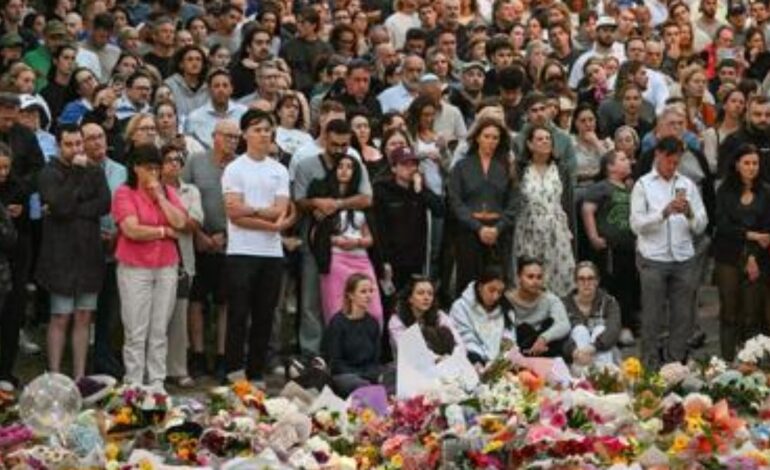
As the political process unfolds, the human toll remains immediate and profound. Thirteen victims continue to receive hospital care, with four listed in critical but stable condition. On Monday, authorities began the solemn task of clearing the vast sea of flowers, candles, and tributes left at Bondi Beach. These items of public mourning and solidarity will be preserved for display by the Sydney Jewish Museum and the Australian Jewish Historical Society, ensuring the community’s response becomes part of the historical record.
The recall of parliament signifies a state, and a nation, at a crossroads. The proposed laws strike at the complex balance between individual rights and collective security, between freedom of expression and the prevention of incitement. The debates in Sydney this week will shape not only New South Wales’ legal landscape but also Australia’s ongoing struggle to protect its social fabric in the shadow of profound tragedy.
Also Read:
A Cultural Exchange Initiative is Launched During the Osaka Expo by the Saudi Arabia Pavilion
Saudi Activist Sentenced to 11 Years in Prison Over Support for Women’s Rights