


Ariana Cinema in Afghanistan Torn Down After Decades of Cultural History
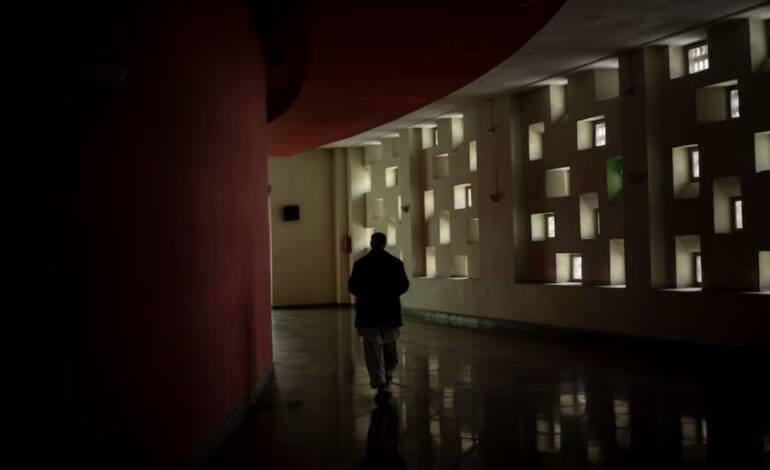

There are places that hold more than memories—they carry the soul of a city, the dreams of generations, and the resilience of a culture that refused to be silenced. The Ariana Cinema in Kabul was one such place. Last week, it ceased to exist.
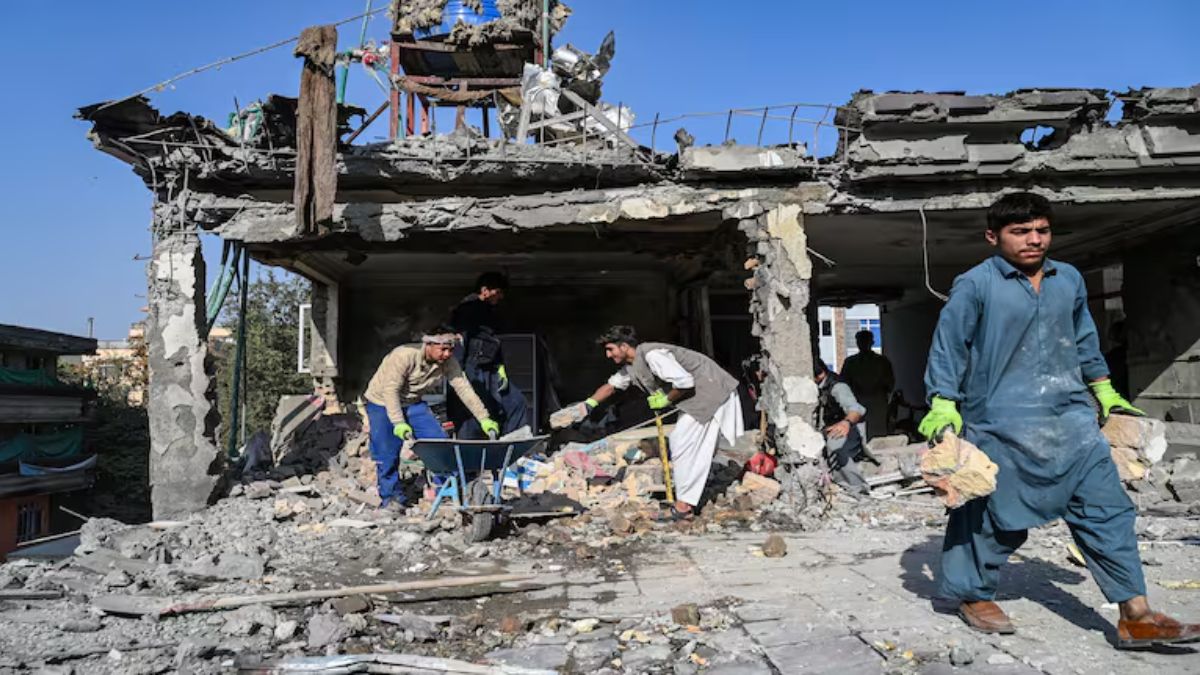
After standing for over six decades through revolution, invasion, civil war, and regime changes, the historic cinema was demolished in just seven days. What took mere days to destroy had taken generations to build and cherish.
A Monument to Better Times
The Ariana opened its doors in 1963, during a period when Afghanistan’s monarchy was steering the nation toward modernization. The cinema’s sleek design reflected the optimism of that era—a time when going to the movies wasn’t just entertainment, but a symbol of progress and cultural engagement.
For director and actor Amir Shah Talash, who has worked in Afghan cinema since 2004, the destruction cuts deep. “It’s not just a building made of bricks and cement that is being destroyed,” he told reporters, “but the Afghan cinema lovers who resisted and continued their art despite the hardships and severe security problems.”
Survival Through Decades of Conflict
The cinema’s history mirrors Afghanistan’s turbulent past. When Soviet forces invaded in 1979, the country descended into decades of warfare. The Ariana suffered severe damage and stood in ruins for years. The Taliban’s first rule in 1996 brought all cinema operations to a halt.
But the building got a second chance. After 2001, with support from the French government, the Ariana was rebuilt in 2004. It reopened to audiences hungry for entertainment, showing everything from Bollywood blockbusters to American action films and newly produced Afghan movies. The plush red seats filled again with families, couples, and dreamers seeking escape from harsh realities outside.
The cinema became more than a venue—it was a sanctuary where Kabul residents could, as Talash described, “relieve their sorrows and problems and to calm their minds and hearts.”
A Cross-Border Cultural Hub
The Ariana’s influence extended beyond Afghanistan’s borders. When Pakistan banned Indian films after the 1965 war over Kashmir, Pakistani cinema enthusiasts would make the journey to Kabul specifically to watch Bollywood movies at the Ariana.
Sohaib Romi, a Pakistani film lover, still remembers watching “Samjhauta” there with his uncle in 1974. His words capture the personal loss felt by many: “My memories are buried in the rubble of the Ariana Cinema.”
From Culture to Commerce
The current government, which returned to power in 2021, has imposed strict restrictions on entertainment, including bans on most films and music. Cinemas were ordered to close, and in May of this year, the Afghan Film Administration was officially dissolved.
The Ariana sat empty, its fate uncertain. Eventually, municipal authorities decided the prime downtown location should be converted into a shopping complex. According to Kabul Municipality spokesman Niamatullah Barakzai, the land needed to be developed “to generate good income” and bring “positive changes in the city.”
For many, replacing a cultural institution with a commercial center represents the exact opposite of positive change.
What Cannot Be Demolished
Talash, now living in France, refuses to surrender to despair entirely. While acknowledging the difficulty ahead, he holds onto something that bulldozers cannot destroy: “Buildings may collapse, but art lives on in the minds and hearts of people.”
It’s a powerful reminder that culture isn’t just housed in structures—it resides in the people who create it, preserve it, and pass it down. The physical space of the Ariana Cinema may be gone, but the memories it created and the passion it inspired remain.
For now, though, another piece of Afghanistan’s cultural heritage has been erased. The destruction of the Ariana Cinema isn’t just about losing a building. It represents the systematic dismantling of public spaces where people could gather, dream, and momentarily forget their troubles. It’s the loss of a place where a young boy could fall in love with filmmaking, where Pakistani visitors could enjoy forbidden films, where ordinary Afghans could experience stories from around the world.
The rubble has been cleared. The site awaits its commercial future. But for those who walked through its doors, sat in those red seats, and lost themselves in flickering images on the screen, the Ariana Cinema will never truly be demolished.
Also Read:
Bangladesh Politics Sees Major Shift as PM Contender Returns After 17 Years
Greece Coast Guard Saves 52 Migrants After Boat Incident, Child Still Missing