

After Nobel Snub, Trump Says Peace Is Not His Only Responsibility
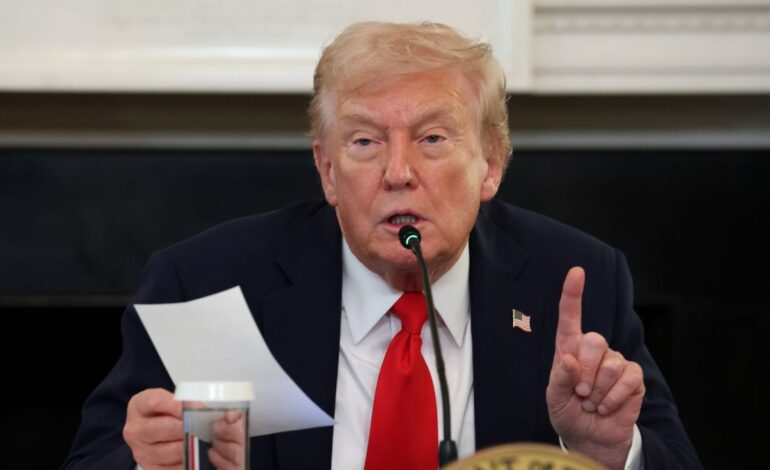

In a striking and unconventional diplomatic message, former US President Donald Trump indicated a significant shift in his stated foreign policy philosophy, directly linking the change to a perceived snub from the Nobel committee.
In a communication to Norwegian Prime Minister Jonas Gahr Store, Trump wrote: “Considering your Country decided not to give me the Nobel Peace Prize for having stopped 8 Wars PLUS, I no longer feel an obligation to think purely of Peace.” The message’s authenticity was confirmed to international press and by the Norwegian Prime Minister himself.
The statement refers to Norway’s role as the facilitator of the Nobel Peace Prize, though the independent Nobel Committee’s decisions are not made by the Norwegian government. Trump has frequently referenced, without providing detailed evidence, that he was responsible for preventing multiple wars during his presidency.
Interpretation and Implications
The brief message carries heavy implications. It frames the pursuit of peace not as a universal or moral imperative, but as a transactional effort tied to international recognition and awards. By suggesting the Nobel committee’s decision frees him from this “obligation,” Trump presents a worldview where diplomatic restraint is conditional.
Political analysts and foreign policy experts are likely to dissect the statement as a significant rhetorical marker. It openly subordinates the abstract goal of peace to personal grievance, potentially signaling a more unpredictable or confrontational approach to international relations in any future political endeavors.
A Unprecedented Link
Historically, while world leaders have expressed disappointment over not receiving the Nobel honor, none have publicly suggested it would alter their fundamental approach to global conflict and diplomacy. This direct linkage between a prize decision and a declared shift in strategic thinking is unprecedented in modern statecraft.
For allies and adversaries alike, the message serves as a stark reminder of the personal and unconventional lens through which Trump often views international engagement. It raises questions about the drivers of future policy, suggesting they may be influenced as much by perceived personal slights as by traditional strategic analysis. The world is left to ponder what a foreign policy no longer feeling “an obligation to think purely of Peace” might look like in practice.
Also Read:
Search Continues in Indonesia as Plane Carrying 11 People Disappears
Rising Attacks Push Bangladesh Journalists to Demand Safety Measures