
Meta Pushes AI and Smart Glasses Forward Amid Privacy Concerns
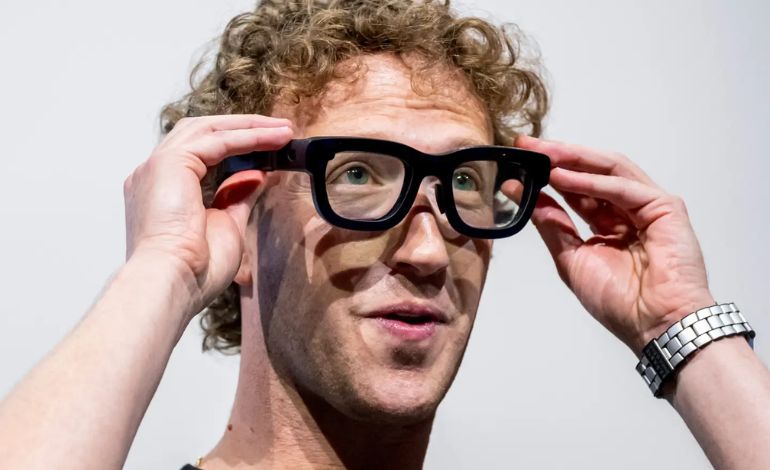

Meta has poured billions of dollars into staying competitive in the race to build advanced software systems, but the company is facing growing pushback even as CEO Mark Zuckerberg prepares to unveil new products for what the industry is calling the AI era. The company kicked off its annual Connect conference at its Menlo Park headquarters on Wednesday.
Earlier this month, Meta launched Muse, its first consumer app designed to carry out tasks on a person’s behalf, functioning like a digital personal assistant. Once a user connects accounts spanning finance, health or shopping, they can ask Meta to sign up for services, book appointments or make calls automatically. The rollout hasn’t gone entirely smoothly: Amazon blocked Meta this week from using automated bots to shop on users’ behalf, while other companies including Instacart, Shopify and Expedia have instead struck partnerships to integrate their services directly into Muse. Built on Meta’s own models, the assistant is designed to compete with offerings from OpenAI and Anthropic.
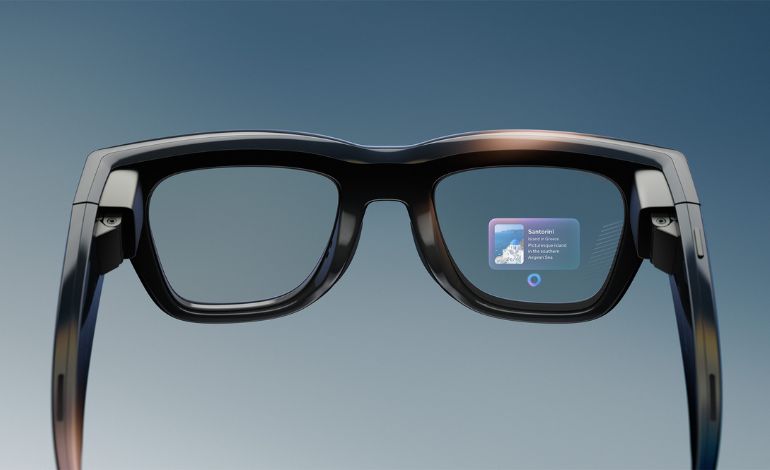
Meta released its first pair of interactive smart glasses back in 2021, roughly a year before OpenAI’s release of ChatGPT sparked a global wave of interest in the technology, and the devices have grown steadily more capable since. Last year, the company unveiled a pair of augmented reality display glasses capable of projecting images directly onto the lenses, and earlier this year released its own branded smart glasses separate from its ongoing partnership with eyewear maker EssilorLuxottica, which produces several Ray-Ban branded versions.
The novelty of the devices has been clouded by privacy concerns, with critics giving the glasses the derisive nickname “pervert glasses” over worries about covert recording. At last year’s Connect, Meta’s chief product officer Chris Cox brushed off the criticism, telling reporters, including AFP, that social norms would eventually form around how the glasses get used. More recently, the company has said a recording indicator light will always be visible to people nearby, and that tampering with that light will disable the camera entirely. Meta is reportedly developing a new pair of audio-only glasses, and rumors suggest a next-generation mixed reality version may also be in the works.
Beyond privacy concerns tied to the glasses, Meta continues to face scrutiny over children’s safety more broadly. In August, the company settled a lawsuit brought by dozens of US attorneys general who accused it of violating state and federal consumer protection and children’s privacy laws. As part of that settlement, Meta agreed to pay up to 18 billion dollars in fines and adopt new restrictions for teenage users. The company still faces social media restrictions and outright bans for younger users in various countries, along with thousands of potential personal injury lawsuits still working their way through US state courts.
Also Read:
National Bank of Egypt Set to Acquire Banque Misr UAE Branches