



Hormuz Deal Delay Impacts Global Trade with 800 Ships Left Waiting

A ceasefire agreement between the US and Iran may finally open the Strait of Hormuz to shipping traffic, but uncertainty over implementation details has left ship owners and industry experts cautious about when global maritime flows can resume.
The Backlog
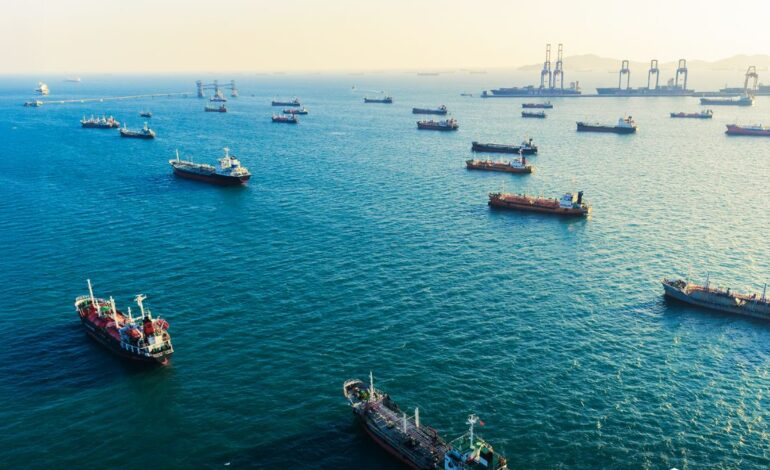
More than 800 vessels remain trapped in Arabian Gulf waters, unable to transit the crucial Hormuz Strait due to Iran’s control following weeks of regional conflict. The fleet includes 426 crude oil and clean fuel tankers, 34 liquefied petroleum gas carriers, and 19 liquefied natural gas carriers, alongside container ships and vessels carrying dry goods.
In peacetime, approximately 135 ships transit the strait daily—a number that has plummeted during the closure, creating an unprecedented crisis in global energy supplies.
Conflicting Accounts
Hours before Trump’s deadline expired on Tuesday, both sides agreed to a ceasefire to reopen the strait. However, fundamental disagreements cloud the agreement’s scope.
Iran stated it agreed to two weeks of safe passage coordinated with its armed forces and subject to “technical restrictions.” Trump, meanwhile, announced a “full, immediate, and safe opening.” Critically, it remains unclear whether agreement has been reached on fees Iran imposed for transit.
Cautious Industry Optimism
Ship owners are carefully evaluating the ceasefire terms before moving vessels. The Japan Shipowners’ Association and other major industry groups said they would seek to verify the agreement’s precise details before advising members on resuming transit.
“You can’t restart global shipping flows within 24 hours,” cautioned Jennifer Parker, assistant professor at the Defense and Security Institute at the University of Western Australia. “Tanker owners, insurers, and crews need to be convinced that the risks have actually decreased, not just temporarily paused.”
Human Cost
The extended closure has taken a severe toll on maritime personnel. Approximately 20,000 civilian sailors are stranded aboard the trapped vessels, facing supply shortages, fatigue, and significant psychological stress, according to the UN’s International Maritime Organization.
The Path Forward
Even if the ceasefire holds, restoring normal shipping patterns requires time. Vessel operators must verify safety improvements, insurance companies must adjust coverage terms, and confidence must rebuild after weeks of dangerous conditions. The gradual resumption of traffic will likely take weeks rather than days, leaving global energy markets vulnerable to continued supply disruptions.
The ceasefire represents a critical step toward resolving the crisis, but ambiguity around implementation details means the full reopening of this vital waterway remains uncertain.
Also Read:
EU Mission to Ukraine Pipeline: How Politics is Creating an Information Gap
Why the UN Calls Attacks on Civilian Targets a Serious War Crime