



Hezbollah Influence Cited in Michigan Synagogue Crash, Says FBI
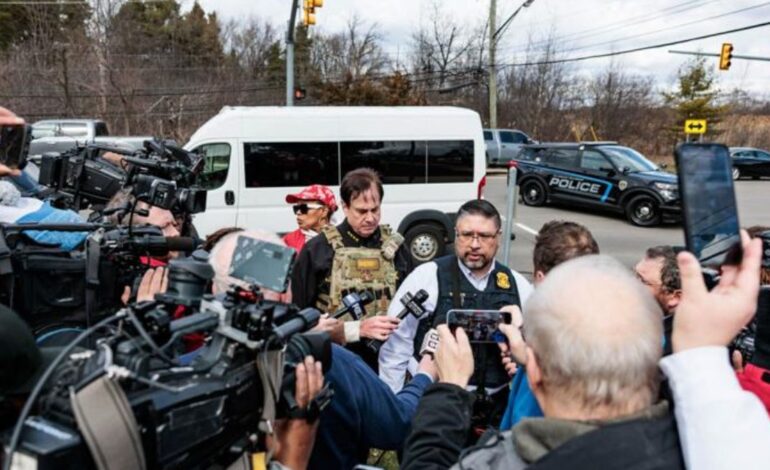

A man who crashed his pickup truck into a Detroit area synagogue in early March was carrying out an attack inspired by Hezbollah, the Iran backed terrorist organization, the FBI said Monday. The incident represents another attack on a religious institution and raises concerns about how personal tragedy can become intertwined with extremist ideology. The attacker was motivated by grief over family losses in Lebanese airstrikes and influenced by Hezbollah’s anti Israeli messaging.
The Attack
On March 12, Ayman Ghazali, 41, of Dearborn Heights sat in the parking lot of Temple Israel in West Bloomfield Township for several hours before smashing his pickup truck through closed doors and into the hallway of an early childhood education area.
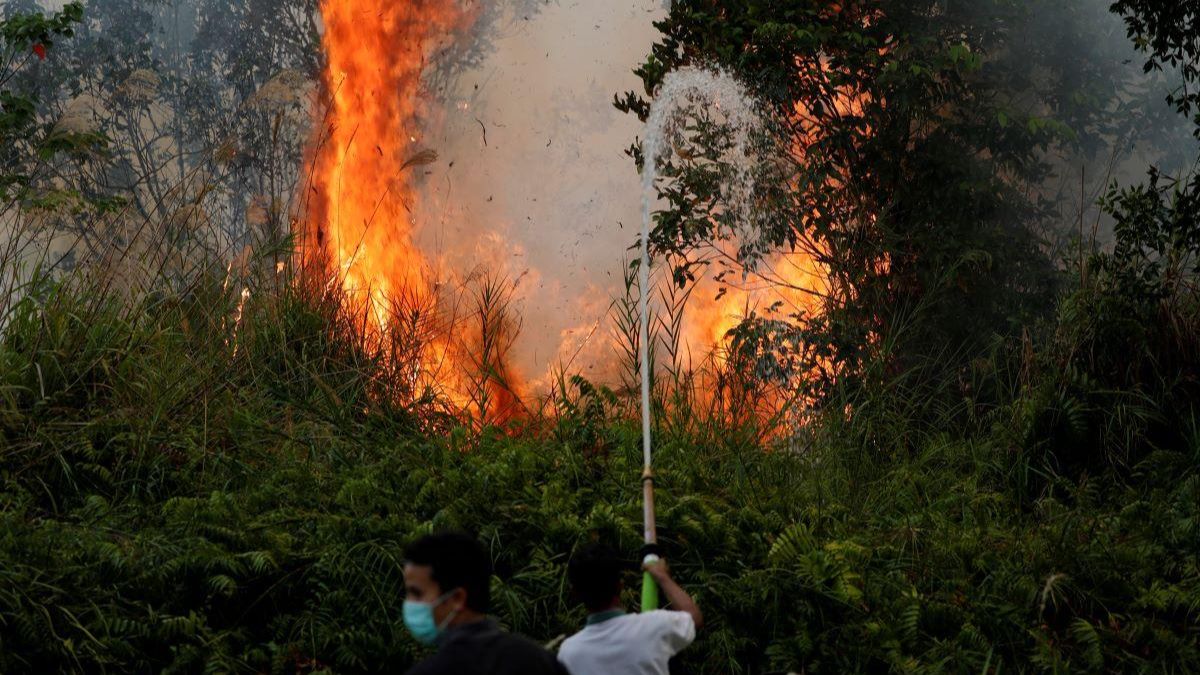
He struck a security guard with his vehicle. He then exchanged gunfire with another guard before fatally shooting himself. The Ford F150 he drove was stocked with commercial grade fireworks and jugs of gasoline. The vehicle caught fire during the confrontation.
Before the attack, Ghazali made a video saying he wanted to kill as many of them as I possibly can, according to Jennifer Runyan, head of the FBI in Detroit. This statement demonstrates clear intent to harm occupants of the synagogue.
First responders quickly cleared the building. The synagogue had approximately 150 children and staff present at the time. Despite the vehicles containing weapons and incendiary materials, no one among the children and staff was injured. The only casualty was Ghazali himself.
That 150 people escaped injury is attributed to quick action by security personnel and first responders.
Ghazali’s Motivation
Ghazali’s ex wife called police in Dearborn Heights around the time of the attack to warn that he seemed distraught and suicidal. She reported that he had lost several family members during an Israeli airstrike in Lebanon.
This airstrike occurred days into the larger Iran war with Israel and the US that began February 28. The broader conflict provided context for Ghazali’s personal loss. His grief over family deaths became fused with the larger geopolitical conflict.
Israel’s military said that Ayman Ghazali’s brother, Ibrahim Ghazali, who was killed in the airstrike, was a Hezbollah commander in Lebanon. National intelligence director Tulsi Gabbard told a Senate committee that Ayman Ghazali had family ties to a Hezbollah leader.
This connection to Hezbollah appears significant in understanding the attack. The 911 audio from his ex wife’s call indicates that grief and trauma from family loss drove his emotional state. However, the FBI’s determination that Hezbollah inspired the attack suggests that his personal tragedy became channeled through extremist ideology.
Personal grief combined with extremist messaging created a dangerous mix that motivated the attack.
Hezbollah: Background and Designation
Hezbollah was founded in 1982 during Lebanon’s civil war. It was initially devoted to ending Israel’s occupation of southern Lebanon. Israel withdrew by 2000, but Hezbollah has continued its battle and seeks Israel’s destruction.
The United States government for years has designated Hezbollah as a terrorist organization. This designation reflects US concerns about the group’s methods and its use of violence to achieve political goals.
However, Hezbollah is also a political party with lawmakers in the Lebanese parliament. It has had representatives in most Lebanese governments for decades. This dual nature as both a militant organization and political actor complicates the picture.
The organization receives significant backing from Iran. It is part of Iran’s strategy of regional influence and opposition to Israel and US interests in the Middle East. Iranian support has made Hezbollah one of the most militarily capable non state actors in the world.
Hezbollah’s anti Israeli messaging, spread through media and propaganda, appears to have influenced Ghazali’s worldview.
Temple Israel and the Targeted Community
The Michigan synagogue that was attacked, Temple Israel, is part of Reform Judaism, the largest branch of the religion in North America. Reform Judaism emphasizes progressive values such as social justice and gender equality.
According to the Union for Reform Judaism, Temple Israel’s congregation is the second largest in the denomination. The synagogue was founded in 1941 in Detroit. It relocated to suburban West Bloomfield in the 1980s. The temple counts over 12,000 members according to its website.
The presence of approximately 150 children and staff during school hours indicates that the early childhood education program is a significant community activity. The attack targeted not just the religious institution but an area with many vulnerable young people.
The targeting of a Jewish institution reflects longstanding antisemitic violence and the particular vulnerability of the Jewish community to extremist attacks. Religious minorities and their institutions have historically been targets for violence.
The attack underscores how hatred can target specific religious communities.
Broader Pattern of Religious Targeting
This attack is the latest in a spate of recent attacks targeting religious buildings. The pattern has intensified fear among religious leaders and worshippers worldwide.
Religious institutions face multiple types of threats. Extremist violence motivated by ideology or theology. Personal violence by individuals with mental health crises. Hate crimes targeting specific religious or ethnic groups. The Michigan synagogue attack encompasses elements of extremism, personal crisis, and targeted religious violence.
Security at religious institutions has become a major concern. Many synagogues, churches, mosques, and temples now employ security personnel. Some have installed protective barriers and surveillance systems. These measures reflect the reality that religious institutions have become targets.
The pattern of attacks raises questions for religious leaders. How do communities maintain open, welcoming spaces while protecting against violent threats? How do they balance security needs with the spiritual character of religious practice?
Religious communities are grappling with how to respond to the reality that their institutions are targets.
FBI Assessment and Implications
The FBI’s determination that the attack was inspired by Hezbollah indicates that US law enforcement is concerned about the spread of extremist ideology. The case demonstrates how personal grief and trauma can be exploited by extremist messaging to motivate violence.
Ghazali’s case is not one of a committed ideologue planning a long campaign. Rather, it appears to be a man in emotional crisis who was exposed to or embraced extremist ideology in his moment of vulnerability. This pattern may be replicated in other cases.
The presence of the commercial grade fireworks and gasoline suggests some level of planning. However, the briefing provided by the FBI does not indicate an organized cell or network. Instead, it appears to be a lone actor motivated by personal loss and extremist ideology.
Law enforcement will likely focus on identifying other individuals who may be similarly vulnerable. The combination of grief, loss of family members, and exposure to extremist messaging presents a particular risk profile for radicalization.
The FBI assessment has implications for understanding how extremist organizations radicalize individuals.
Community Response
The fact that 150 people were protected from harm reflects the quick action of security personnel and first responders. The building was cleared before the fire became uncontrollable. No innocents were killed in the attack.
However, the attack has undoubtedly shaken the Temple Israel community. Parents of children in the early childhood education program have experienced a traumatic breach of what should be a safe space. The synagogue community faces the aftermath of an attack designed to kill their members.
Religious communities across the country are watching this case. They are assessing their own security measures. They are considering how to protect their members while maintaining the open, welcoming nature of religious practice.
The attack will likely influence security practices at religious institutions nationwide.
Looking Forward
The case raises questions for law enforcement, policymakers, and religious leaders. How can authorities identify individuals who are vulnerable to radicalization? How can communities address the spread of extremist ideology? How can religious institutions protect themselves without becoming fortress like structures?
The attack on Temple Israel is one incident. But it reflects a broader pattern of violence targeting religious institutions. It demonstrates how international conflicts, personal trauma, and extremist ideology can intersect to create threats to communities.
The Michigan synagogue attack and the FBI’s Hezbollah connection highlight the complex security challenges facing American religious communities in a time of international conflict.
The attack on Temple Israel demonstrates how personal tragedy can become fused with extremist ideology to motivate violence. The FBI’s assessment that Hezbollah inspired the attack reflects US concerns about the group’s reach and influence. The broader pattern of attacks on religious institutions underscores the security challenges facing faith communities across America.
Also Read:
Mideast Stocks in Focus: How Iran Tensions Are Impacting Gulf Markets
7 Powerful Ways to Reignite Passion and Energy in Your Business