




What the New 10% Global Tariff Means for Businesses and Consumers

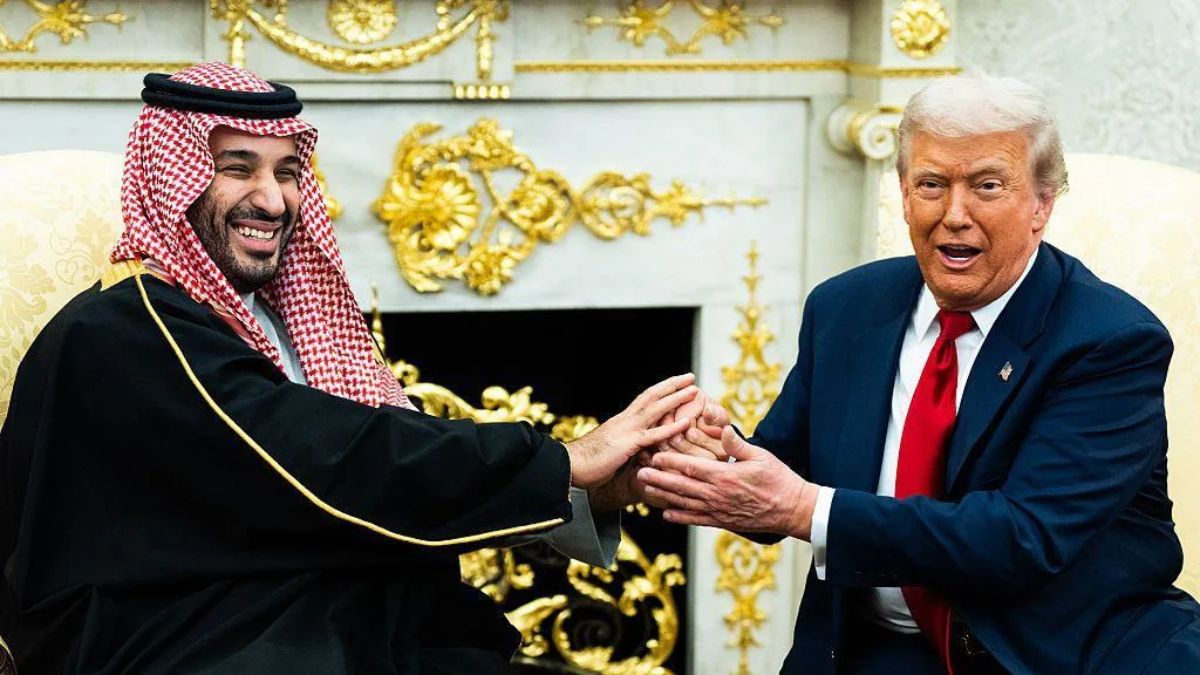
President Donald Trump moved swiftly Friday to replace tariffs struck down by the Supreme Court with a temporary 10 percent global import duty, opening a new chapter in his ongoing trade war while preserving most of the revenue collected under the invalidated measures.
The new tariffs, authorized under Section 122 of the Trade Act of 1974, will apply to all countries for up to 150 days. They partially replace duties of 10 percent to 50 percent imposed under the 1977 International Emergency Economic Powers Act, which the Supreme Court declared illegal.
How We Got Here
The Supreme Court’s ruling invalidated approximately $175 billion in tariff revenue collected over the past year, potentially subjecting that money to refunds, according to estimates from Penn-Wharton Budget Model economists. But the path to any refund remains uncertain.
Asked if he would refund the IEEPA duties, Trump told reporters: “I guess it has to get litigated for the next two years.” Treasury Secretary Scott Bessent elaborated in Dallas, telling business leaders that since the court provided no instructions on refunds, those were “in dispute” and “could be dragged out for weeks, months, years.”
The New Framework
The Section 122 authority allows the president to impose duties of up to 15 percent for up to 150 days on any and all countries to address “large and serious” balance of payments issues. Unlike the IEEPA statute, it does not require investigations or impose other procedural limits. After 150 days, Congress would need to approve any extension.
Trump also announced new country-specific investigations under Section 301 of the Trade Act of 1974 “to protect our country from unfair trading practices of other countries and companies.” These investigations typically take about a year to complete and could lead to enhanced tariffs on specific nations.
The administration is also pursuing tariffs under Section 232, the national security statute used during Trump’s first term to impose duties on steel and aluminum.
What It Means for Tariff Levels
Bessent said the combination of the 10 percent global duties and potentially enhanced tariffs under Section 301 and Section 232 would result in virtually unchanged tariff revenue in 2026. “We will get back to the same tariff level for the countries. It will just be in a less direct and slightly more convoluted manner,” he told Fox News.
Trump acknowledged that ultimate rates could vary by country. Asked if tariffs would end up higher after investigations, he said: “Potentially higher. It depends. Whatever we want them to be.” He indicated some countries “that have treated us really badly for years” could face higher duties, while for others, “it’s going to be very reasonable.”
Impact on Businesses
For companies importing goods, the new framework extends the uncertainty that has characterized Trump’s trade policy. While the 10 percent rate is lower than some previous duties, the threat of country-specific tariffs under Section 301 investigations looms.
The shift to statutes with established procedures, research requirements, and public comment periods could provide more predictability, said Janet Whittaker, senior counsel with Clifford Chance in Washington. “The administration will need to follow these set processes, conduct the investigations, and so for businesses, that means more visibility into the process.”
But the 150-day limit on Section 122 tariffs creates its own uncertainty. After that period, Congress would need to act to extend them—an unpredictable process.
Impact on Consumers
For American consumers, the new tariffs mean continued upward pressure on prices of imported goods. The 10 percent duty applies to products from all countries, affecting everything from electronics to clothing to household items.
The extent to which these costs pass through to consumers depends on multiple factors, including how much of the tariff importers absorb versus pass along, and whether the administration’s promised investigations lead to higher duties on specific countries.
International Response
The fate of dozens of trade deals negotiated to reduce IEEPA-based duties remains unclear. Trump said he expects many to continue, but deals that are abandoned “will be replaced with the other tariffs.”
Tim Brightbill, trade partner with the law firm Wiley Rein, suggested the new approach “is unlikely to affect reciprocal trade negotiations with our trading partners. Most countries would prefer the certainty of a trade deal to the chaos of last year.”
Legal Outlook
While the Section 122 tariffs will likely face legal challenges, Josh Lipsky of the Atlantic Council noted they would lapse before any final ruling could be made. The 150-day window effectively insulates them from judicial review.
The administration’s broader strategy appears designed to preserve its tariff authority while shifting to more legally defensible grounds. But the chaos of the past year—with tariffs imposed, struck down, and replaced—has created uncertainty that businesses and trading partners will continue to navigate.
As Robert Lighthizer, Trump’s first-term trade chief, put it on Fox News, he hopes Congress will revise decades-old trade laws to give the president new tools. Whether that happens, or whether the current patchwork persists, will shape the trade landscape for years to come.
Also Read:
UK Monarchy in Crisis After Prince Andrew’s Stunning Arrest
Over 5,000 Female Civilians Dead in Ukraine War, According to UN Findings