

US May Ease Tech Restrictions on Vietnam: Key Updates from Hanoi
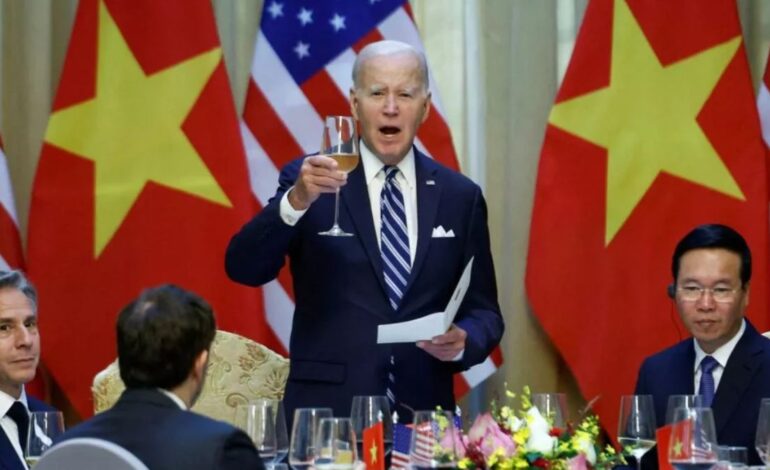

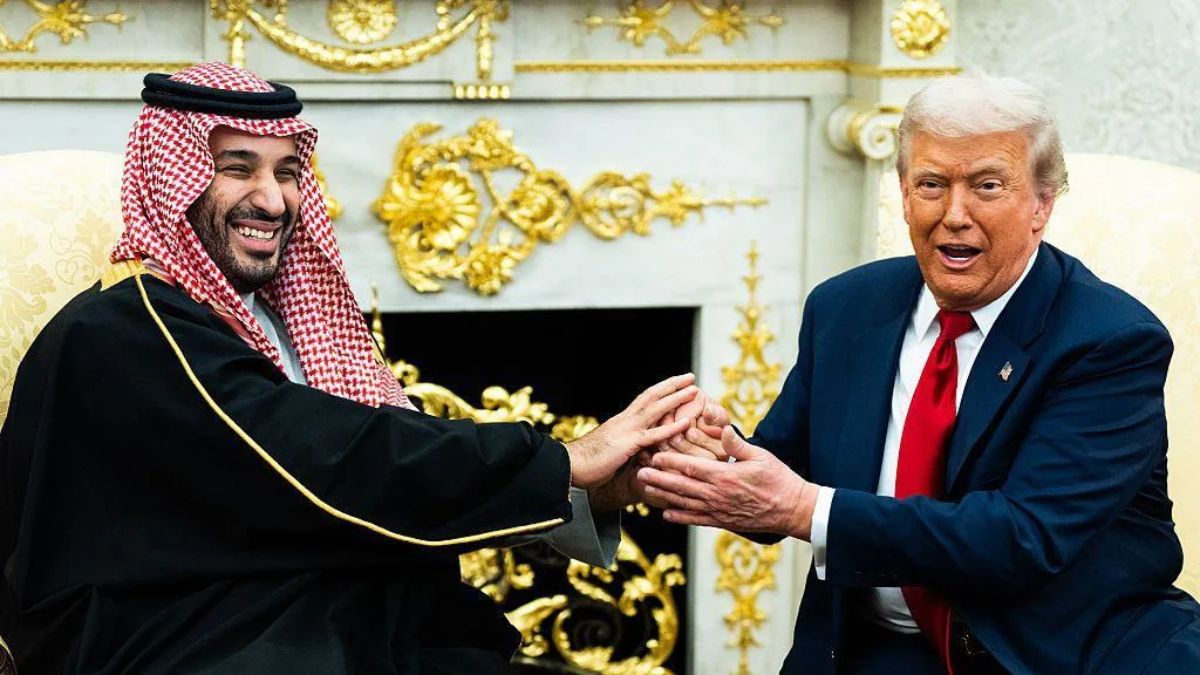
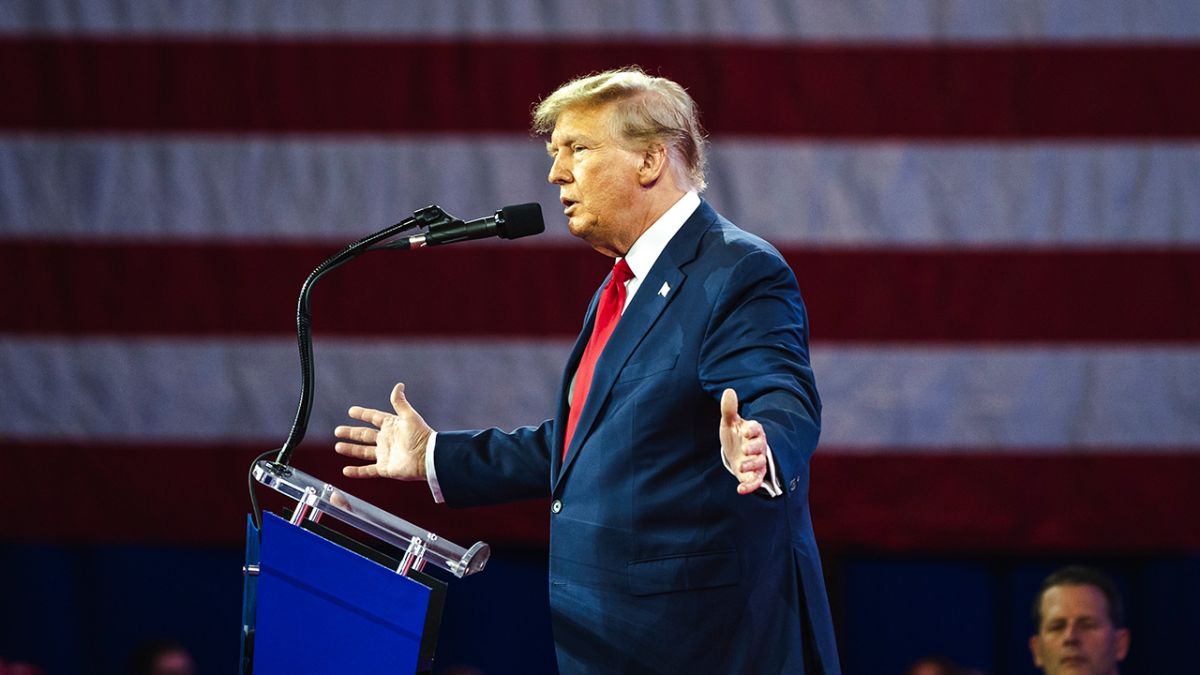
In a significant development for bilateral relations, President Donald Trump has committed to removing Vietnam from a list of countries restricted from accessing advanced US technologies. The pledge came during the first formal in-person meeting between Trump and Vietnam’s top leader, To Lam, at the White House on Friday .
The meeting followed To Lam’s attendance at the inaugural session of Trump’s “Board of Peace” in Washington, marking a new chapter in US-Vietnam engagement . According to a summary posted on the Vietnamese government’s news website, “Donald Trump said he would instruct the relevant agencies to soon remove Vietnam from the strategic export control list” .
Historic Trade Agreements Pave the Way
The technology commitment follows a series of major commercial agreements signed during To Lam’s visit. Vietnamese airlines announced nearly $37 billion in purchases from US aerospace companies, demonstrating Hanoi’s commitment to balancing trade relations .
The deals include:
- Sun PhuQuoc Airways placed an order for 40 Boeing 787-9 Dreamliners, valued at approximately $22.5 billion
- Vietnam Airlines signed a contract for 50 Boeing 737 MAX aircraft, worth an estimated $8.1 billion
- Vietjet secured agreements exceeding $6.3 billion with US partners, including a $5.4 billion engine and maintenance contract with Pratt & Whitney, and a $965 million financing agreement with Griffin Global Asset Management for six Boeing 737-8 aircraft
Beyond aviation, the Ministry of Science and Technology granted a license to Starlink Services Vietnam Co., Ltd. to provide satellite telecommunications services, while Tâm Anh General Hospital contracted with Mevion Medical Systems for an advanced proton therapy system .
Tariff Context
The developments come amid complex trade negotiations. When Trump announced his “Liberation Day” tariffs in April 2025, Vietnam had the third-largest trade surplus with the US of any country and was targeted with one of the highest rates . In July, Hanoi secured a reduced minimum 20 percent tariff in return for opening its market to US products including cars.
On Friday, hours after the Supreme Court struck down some of his earlier sweeping tariffs, Trump announced an immediate new 10 percent tariff on most imports from all countries .
What It Means
The removal of Vietnam from strategic export controls would represent a major upgrade in technology cooperation, potentially opening doors for Vietnamese firms to access advanced US components and systems. Combined with the record aircraft purchases and expanded cooperation in digital infrastructure and healthcare, the visit signals deepening economic integration between the two former adversaries .
For US companies, the agreements provide access to one of Asia’s fastest-growing markets. For Vietnam, they represent a strategic hedge and a pathway to advanced technology that supports its ambition to become a regional manufacturing and innovation hub.
Also Read:
UK Monarchy in Crisis After Prince Andrew’s Stunning Arrest
Over 5,000 Female Civilians Dead in Ukraine War, According to UN Findings