




Northwest Nigeria in Shock as Scores Killed in Fresh Militant Attacks
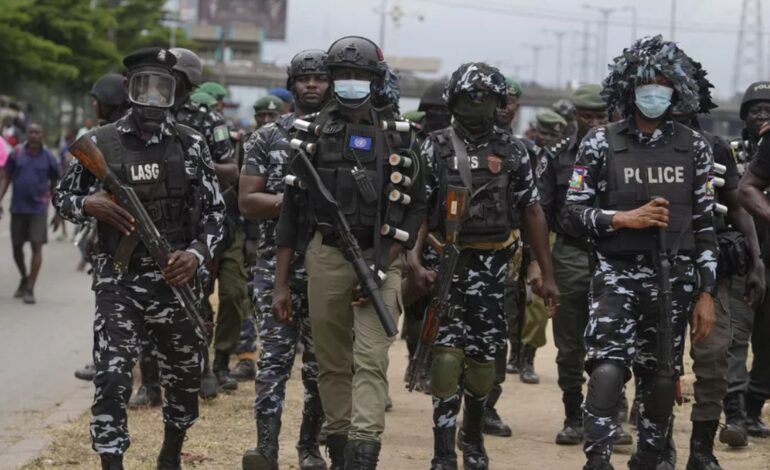

Militant fighters have killed scores of villagers and destroyed seven communities in northwestern Nigeria’s Kebbi state, police confirmed Thursday, in the latest escalation of violence plaguing the region.
Members of the Lakurawa group attacked villages in the Bui district of Arewa northern region around 1:15 p.m. Wednesday, according to Kebbi state police spokesman Bashir Usman. A security report seen by AFP said the militants killed “more than 30 villagers.”
Communities Under Attack
The assault targeted multiple villages: Mamunu, Awasaka, Tungan Tsoho, Makangara, Kanzo, Gorun Naidal, and Dan Mai Ago. Usman described residents mobilizing to resist the attackers, resulting in scores of deaths. The militants also rustled cattle during the raids.
Police, soldiers, and local militia were immediately deployed to the area, but for the affected communities, help arrived after the damage was done.
The attacks came just days after Kebbi state hosted the UNESCO-listed Argungu fishing festival, about 60 kilometers from the Arewa region—a stark reminder that cultural celebrations and daily life proceed under the shadow of constant threat.
The Lakurawa Group
The Lakurawa group has been blamed for numerous attacks on communities in northern Kebbi and neighboring Sokoto state. Operating from forest bases, its members stage deadly raids, rustle livestock, and impose illegal “taxes” on local populations.
Some researchers have linked the group to the Islamic State Sahel Province, active mainly in neighboring Niger and Mali, though others remain skeptical of that connection. What is undisputed is the group’s impact on already vulnerable communities.
Nigeria’s Cascading Crises
The Lakurawa attacks compound a security landscape already stretched thin across multiple fronts. Nigeria grapples with:
- A more than 16-year militant insurgency in the northeast
- Farmer-herder conflicts in the north central region
- Violent secessionist agitation in the southeast
- Widespread kidnappings for ransom in the northwest
Each crisis demands attention, resources, and military capacity—but the government has finite supplies of all three.
International Dimensions
The violence has drawn international attention and response. The Nigerian government said Christmas Day airstrikes by US forces in Sokoto targeted Lakurawa members and “bandit” gangs. Nigeria is now looking to the United States for additional technical and training support for its troops. The US Africa Command has indicated that 200 troops are expected to join the deployment overall.
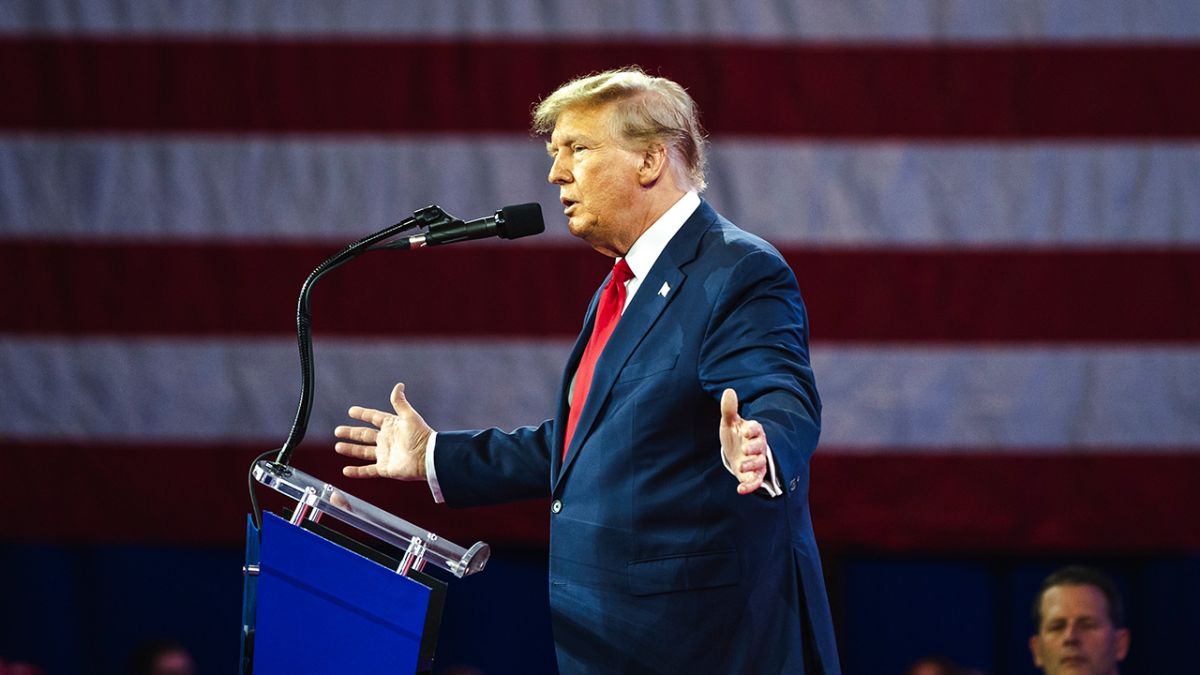
President Donald Trump has framed the violence as the “persecution” of Christians—a characterization long used by the US religious and political right. But Nigeria’s government and many independent experts emphasize that Christians and Muslims alike are victims of the country’s security crises.
A Nation Numbed
For Nigerians following the news, Wednesday’s attack is both shocking and familiar. Shocking in its brutality—scores killed, seven villages destroyed, families displaced. Familiar in its pattern: militants emerging from forests, communities resisting, deaths mounting, authorities responding after the fact.
The people of Mamunu, Awasaka, and the other attacked villages are now counted among the victims. Their names join a list that grows longer each year. For the rest of Nigeria, the attacks are a reminder that despite military deployments, despite international support, despite everything, the violence continues.
And for the families burying their dead, explanations matter less than absence. The Lakurawa group may have motives and connections debated by analysts. What villagers know is that their neighbors are gone, their homes are destroyed, and their sense of safety—already fragile—has been shattered once again.
Also Read:
France and Algeria Agree to Resume Security Cooperation, Says Minister