




US Steps In as Moscow and Kyiv Meet for Peace Discussions


Russian and Ukrainian negotiators convened in Geneva on Tuesday for fresh talks brokered by the United States, seeking a path to end the four-year war that has devastated Ukraine and reshaped European security. The meetings come against a backdrop of continued hostilities, with both sides launching long-range strikes hours before negotiators sat down.
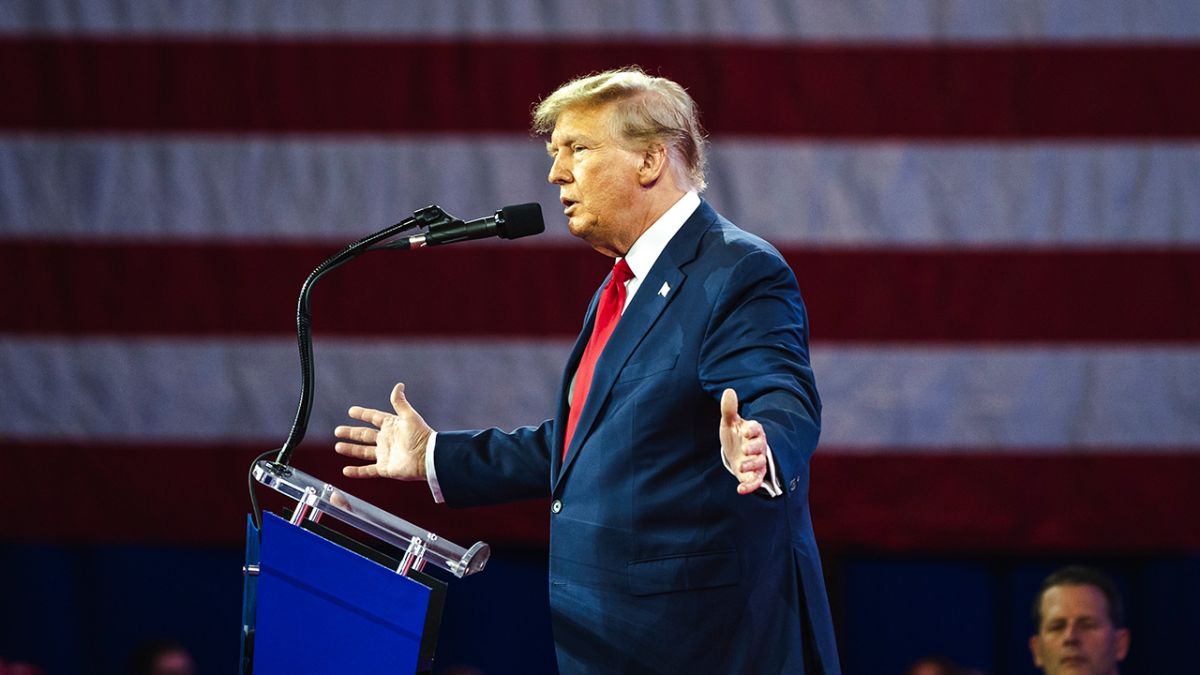
President Donald Trump, who has positioned himself as a potential peacemaker in the conflict, struck a firm tone ahead of the discussions. “Ukraine better come to the table, fast,” he told reporters.
Fighting Undermines Diplomacy
Before the talks began, Ukraine accused Russia of undermining peace efforts with a massive aerial assault. Foreign Minister Andriy Sybiga reported that Moscow launched 29 missiles and 396 drones, killing one person, wounding others, and cutting power to tens of thousands of civilians.
“The extent to which Russia disregards peace efforts: a massive missile and drone strike against Ukraine right before the next round of talks in Geneva,” Sybiga wrote on social media. He renewed Ukraine’s call for allies to increase pressure on Moscow through additional sanctions.
Russia, for its part, claimed to have repelled more than 150 Ukrainian drones, primarily over southern regions and the Crimean peninsula, which it annexed in 2014. Officials reported that an oil depot in southern Russia caught fire following the attacks.
Behind Closed Doors
The talks, which the Kremlin confirmed would be held without media presence, follow two earlier rounds in Abu Dhabi earlier this year. Ukrainian President Volodymyr Zelensky announced that his delegation had arrived in Geneva on Monday, while a Russian source confirmed their team touched down in the early hours of Tuesday.
The Kremlin has reinstated Vladimir Medinsky, a nationalist hawk and former culture minister, as its lead negotiator. “This time, we plan to discuss a broader set of issues, focusing on key ones related to the territories and other demands,” a spokesperson for President Vladimir Putin told reporters.
Kyiv’s team is led by national security chief Rustem Umerov. The United States is represented by Special Envoy Steve Witkoff and Trump’s son-in-law Jared Kushner, signaling the high priority the administration places on these discussions.
The Stakes
The war has become Europe’s deadliest conflict since World War II. Hundreds of thousands have been killed. Millions have fled their homes. Much of eastern and southern Ukraine lies scarred by years of fighting.
Russia currently occupies approximately one-fifth of Ukrainian territory, including Crimea and areas seized by Moscow-backed separatists before the 2022 invasion. The Kremlin demands that Ukrainian troops withdraw from heavily fortified strategic territory as part of any peace deal—a condition Kyiv rejects as politically and militarily untenable.
Ukraine instead insists on robust security guarantees from Western allies before agreeing to any proposals. The country’s forces have recently made significant battlefield gains, recapturing 201 square kilometers (78 square miles) last week, according to an AFP analysis of data from the Institute for the Study of War. Those gains leveraged disruptions in Russian forces’ communications, including limited access to Starlink.
Nuclear Complications
The Zaporizhzhia region, where Ukraine has concentrated its recent counterattacks, hosts Europe’s largest nuclear power plant—currently under Russian control. The facility represents another major sticking point in negotiations. Moscow claims the region as Russian territory, while Kyiv insists on its return.
Can Diplomacy Succeed?
Previous rounds of US-mediated talks have yielded no breakthroughs. The pattern has become familiar: discussions occur, both sides state positions, fighting continues, and negotiators return home with little to show.
But the Geneva meeting reflects a persistent reality: neither side can achieve total victory, and neither can afford indefinite war. Ukraine depends on continued Western support, which faces political headwinds in the United States and Europe. Russia bears the weight of sanctions and mounting casualties, though its economy has proven more resilient than many anticipated.
The closed-door format may allow for more candid discussions than previous public-facing negotiations. But the missile strikes that preceded the talks serve as a grim reminder of the gap between diplomatic aspirations and battlefield realities.
As negotiators sit down in Geneva, the guns continue to fire. Whether these talks produce movement or merely another chapter in a long history of failed efforts depends on factors beyond the conference room: territorial calculations, political will, and the ever-shifting fortunes of war.
Also Read:
Calls for Action Grow as Reports of Worker Exploitation Surface in Croatia