



36 Dead and Thousands Homeless After Cyclone Gezani Hits Madagascar
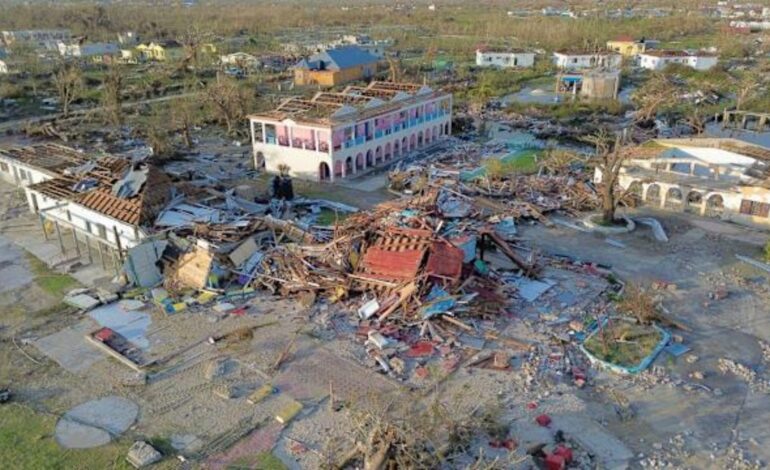

The winds came with terrifying force. When Cyclone Gezani swept ashore late Tuesday, it carried gusts exceeding 195 kilometers per hour—enough to peel roofs from concrete, flatten homes of mud and timber, and transform the bustling port city of Toamasina into a landscape of debris and despair.
By Thursday, the official toll had climbed to at least 36 dead, 374 injured, and more than 250,000 people affected across the Indian Ocean island nation. Six remain missing. The numbers, still provisional, are expected to rise as rescuers reach isolated communities.
A City Broken
Toamasina, home to more than 300,000 people and Madagascar’s principal economic gateway, bore the cyclone’s full fury. President Michael Randrianirina, surveying the damage from the air and then on foot, delivered a grim assessment: 75 percent of the city has been damaged or destroyed.
Drone footage released by the National Office for Risk and Disaster Management revealed the scale of devastation. Nearly every building sustained significant damage. Roofs are gone. Walls have collapsed. Many structures were flattened entirely. Trees that once lined the city’s streets now lie uprooted, blocking roads and entangled in downed power lines.
Residents waded through knee-deep floodwater, salvaging what they could from the ruins of their homes.
The Human Toll
Authorities confirmed that 32 of the 36 deaths occurred in the Toamasina area. Most victims died when their homes collapsed around them. In a country where a significant portion of the population lives in dwellings ill-equipped to withstand cyclonic winds, structural failure is the deadliest consequence of such storms.
Nearly 18,000 houses have been destroyed, with another 37,000 damaged. For the thousands now homeless, the immediate needs are stark: food, clean water, shelter, and medical care.
A Nation on Its Knees
President Randrianirina has declared a national disaster and issued an urgent appeal for international assistance. “We can clearly see what Toamasina needs right now,” he said following his visit. “Above all, food, basic necessities, and building materials to quickly rebuild everything that has been destroyed.”
He called on Madagascar’s citizens to support the recovery effort, but the scale of destruction exceeds what the nation can address alone. Madagascar is one of the world’s poorest countries, with limited infrastructure and sparse resources for disaster response.
A Familiar Pattern
Cyclone Gezani is the latest in a punishing series of storms that have battered Madagascar with increasing frequency. Since 2020, more than a dozen cyclones or strong tropical storms have struck the island nation. Last month alone, a cyclone hit the northwest region, killing at least 14 people.
Scientists have documented a correlation between warming ocean waters and the intensification of tropical cyclones. For Madagascar, situated directly in the path of storms that form over the warm Indian Ocean, this trend carries existential weight.
What Comes Next
The immediate priority is survival. Emergency responders are distributing aid, clearing roads, and searching for the missing. But the longer horizon is daunting. Rebuilding thousands of homes, restoring power and water infrastructure, and reviving economic activity in a shattered port city will require sustained effort and significant resources.
The international community has been slow to respond to previous disasters in Madagascar, a pattern aid organizations hope will not repeat. For the families wading through floodwaters in Toamasina, picking through the wreckage of their homes, the question is not abstract. It is immediate.
“We can clearly see what Toamasina needs,” the president said. The world is now being asked to see it, too.
Also Read:
Bangladesh Elections 2026: BNP Announces Win, What Happens Next?
Travel Trends 2026: Canadians Look for Magic Outside the United States