



Senior Russian Diplomat Says World May Enter Era With No Nuclear Restrictions
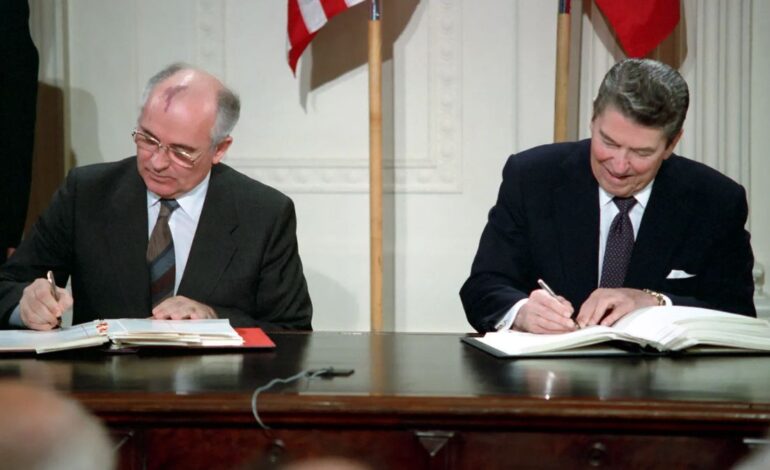

A sobering new chapter in global security may begin this week. The last major nuclear arms control treaty between the United States and Russia, New START, is set to expire on Thursday. Barring an eleventh-hour diplomatic breakthrough, the world’s two largest nuclear powers will, for the first time in over half a century, face no formal constraints on the size of their strategic arsenals.
“This is a new moment, a new reality—we are ready for it,” declared Russian Deputy Foreign Minister Sergei Ryabkov, Moscow’s top arms control official. His statement, delivered from Beijing during strategic consultations, underscores the grim acceptance settling in on both sides.
The End of an Era
Signed in 2010, New START capped the number of deployed strategic warheads at 1,550 for each nation and established a vital system of verification and inspections. Its potential demise is not an isolated event but the culmination of a gradual unraveling. The intricate web of treaties painstakingly built since the Cuban Missile Crisis has frayed under the weight of geopolitical confrontation over Ukraine and strategic competition involving China.
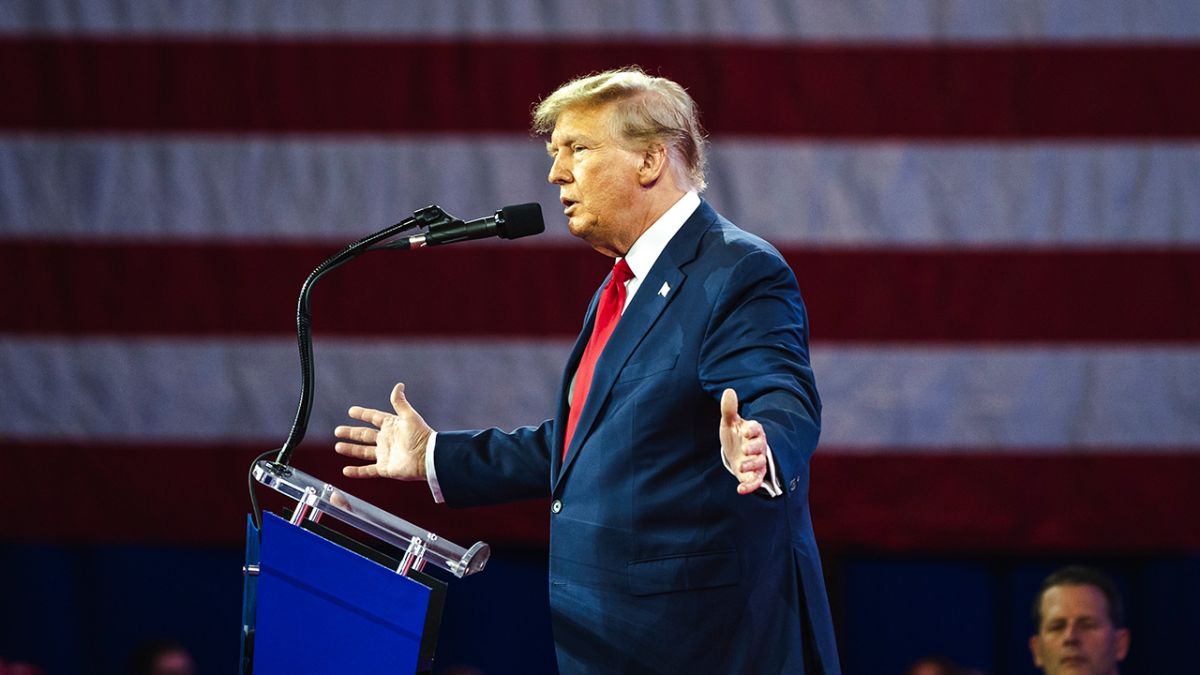
The U.S., under President Trump, has indicated it will let the treaty lapse, not formally responding to a Russian proposal for a one-year extension of the limits. “The lack of an answer is also an answer,” Ryabkov noted pointedly.
Consequences Beyond Warhead Counts
The expiration’s impact extends far beyond the numerical caps. As former U.S. President Barack Obama warned, it would “pointlessly wipe out decades of diplomacy.” Arms control experts stress that the loss of the treaty would:
- Erode Confidence: The treaty provided a predictable framework, reducing miscalculation. Its absence fuels mutual suspicion.
- Blind Inspectors: The rigorous on-site verification regime would vanish, leaving both nations in the dark about each other’s strategic developments.
- Ignite an Arms Race: The removal of all limits removes a critical brake, potentially spurring a new, costly, and dangerous competition to build and deploy more advanced weapons.
Former Russian President Dmitry Medvedev suggested such a failure would accelerate the symbolic “Doomsday Clock.”
A Wider, More Unstable World
The crisis also highlights a broader strategic deadlock. The U.S. has urged China, now the world’s third-largest nuclear power, to join arms control talks—a move Beijing has consistently rejected. Ryabkov stated Russia respects China’s position, signaling a united front that complicates future multilateral diplomacy.
Furthermore, Ryabkov issued a stark warning: if the U.S. deploys missile defense systems in Greenland, Russia would be compelled to take military countermeasures. This illustrates how the collapse of the nuclear treaty could spill over into other areas of military posturing, increasing instability.
As the final hours tick down, the international community watches anxiously. The expiration of New START represents more than the end of a single agreement. It is the closing of an era defined by the principle that even rivals can agree on rules to manage the ultimate weapons. The new reality dawning is one of profound uncertainty, where restraint becomes a matter of unilateral choice rather than mutual obligation—a far more volatile and dangerous world for all.
Also Read:
US Envoy Witkoff Set to Meet Israeli Leaders During Israel Visit
British Killer Known as Suffolk Strangler Pleads Guilty in Cold Case