



Tragedy Strikes Eastern Congo as Coltan Mine Collapse Claims Over 200 Lives
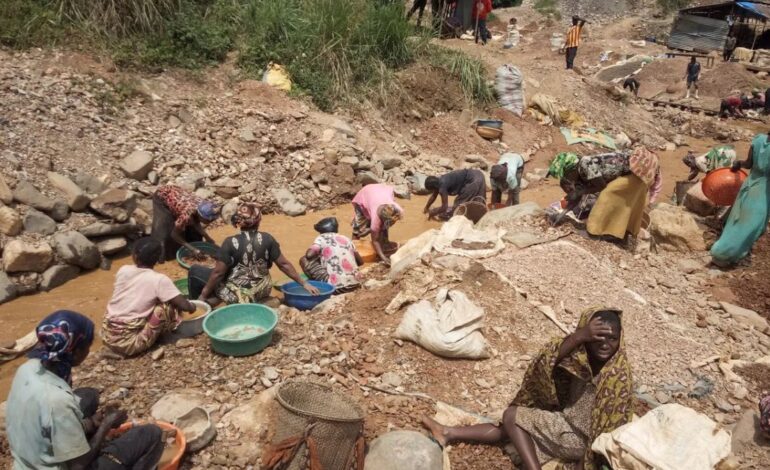

Beneath the surface of our digital world lies a profound and often hidden human cost. This week, that truth was delivered with devastating force in the eastern Democratic Republic of Congo. A catastrophic landslide at the Rubaya coltan mine has claimed the lives of more than 200 people, according to local officials. The victims were not just miners, but also children and market women caught in the disaster, a stark reminder of how entire communities are entwined with these perilous sites.
The collapse occurred on Wednesday, with the fragile, rain-soaked ground giving way as people worked and gathered in the area. By Friday, the scale of the tragedy was still coming into focus, with one adviser putting the confirmed death toll at 227. About twenty injured survivors are being treated in local health facilities, their lives forever altered.
The Mine That Powers Our World
The Rubaya mine is no small operation. It produces an estimated 15 percent of the world’s coltan. This unassuming, black mineral is processed into tantalum, a heat-resistant metal critical to the manufacturing of mobile phones, computers, aerospace components, and gas turbines. In essence, the labor extracted from this contested earth directly fuels the global technology and energy industries.
Digging for Dollars in a War Zone
The context of this tragedy is as crucial as the casualty count. The mine has been under the control of the AFC/M23 rebel group since 2024. These heavily-armed fighters, who have captured vast mineral-rich territories in eastern Congo, reportedly plunder sites like Rubaya to fund their insurgency—an allegation backed by the United Nations and fiercely denied by neighboring Rwanda, their alleged backer.
The miners themselves are often local civilians, digging manually for mere dollars a day. They work in informal, unregulated pits, far removed from the sterile supply chains of multinational corporations. Safety is an unaffordable luxury; the rainy season turns the earth into a treacherous, unstable trap.
A Cycle of Exploitation and Grief
This disaster is not an isolated accident. It is the horrific symptom of a deeper sickness: a cycle where conflict fuels exploitation, and exploitation bankrolls further conflict, with local lives being the primary currency. The rebels profit, the global market receives its essential materials, and Congolese communities bear the immeasurable risk.
When we hold a sleek smartphone or work on a powerful laptop, the tragedy in Rubaya feels a world away. Yet, it is intimately connected. This collapse is a brutal alarm, calling for a reckoning with the human foundation of our connected world. It demands questions about supply chain transparency, corporate responsibility, and the international community’s role in a region where mineral wealth has so often been a curse rather than a blessing.
As the rain continues to fall on eastern Congo, the search for bodies and answers continues. For the families of over 200 souls, the ground has given way in more ways than one. Their loss is a silent, screaming footnote in the story of modern technology—a story that desperately needs rewriting.
Also Read:
Americans May Soon Visit Venezuela as Flights Set to Resume, Says Trump
Extreme Winter Conditions Hit Russia with Snowfall Not Seen in 200 Years