


Starmer Balances UK–China Ties as Trump Issues Fresh Warning

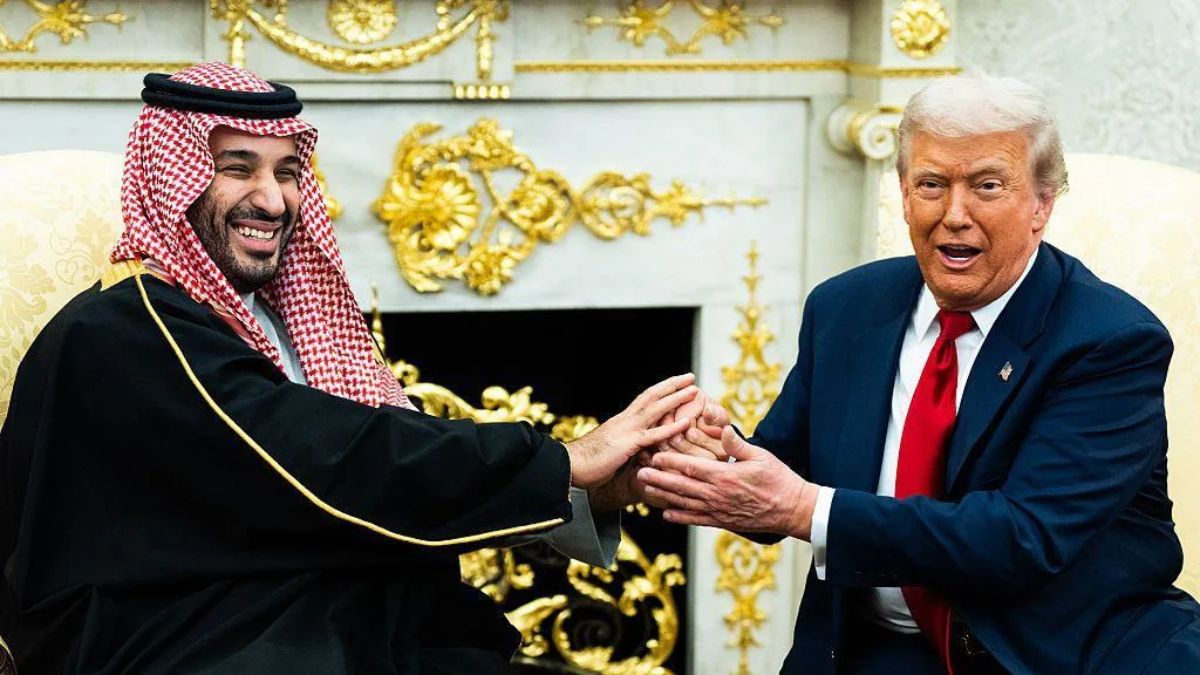
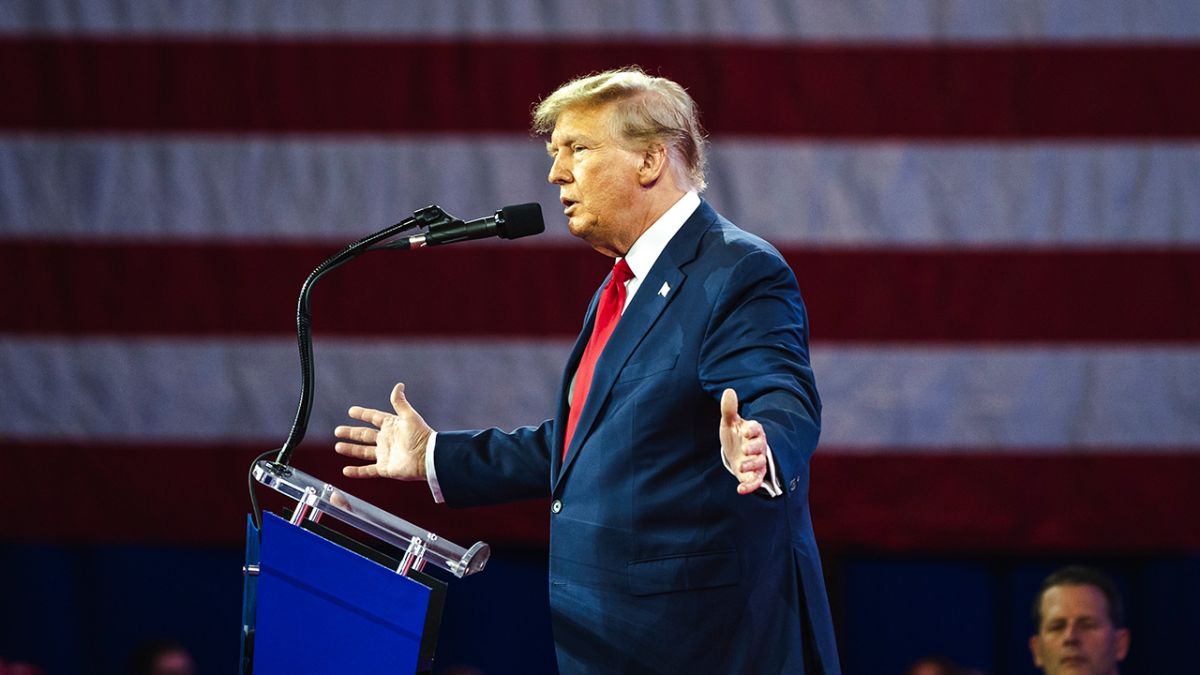
British Prime Minister Keir Starmer’s visit to China this week marked a significant shift in foreign policy, becoming the first UK leader to step foot in Beijing in eight years. His mission: to forge closer economic ties with the world’s second-largest economy. But the trip was underscored by a stark geopolitical tension, framed by a public warning from a critical ally—US President Donald Trump.
This delicate diplomatic dance reveals the complex balancing act facing Western leaders in an increasingly multipolar world.
The Economic Imperative
Starmer’s focus was unequivocally pragmatic. With the UK economy as his primary concern, he landed in China seeking tangible wins. The results were a series of agreements aimed at thawing a relationship that had frozen over issues like Hong Kong. Key outcomes included:
- A pledge for visa-free travel for British citizens (pending final Chinese approval).
- A halving of Chinese tariffs on British whisky, a major export.
- The reported lifting of Chinese sanctions on UK lawmakers.
- Commercial deals and market access wins worth billions of pounds, highlighted by a massive AstraZeneca investment and plans from Chinese retailer Pop Mart.
For Starmer, the message was clear: “The UK has got a huge amount to offer.” In a world of economic headwinds, engaging with China is not a luxury but, in his view, a necessity. “I don’t think it is wise for the UK to stick its head in the sand,” he asserted, brushing aside criticism.
The Atlantic Shadow
However, the specter of the Atlantic alliance loomed large. President Trump’s characterization of the UK’s outreach as “very dangerous” laid bare the conflicting pressures. The US, under Trump, is pursuing a doctrine of strategic decoupling and heightened rivalry with China. Starmer’s trip, following similar visits by French, Canadian, and Finnish leaders, signals a European impulse to hedge against American volatility and protect national economic interests.
Starmer’s response was one of careful diplomacy, noting his team had discussed the visit with Washington and pointing out Trump’s own planned trip to China. It was a move to acknowledge the alliance while asserting Britain’s independent agency.
The Tightrope of Values and Trade
The visit was not without its controversies, deftly sidestepped. The announced lifting of sanctions on MPs originally targeted for criticizing China’s treatment of Uyghurs was framed as a diplomatic breakthrough rather than a moral concession. The focus remained steadfastly on commerce, supply chain cooperation, and “win-win” outcomes—echoing Beijing’s preferred language.
This highlights the core challenge: reconciling deep economic interdependence with profound disagreements on human rights and security. Starmer’s approach appears to be one of compartmentalization, seeking progress on trade while managing—not resolving—fundamental differences.
A New Chapter or a Cautious Rebalance?
Starmer’s journey from Beijing to Shanghai, engaging with students and business leaders, painted a picture of a relationship being cautiously reset. The agreements are symbolic of a thaw, but their long-term impact depends on implementation.
The Prime Minister’s balancing act is a microcosm of a broader Western dilemma. How does a nation maintain a foundational security alliance with the US while pursuing essential economic engagement with China? Starmer’s trip suggests the answer lies in a pragmatic, interest-driven diplomacy that walks a fine line—a strategy that acknowledges the complexities of a world where economic and strategic landscapes are no longer neatly aligned.
As Starmer moves on to Japan, another key ally, the message from his China visit is clear: Britain is back at the table in Beijing, but the table is now surrounded by more crowded and complicated geopolitics than ever before.
Also Read:
Americans May Soon Visit Venezuela as Flights Set to Resume, Says Trump
Extreme Winter Conditions Hit Russia with Snowfall Not Seen in 200 Years